Stadium Tour
Barcelona, Spain
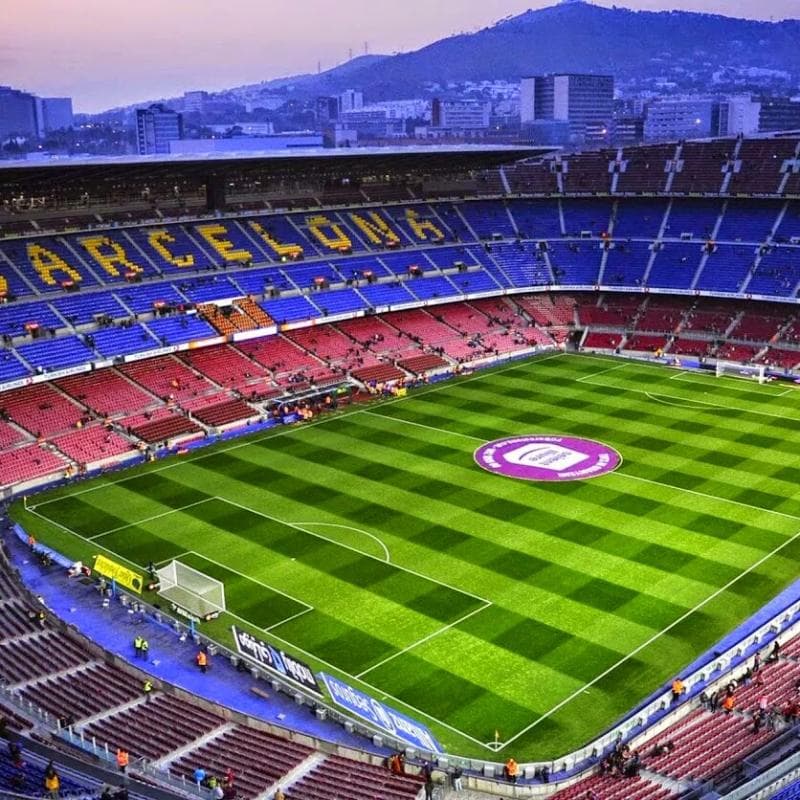
Explore the Camp Nou Stadium Tour, an immersive journey into FC Barcelona's history and cultural significance in Barcelona, Spain.
Overview
The Stadium Tour at Camp Nou, located in Barcelona, Spain, offers a profound journey into the heart of FC Barcelona, one of the world's most revered football clubs. While the iconic Camp Nou undergoes extensive renovations as part of the Espai Barça project, visitors can currently experience the club's rich legacy through the immersive Barça Immersive Tour. This unique experience provides an in-depth look at the club's history and offers a privileged viewpoint of the ongoing transformation of the future Spotify Camp Nou.
Known historically as the largest stadium in Europe with a capacity of nearly 100,000 spectators before renovations, Camp Nou has long been more than just a football ground; it is a cultural landmark. The tour, even in its current immersive format, ensures that fans and curious travelers alike can connect with the spirit of Barça, understanding what makes it 'Més que un club' — 'More than a club'.
History & Cultural Background
The story of Camp Nou began on September 24, 1957, when it was officially inaugurated, replacing the club's smaller Les Corts stadium. The construction of a new, larger stadium was spurred by the immense popularity of Hungarian star Ladislao Kubala, whose magnetic presence attracted crowds that the old ground could no longer accommodate.
Designed by architects Francesc Mitjans Miró, Josep Soteras Mauri, and Lorenzo García Barbón, the stadium was initially going to be named 'Estadi del FC Barcelona.' However, it quickly earned the popular nickname 'Camp Nou,' meaning 'New Field' in Catalan, a name that club members officially adopted in the 2000-2001 season.
Beyond football, Camp Nou holds deep cultural significance for Catalonia. During the Franco dictatorship, when expressions of Catalan identity were suppressed, the stadium became one of the few public spaces where people could freely voice their collective sentiments and cultural pride. It served as a powerful symbol of resistance and unity, embodying the spirit of a nation through its beloved football club.
What Makes It Special
The Camp Nou Stadium Tour, now presented as the Barça Immersive Tour during renovations, distinguishes itself by offering unparalleled access to the soul of FC Barcelona. While the traditional walk through the players' tunnel or onto the pitch is temporarily unavailable, the current experience meticulously preserves the emotional connection visitors seek.
The centerpiece is the FC Barcelona Museum, consistently ranked as the second-most visited museum in Catalonia, attracting over 1.2 million visitors annually. Within its expanded 2,400 square meter space, the museum showcases an incredible array of trophies—from multiple UEFA Champions League and La Liga titles to the individual accolades of legends like Lionel Messi, including his Ballon d'Or awards and Golden Boots. Interactive displays and multimedia presentations bring the club's storied history to life, allowing visitors to relive iconic moments and understand the journey from its founding in 1899 to its present-day global stature.
Furthermore, the 'Spotify Camp Nou Live' immersive room offers a spectacular 360-degree audiovisual experience, placing visitors at the heart of the stadium's passionate atmosphere. Another unique aspect is the dedicated viewpoint, offering a unique perspective on the construction site and the future vision of the modernized stadium, which is projected to have a seating capacity of 105,000 upon completion in June 2026.
Stories, Fun Facts & Local Details
Camp Nou is rich with anecdotes and cultural markers. One of the most endearing features, still talked about even during renovations, is the small chapel located next to the players' tunnel, which was blessed by Pope John Paul II during his visit in 1982. This offers a glimpse into the superstitions and traditions of many footballers.
The stadium's inaugural goal on September 24, 1957, was scored by Eulogio Martínez, marking the beginning of countless unforgettable moments within its walls. Beyond football, Camp Nou has hosted significant non-sporting events, including mass celebrated by Pope John Paul II in 1982 and concerts by global music icons such as U2, Michael Jackson, and Bruce Springsteen, solidifying its role as a versatile cultural venue in Barcelona.
The club's motto, 'Més que un club,' truly encapsulates its identity. It represents not just sporting excellence but a profound commitment to Catalan culture and democratic values, especially during historical periods of political repression. The stadium became a crucial platform for expressing identity, showcasing how deeply intertwined FC Barcelona is with the soul of Catalonia.
Visitor Perspective
Visiting the Barça Immersive Tour provides an insightful and emotionally resonant experience. Even without stepping onto the hallowed turf, the journey through the club's extensive museum and the immersive multimedia exhibits evokes a powerful sense of connection to FC Barcelona's legacy. Travelers often find themselves moved by the sheer volume of history and success documented, from the early days to the dominance of recent eras.
The opportunity to see the trophies up close and learn about the legendary players who graced the Camp Nou pitch fosters a deeper appreciation for the club's achievements. The viewpoint over the ongoing construction offers a glimpse into the future, creating anticipation for the next chapter of this iconic stadium. It's a place where football enthusiasts can delve into the sport's rich tapestry and where even those less familiar with football can grasp the cultural significance and passionate spirit that defines FC Barcelona and its monumental home. The current immersive tour, estimated to take around an hour, is a testament to the club's enduring appeal, continuing to draw visitors from across the globe.
Coordinates: 2.1204, 41.3752
View on Google Maps💬 How Travelers Describe This Place
Based on community votes
Unique
946Beautiful
439Interesting
92Must See
66Photogenic
66
Traveler Stories
Discover memorable experiences shared by travelers who have visited this place.
No traveler stories yet.
Be the first traveler to share what made this place memorable.

Tour
By
Spot
Discover amazing places around the world. Your journey starts here.
Explore
© 2026 TourBySpot. All rights reserved.