Camp Nou
Barcelona, Spain
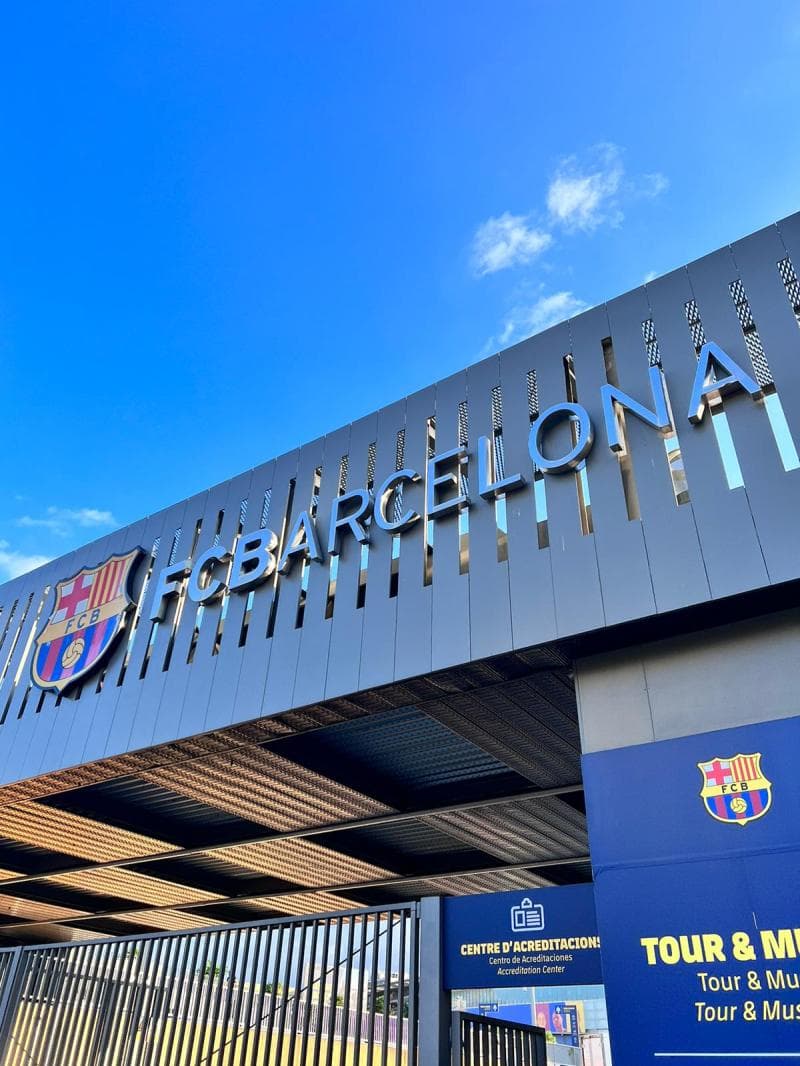
Explore Camp Nou in Barcelona, Spain – the historic home of FC Barcelona. Discover its rich history, cultural significance, and current immersive visitor experience during renovations.
Overview
Steeped in the vibrant spirit of Barcelona, Spain, Camp Nou stands as a monumental symbol of football passion and Catalan pride. As the home stadium of FC Barcelona, one of the world's most beloved football clubs, it has witnessed countless moments of sporting history and collective joy. Since its opening in 1957, Camp Nou has been the largest stadium in Spain and Europe, a colossal arena designed to house the ever-growing fanbase of 'Barça'. Currently known as Spotify Camp Nou due to a sponsorship agreement from July 2022, the stadium is undergoing a significant transformation as part of the ambitious Espai Barça renovation project. While the stadium's original capacity stood at 99,354 spectators, the ongoing modernization aims to increase it to an impressive 105,000, solidifying its position as a global footballing icon.
History & Cultural Background
The story of Camp Nou began in the mid-1950s, born out of necessity as FC Barcelona's previous home, Camp de Les Corts, could no longer accommodate its burgeoning support. The construction, initiated in 1954 and completed in 1957, was a monumental undertaking, costing 288 million pesetas and leaving the club in debt for several years. Architects Francesc Mitjans Miró, Josep Soteras Mauri, and Lorenzo García-Barbón masterfully designed the stadium. Its inauguration on September 24, 1957, coincided with the Feast of La Mercè, Barcelona's patron saint, a date now etched in the club's rich history.
Initially, the stadium was simply called 'Estadi del FC Barcelona', but its popular nickname, Camp Nou – meaning 'New Field' in Catalan – quickly took hold. This moniker was officially adopted in the 2000/2001 season following a vote by club members, demonstrating the deep connection between the stadium and its community. The stadium's capacity evolved over time; starting with 93,053 seats, it was expanded to 120,000 for the 1982 FIFA World Cup, a testament to its grandeur and importance on the world stage. Throughout its history, Camp Nou has not just been a venue for football; it is an enduring symbol of Catalan identity, embodying the club's motto, 'Més que un club' – 'More than a club'.
What Makes It Special
What truly sets Camp Nou apart is its sheer scale and the indelible mark it has left on sporting and cultural history. It is not only the largest stadium in Europe but also ranks among the largest football stadiums globally. Its architectural design, featuring a bowl-shaped structure and a playing field set below street level, ensures optimal visibility and an intimate atmosphere, drawing spectators closer to the heart of the action.
Beyond its impressive structure, Camp Nou has hosted an extraordinary array of prestigious events. It has been the battleground for two European Cup/Champions League finals in 1989 and 1999, the grand stage for matches during the 1982 FIFA World Cup, and the emotional climax of the football tournament at the 1992 Summer Olympics. These events, combined with countless thrilling FC Barcelona victories, have cemented its status as a sacred ground for football enthusiasts worldwide.
Stories, Fun Facts & Local Details
Camp Nou is more than just a stadium; it is a repository of countless stories and fascinating details. It proudly houses the FC Barcelona Museum, which stands as the second most visited museum in Catalonia, attracting over 1.2 million visitors annually. Within its walls, you can find a dedicated Espai Leo Messi, celebrating the legend's unparalleled career. A lesser-known detail is the small chapel located next to the players' tunnel, offering a quiet space for pre-match reflection, a testament to the blend of tradition and modern sport.
The stadium's versatility extends beyond football. It has echoed with the voices of global music icons, hosting concerts by legends like U2 and the Three Tenors – Josep Carreras, Plácido Domingo, and Luciano Pavarotti. In 1986, Camp Nou set a record attendance of 120,000 spectators for a match against Juventus, a pulsating atmosphere that remains legendary. The stadium has also embraced other sports, notably hosting rugby matches, including a Top 14 final that drew a record crowd for a domestic rugby game, and significant women's football matches with record-breaking attendance.
Visitor Perspective
As Camp Nou undergoes its monumental renovation project, the traditional stadium experience is temporarily reimagined. The full stadium, including pitch-side access, dressing rooms, and the player tunnel, is currently closed to visitors, with final completion expected around 2026 or 2027. During this transformative period, visitors can immerse themselves in the 'Barça Immersive Tour', located in a specially adapted space. This experience features interactive exhibits detailing the club's storied history, its impressive trophy collection, and a captivating 360-degree audiovisual show that recreates the electrifying atmosphere of a match day. A unique highlight of the current tour is a dedicated viewpoint overlooking the vast construction site, offering a tangible glimpse into the future of this iconic landmark. While FC Barcelona's home matches are temporarily held at the Estadi Olímpic Lluís Companys, the immersive museum still provides a profound connection to the club's legacy. The stadium is easily accessible via Barcelona's metro system, with several stations nearby connecting visitors from across the city.
Coordinates: 2.1204, 41.3752
View on Google Maps💬 How Travelers Describe This Place
Based on community votes
Unique
996Photogenic
673Beautiful
585Interesting
143Must See
69
Traveler Stories
Discover memorable experiences shared by travelers who have visited this place.
No traveler stories yet.
Be the first traveler to share what made this place memorable.
Things to see at Camp Nou



Tour
By
Spot
Discover amazing places around the world. Your journey starts here.
Explore
© 2026 TourBySpot. All rights reserved.