St. Michael’s Church
Hamburg, Germany
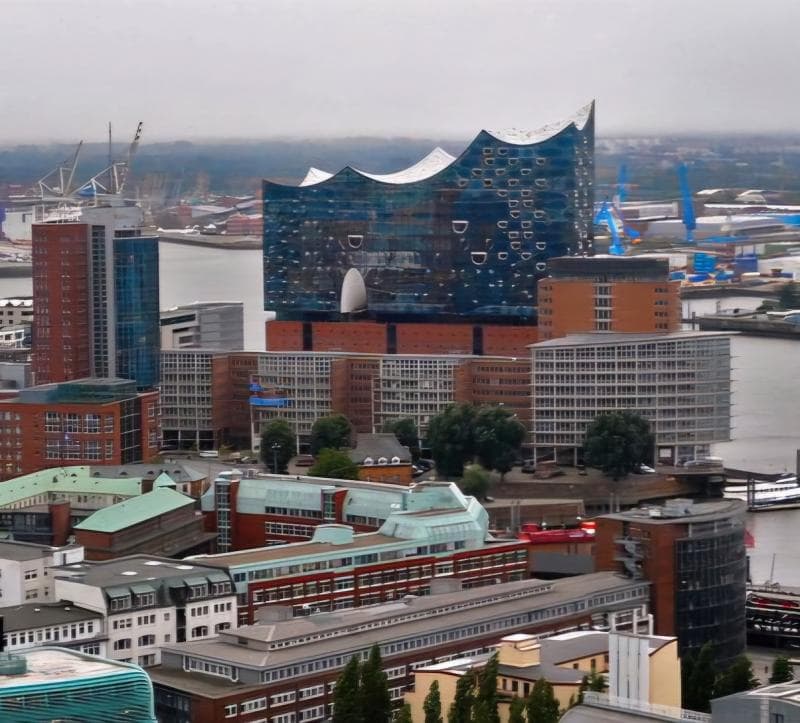
Explore St. Michael's Church, Hamburg's iconic 'Michel'. Discover its Baroque architecture, panoramic views, rich history, and cultural significance in Germany.
Overview
St. Michael's Church, affectionately known as the 'Michel,' stands as an enduring symbol and architectural marvel in Hamburg, Germany. This magnificent Baroque Lutheran church is one of the city's five main churches and is widely considered one of the finest Hanseatic Protestant Baroque churches in Northern Germany. Its towering copper-covered spire, reaching 132 meters, prominently marks Hamburg's skyline and has historically served as a vital navigation aid for ships entering the Elbe River.
Unlike many other churches in the region converted to Protestantism, St. Michael's was purposefully built as a Protestant place of worship, reflecting a unique aspect of its heritage. Inside, the Michel offers a breathtaking display of white and gold decor, housing a vast nave capable of seating 2,500 people, making it the largest church in Hamburg by capacity.
History & Cultural Background
The history of St. Michael's Church is a testament to resilience, having been built three times on the same site due to devastating events. The first church, constructed between 1647 and 1669, was tragically destroyed by a lightning strike in 1750. A second church began construction in 1751, but met a similar fate when it was consumed by fire in 1906 during restoration work. Undeterred, the people of Hamburg embarked on building the current structure, which was inaugurated in 1912. Even this iteration faced significant damage during the bombings of World War II but was meticulously repaired and reopened in 1952, with ongoing renovations continuing since 1983.
This enduring spirit has woven St. Michael's deeply into the cultural fabric of Hamburg. For centuries, its distinctive tower was a beacon of hope and a familiar sight for seafarers returning to port, a powerful symbol of home.
What Makes It Special
Beyond its striking exterior, the Michel boasts numerous features that set it apart. Ascending to the observation deck, located at a height of 106 meters, rewards visitors with unparalleled panoramic views of the sprawling city, its bustling port, the historic Speicherstadt, and the modern HafenCity. Reaching this vantage point is an experience in itself, with the option to climb 452 steps or take a convenient elevator.
The church is home to Germany's largest church tower clock, featuring four impressive faces, each measuring 8 meters in diameter, with minute hands stretching nearly 5 meters long. Inside, the grandeur continues with a 20-meter-high main altar crafted from marble in 1910, depicting pivotal scenes from the life of Jesus Christ. The white marble baptismal font, dating back to 1763 and shaped like a seashell, is supported by three angelic figures, adding a touch of delicate artistry. The Michel is also renowned for its rich musical heritage, housing five organs, including a massive Steinmeyer organ with 85 registers and 6,674 pipes.
Stories, Fun Facts & Local Details
The 'Michel' is more than just a building; it is a repository of stories. Many notable figures have connections here, including the celebrated composer Johannes Brahms, who was baptized and confirmed within these walls. The church's crypt serves as the final resting place for over 2,400 individuals, including another renowned composer, Carl Philipp Emanuel Bach. Interestingly, the crypt also served as a shelter for Hamburg's citizens during World War II bombings.
A charming daily tradition known as the 'Türmer Choräle' sees a tower warden play hymns towards all four cardinal points at specific times, a tradition spanning over 300 years. The large bronze statue above the main entrance, depicting Archangel Michael triumphing over the devil, offers a powerful visual representation of the church's dedication and namesake.
Visitor Perspective
Visiting St. Michael's Church offers a multifaceted experience. Travelers can ascend the iconic tower to capture stunning photographs of Hamburg from above, a truly memorable vista. For those seeking cultural depth, the crypt features an exhibition detailing the church's tumultuous building history and a 30-minute film on Hamburg's 1,000-year evolution.
A visit during midday often allows guests to enjoy a 15- to 20-minute organ recital, showcasing the church's impressive instruments and filling the Baroque interior with beautiful music. The church's central location near the port and other major attractions makes it an accessible and integral part of any Hamburg itinerary. It is a place for quiet reflection, appreciation of history, and marveling at architectural splendor, truly embodying the spirit of Hamburg itself.
Coordinates: 9.978889, 53.548333
View on Google Maps💬 How Travelers Describe This Place
Based on community votes
Photogenic
869Beautiful
445Unique
416Must See
141Interesting
33
Traveler Stories
Discover memorable experiences shared by travelers who have visited this place.
No traveler stories yet.
Be the first traveler to share what made this place memorable.
Things to see at St. Michael’s Church



Tour
By
Spot
Discover amazing places around the world. Your journey starts here.
Explore
© 2026 TourBySpot. All rights reserved.