St. John Fortress
Dubrovnik, Croatia
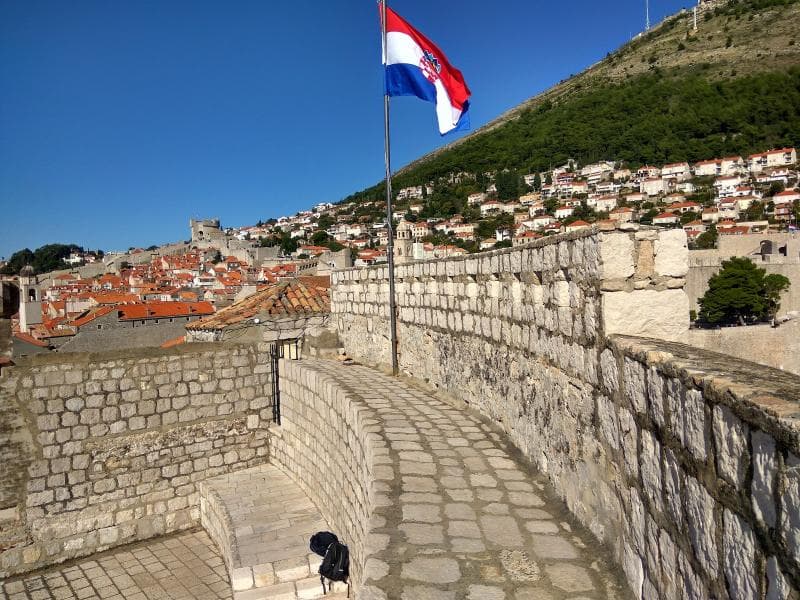
Explore St. John Fortress in Dubrovnik, Croatia. Discover its history, maritime museum, and aquarium within the ancient city walls.
Overview
Perched majestically on the southeastern edge of Dubrovnik's Old City Port, St. John Fortress, often affectionately known as Mulo Tower, stands as a testament to centuries of strategic defense and maritime heritage. This monumental structure forms a crucial part of the famed Dubrovnik City Walls, guarding the vital entrance to the city's harbor. Today, its historic stone walls embrace two captivating attractions: the Dubrovnik Maritime Museum, which chronicles the city's rich seafaring past, and a delightful Aquarium, showcasing the vibrant marine life of the Adriatic Sea. Visitors to the fortress are treated not only to a journey through history but also to breathtaking panoramic views of the Old Port and the serene Lokrum Island, making it a truly unique stop within the city's ancient fortifications.
History & Cultural Background
The story of St. John Fortress is one of continuous evolution, reflecting Dubrovnik's persistent efforts to protect its precious maritime trade and independence. Its origins trace back to 1346, when construction began on the 'Dock Fort' as a primary defense for the port. Over the centuries, as warfare tactics evolved, particularly with the advent of firearms, the fortress underwent numerous upgrades and expansions. A pivotal moment in its history occurred between 1552 and 1557 under the masterful designs of architect Paskoje Miličević. During this period, the existing Dock Fort was ingeniously merged with the nearby Fort Gundulić, also sometimes referred to as the Fort of St. John, to create the formidable and unified structure we see today, officially named 'The Fortress of St John at the Dock'.
This architectural marvel was specifically designed to withstand sea attacks, featuring a distinctive rounded and inclined side facing the sea, while its internal walls towards the port remained flat and vertical. Its role was paramount in safeguarding Dubrovnik, then known as the Republic of Ragusa, ensuring its prosperity through strategic control of the harbor. The fortress was even severely damaged during a powerful earthquake in 1979 but was meticulously restored between 1982 and 1985, preserving its historical integrity for future generations.
What Makes It Special
St. John Fortress holds a special place in Dubrovnik's narrative due to its strategic significance and its fascinating transformation. It was not merely a military outpost but the guardian of the city's economic lifeblood, controlling the entry and exit of every vessel that approached the wealthy Republic. Its architectural design, a synthesis of different fortifications over centuries, tells a compelling story of adaptation and resilience. What truly sets it apart today is its dual identity as a cultural and educational hub. Housing the Maritime Museum, it offers an immersive journey into the city's legendary seafaring prowess, diplomacy, and trade. Below, the Aquarium provides a tranquil, atmospheric encounter with the Adriatic's underwater world, nestled within the fortress's ancient vaulted chambers. This combination of robust military history and vibrant natural and cultural exhibits makes St. John Fortress a multifaceted attraction.
Stories, Fun Facts & Local Details
Delving into the past of St. John Fortress reveals captivating stories of ingenuity and determination. One of the most intriguing defensive measures involved heavy chains. In times of threat, massive chains were stretched across the harbor entrance between St. John's Fort and St. Luke's Tower on the opposite side, effectively blocking enemy ships from entering the port. These chains were robust enough to damage the keels of unwanted vessels.
The Maritime Museum within the fortress offers a rich collection of artifacts, including intricate ship models, antique navigational instruments, maritime maps, and paintings that vividly illustrate Dubrovnik's naval heritage and its success as a trading power across the Adriatic and Mediterranean. Meanwhile, the Aquarium, located on the ground floor, is not just a display of marine life but also serves as a rehabilitation center for injured sea turtles, run by the University of Dubrovnik's Institute for Marine and Coastal Research. It boasts 27 basins showcasing a diverse array of Adriatic fauna, from colorful fish to octopuses and sea horses, offering an engaging and educational experience for all ages.
Visitor Perspective
For any traveler exploring the magnificent Dubrovnik City Walls, St. John Fortress provides a compelling and rewarding stop. Its location near the Old Port makes it easily accessible, and a visit offers a welcome respite from the bustling streets, especially during peak season. Walking through the fortress allows for quiet contemplation of Dubrovnik's strategic past, while the museums provide a deeper dive into its rich history. The views from its battlements are particularly spectacular, offering unparalleled photo opportunities of the city's terracotta rooftops, the shimmering Adriatic, and the charming Old Port. While the entrance to the fortress itself is typically part of the City Walls ticket, a combined ticket is usually required for the Maritime Museum and Aquarium. It's often recommended to visit in the morning or late afternoon to enjoy cooler temperatures and smaller crowds, enhancing the tranquil and immersive experience. Don't forget that the lower levels of the fortress, particularly the Aquarium, can be quite cool, so a light jacket might be a thoughtful addition to your packing list.
Coordinates: 18.109722, 42.643056
View on Google Maps💬 How Travelers Describe This Place
Based on community votes
Beautiful
958Interesting
728Must See
719Photogenic
481Unique
382
Traveler Stories
Discover memorable experiences shared by travelers who have visited this place.
No traveler stories yet.
Be the first traveler to share what made this place memorable.

Tour
By
Spot
Discover amazing places around the world. Your journey starts here.
Explore
© 2026 TourBySpot. All rights reserved.