Spur at 30th Street
New York, United States
Discover the Spur at 30th Street, a unique section of the High Line in New York, United States, known for its art, stunning views, and urban design.
Overview
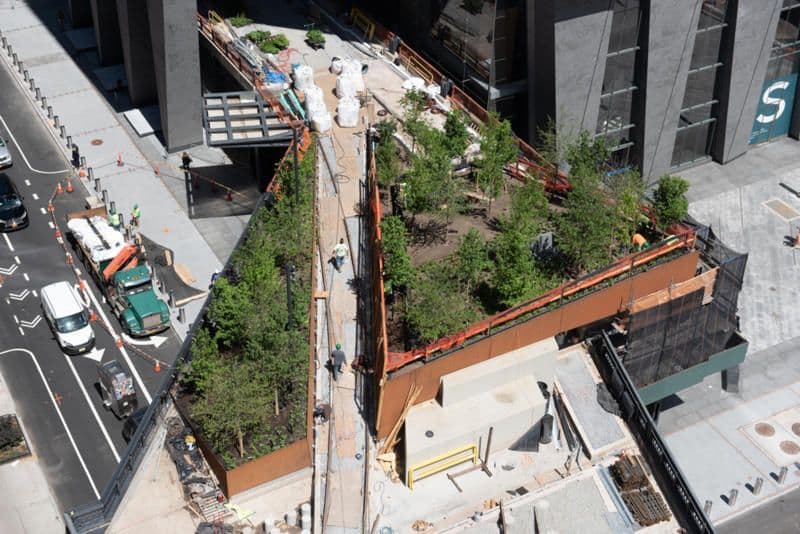
The Spur at 30th Street marks a pivotal and distinctive section of New York City's High Line, an elevated linear park built on a historic freight rail line. Located where the High Line extends eastward along West 30th Street before terminating above 10th Avenue, the Spur is a vibrant urban oasis. Opened in June 2019, it was the final section of the original rail structure to be transformed into public space. It stands out for its unique blend of expansive public areas, monumental contemporary art installations, and lush landscaping, offering visitors panoramic views of the city and a moment of elevated tranquility.
This thoughtfully designed extension provides a unique visitor experience, seamlessly integrating the industrial past with modern urban design. It features the widest space within the High Line, serving as a significant gathering place and a dedicated showcase for rotating large-scale artworks.
History & Cultural Background
The High Line's story begins in the 1930s as part of the West Side Improvement Project, an ambitious infrastructure initiative designed to lift dangerous street-level freight traffic above Manhattan's busiest industrial district. For decades, it served as a vital artery for goods transport, connecting directly to factories and warehouses. However, rail traffic declined significantly by the mid-20th century, and the last train ran on the High Line in 1980, leaving the structure abandoned and overgrown.
The High Line faced demolition threats until 1999, when local residents Joshua David and Robert Hammond founded Friends of the High Line, a non-profit organization advocating for its preservation and reuse as a public park. Their efforts, supported by the city, led to the phased opening of the High Line, beginning in 2009. The Spur at 30th Street represents the completion of this remarkable vision, transforming the last remaining section of the original rail structure into the engaging public space we see today.
What Makes It Special
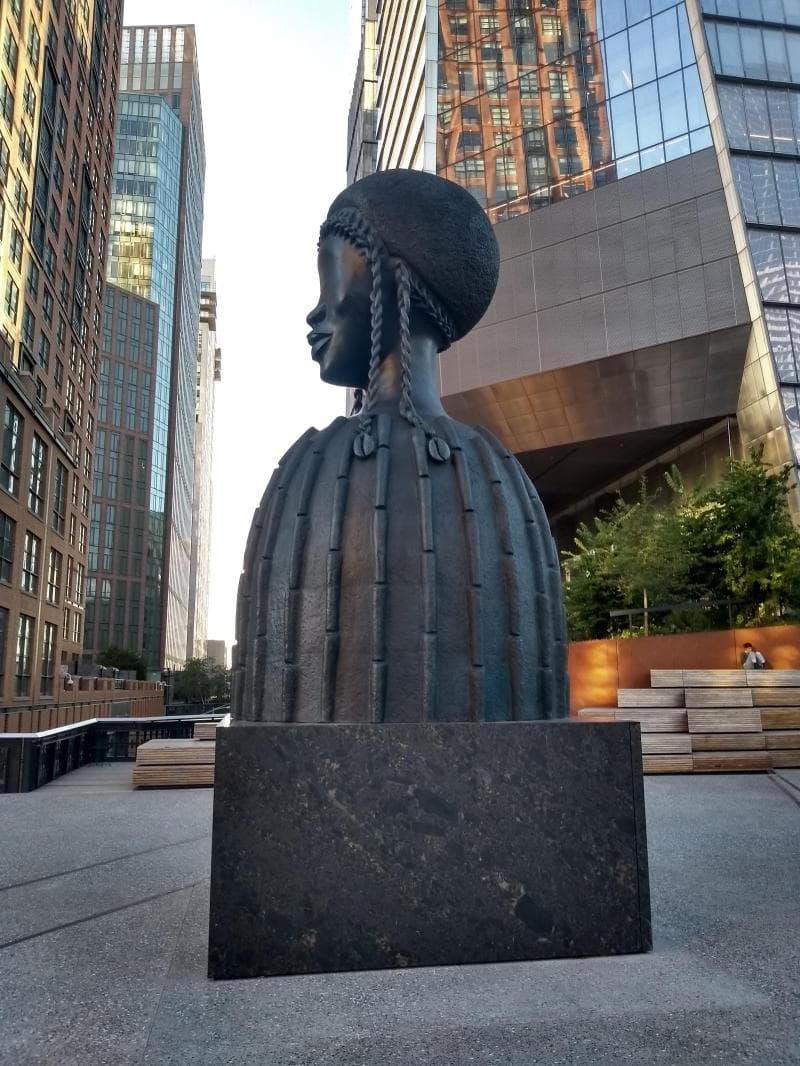
The Spur is a marvel of urban design and a highlight of the High Line experience, distinguished by several unique features. The High Line Plinth is arguably its most iconic element, serving as the first dedicated site on the High Line for monumental, rotating contemporary art commissions. These large-scale artworks become focal points, changing the character of the space throughout the year.
Another striking feature is the Coach Passage, a dramatic, cathedral-like pathway that cuts through Coach's global headquarters at 10 Hudson Yards. With ceilings reaching 60 feet high and planted balconies extending overhead, it offers unique perspectives of the surrounding architecture and the High Line itself.
Following the passage, visitors encounter two large, 'tilted' planters that rise like gentle hills, creating a lush, green threshold. These lead into an open piazza, which is the widest section of the park and retains original rail tracks, a poignant reminder of the structure's industrial past. Cascading wooden seating steps provide ample space for relaxation and enjoying panoramic views up and down 10th Avenue and 30th Street.
Stories, Fun Facts & Local Details
The landscaping on the Spur, like much of the High Line, draws inspiration from the self-seeded, wild growth that reclaimed the abandoned railway tracks. Planting designer Piet Oudolf contributed to this naturalistic aesthetic, with this section alone boasting over 8,500 perennials and numerous trees and shrubs.
Art plays a central role here, with the High Line Plinth hosting significant installations such as Simone Leigh's 'Brick House,' a 16-foot-tall bronze bust that became the inaugural artwork, and later, Pamela Rosenkranz's 'Old Tree.' These installations spark dialogue and offer a dynamic cultural layer to the park experience. The piazza's design also allows for public programming and performances, fostering a sense of community and celebration.
A recent addition, the Moynihan Connector, opened in 2023, further enhances connectivity, linking the Spur directly to Moynihan Train Hall, thereby creating a seamless pedestrian route between the park and a major transit hub.
Visitor Perspective
Visiting the Spur at 30th Street offers a multi-sensory journey. As you walk through the Coach Passage, the architectural scale creates a sense of awe, giving way to the expansive piazza where the city's energy unfolds below. The thoughtful integration of seating, diverse plantings, and public art invites pause and reflection. Whether you're admiring a monumental sculpture, gazing at the cityscape, or simply enjoying the greenery, the Spur provides an elevated escape from the urban bustle.
Accessibility is key, with elevator access available at 30th Street, making it welcoming for all visitors. It serves as an excellent vantage point to observe the evolving Hudson Yards neighborhood and connect with the High Line's broader narrative, demonstrating how visionary design can transform infrastructure into cherished public spaces.
Coordinates: -74.0004, 40.7516
View on Google Maps💬 How Travelers Describe This Place
Based on community votes
Must See
556Photogenic
540Unique
470Interesting
410Beautiful
254
Traveler Stories
Discover memorable experiences shared by travelers who have visited this place.
No traveler stories yet.
Be the first traveler to share what made this place memorable.

Tour
By
Spot
Discover amazing places around the world. Your journey starts here.
Explore
© 2026 TourBySpot. All rights reserved.