Sports Museum
Jakarta, Indonesia
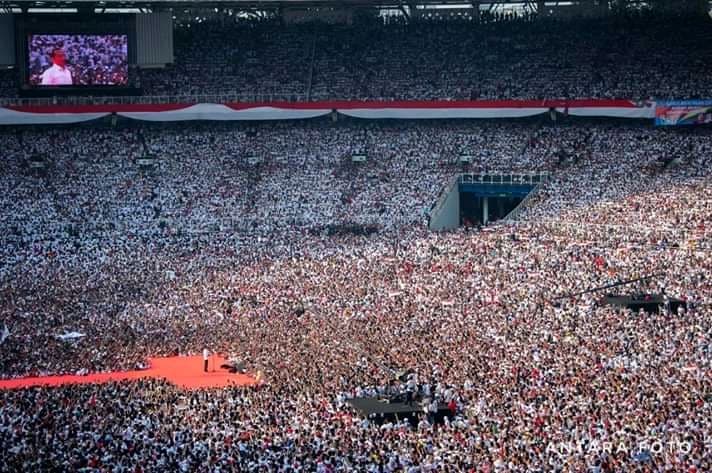
Explore the Gelora Bung Karno Sports Complex in Jakarta, Indonesia, a living monument to national sports history, and discover plans for its future interactive museum.
Overview
The Gelora Bung Karno Sports Complex (GBK) in Jakarta, Indonesia, stands as a monumental landmark in the nation's sporting narrative. While many might search for a singular 'Sports Museum' within its vast grounds, it is important to note that the prominent National Sports Museum (Museum Olahraga Nasional) that houses extensive collections of Indonesian sports history is actually located in Taman Mini Indonesia Indah (TMII), not within GBK. This National Sports Museum was even reportedly demolished in 2022 as part of TMII's revitalization efforts. However, the GBK complex itself is a living testament to Indonesia's profound sporting heritage, and there are exciting plans underway to establish an interactive museum dedicated to showcasing its own rich history. Within the complex, visitors can also find the MoJA Museum, which is a popular interactive art experience rather than a traditional sports history museum. This guide will delve into the historical essence of GBK as Indonesia's premier sports hub and explore the vision for its future dedicated museum, offering a unique perspective for curious travelers.
History & Cultural Background
Conceived by Indonesia's first President, Sukarno, the Gelora Bung Karno Sports Complex was originally built to host the 1962 Asian Games, an event that boldly announced Indonesia's presence on the global stage. Its construction, initiated in the early 1960s with significant Soviet assistance, was a colossal undertaking that resulted in a sprawling 279-hectare facility. Beyond its function as a sports venue, GBK quickly became a symbol of national pride, unity, and a witness to decades of Indonesian history. It has since hosted numerous prestigious international events, including multiple Asian Games, the Asian Para Games, and various world championships, solidifying its status as Southeast Asia's oldest and largest sports hub. The architectural grandeur, particularly the main stadium's iconic ring-shaped roof known as 'Timu Jelang,' was considered a masterpiece, designed to symbolize national unity. This rich history imbues every corner of the complex with cultural significance, reflecting the nation's aspirations and achievements through sport.
What Makes It Special
The true 'specialness' of Gelora Bung Karno, for those seeking a 'Sports Museum' experience, lies in the complex itself. It is a monumental open-air museum, where each stadium, arena, and field has witnessed countless moments of athletic glory and national celebration. Walking through GBK is to trace the footsteps of legendary athletes and experience the echoes of roaring crowds. The complex continues to be a vibrant center for sports, culture, and entertainment, constantly evolving while preserving its historical essence. While a dedicated, historical 'Sports Museum' about GBK's legacy is currently in the planning stages, the vision is for an interactive space that will digitally and physically encapsulate the spirit of Indonesian sports, making history tangible for future generations. This planned museum aims to complement existing facilities and further enhance GBK's role as an educational and inspirational destination.
Stories, Fun Facts & Local Details
GBK is steeped in stories. Imagine the fervor of the 1962 Asian Games, a defining moment for the newly independent nation, where the complex served as a grand stage for its debut. Over the decades, it has hosted not just sporting events but also national celebrations, military parades, and mass prayers, making it a truly multifaceted symbol of Indonesian identity. A fun fact is its immense size; at 279 hectares, it's not just the largest sports complex in Indonesia but also one of the oldest in Southeast Asia. Eighty-four percent of the complex is green open area, home to rare tree species and 22 types of birds, offering a serene escape amidst the bustling city. While you await the planned interactive history museum, be sure to visit the MoJA Museum located within GBK, an interactive art space where you can even enjoy roller skating, blending artistic exploration with a playful, active experience. This dynamic environment provides a unique blend of historical reverence and contemporary entertainment.
Visitor Perspective
For a curious traveler, a visit to the Gelora Bung Karno Sports Complex offers more than just a glimpse into sports history; it provides an immersive cultural journey. While you won't find a traditional 'Sports Museum' with historical artifacts in the classic sense, the sheer scale and historical weight of the complex create an impressive atmosphere. You can wander through its expansive grounds, admire the iconic architecture of the main stadium, and imagine the historic events that unfolded there. The presence of MoJA Museum adds a contemporary, interactive dimension, perfect for those seeking unique photo opportunities and fun experiences like roller skating. The future interactive museum dedicated to GBK's history promises to be a significant addition, offering deeper insights into the complex's legacy. Consider taking a facility tour if available, which can offer deeper context to its historical significance and ongoing transformation. The blend of historical grandeur, modern recreational offerings, and the anticipation of a future dedicated history museum makes GBK a compelling destination for anyone interested in Jakarta's pulse and Indonesia's vibrant sporting spirit.
Coordinates: 106.8025111, -6.2185778
View on Google Maps💬 How Travelers Describe This Place
Based on community votes
Interesting
996Must See
658Unique
585Photogenic
143Beautiful
69
Traveler Stories
Discover memorable experiences shared by travelers who have visited this place.
No traveler stories yet.
Be the first traveler to share what made this place memorable.

Tour
By
Spot
Discover amazing places around the world. Your journey starts here.
Explore
© 2026 TourBySpot. All rights reserved.