Split Zoo
Split, Croatia
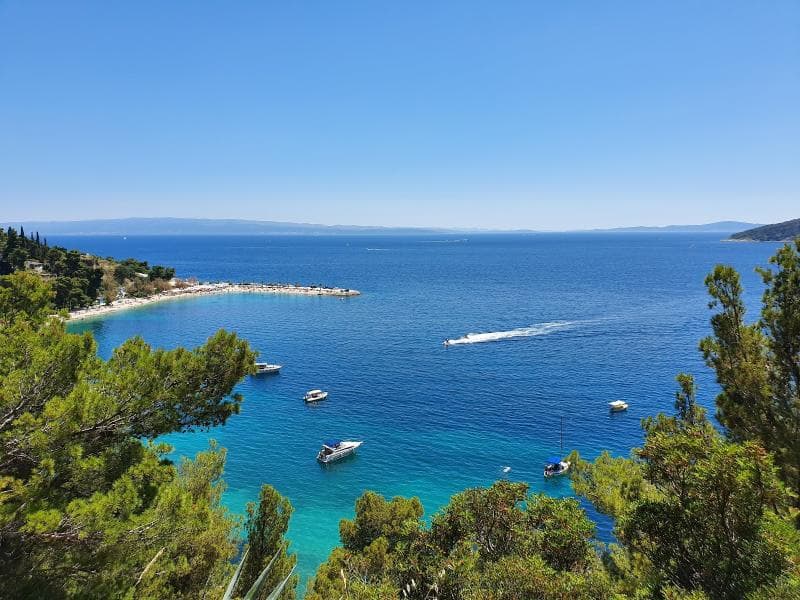
Discover Split Zoo (Natural History Museum and Zoological Garden) on Marjan Hill, Split, Croatia. Interact with charming domestic animals and enjoy panoramic views.
Overview
Nestled within the lush embrace of Marjan Hill, a verdant peninsula overlooking the historic city of Split, Croatia, lies the unique Split Zoo. More accurately described today as the zoological garden section of the Natural History Museum and Zoological Garden, this charming spot offers a delightful encounter with native and domesticated animals. Unlike traditional zoos featuring exotic wildlife, Split Zoo has evolved into a serene haven where visitors, especially families, can engage closely with creatures such as donkeys, rabbits, turtles, horses, and goats. Its location provides not only a peaceful escape from the city bustle but also breathtaking panoramic views of Split and the shimmering Adriatic Sea.
History & Cultural Background
The history of Split Zoo is one of significant transformation and adaptation. The Natural History Museum in Split was established in 1924, with the accompanying Zoological Garden opening its doors shortly after in 1928. For decades, it functioned as a conventional zoo, even housing exotic animals like elephants. However, concerns regarding animal welfare grew, leading to the relocation of exotic species starting in 2006. By 2014, the zoo officially closed, and most of its animals were rehomed. This period marked a critical juncture, as an artists' collective stepped in during 2015 to care for the remaining animals, particularly donkeys, and sought to redefine the purpose of the space. In September 2018, the zoological garden section triumphantly reopened, albeit with a new focus on promoting and preserving native and traditional breeds of domestic animals.
What Makes It Special
What truly sets Split Zoo apart is its intimate scale and dedication to domesticated animals. Instead of grand enclosures for wild beasts, you'll find well-maintained homes for friendly farm animals. This unique approach allows for a much more personal and interactive experience. Visitors have the charming opportunity to purchase food bags at the entrance and feed the animals directly, creating memorable moments for children and adults alike. The zoo's integration within the expansive Marjan Forest Park also adds to its allure. Marjan Hill itself is a protected natural area, often referred to as 'the lungs of Split,' offering shaded walking trails, cycling paths, and numerous viewpoints with stunning vistas. The zoo becomes a delightful stop on a broader exploration of this beautiful green oasis.
Stories, Fun Facts & Local Details
The story of Split Zoo is intertwined with the resilience of its community. Following its closure in 2014, an artistic collective, led by Hrvoje Cokarich, championed the cause of the animals left behind. They initiated artist residencies, inviting national and international artists to create projects with and for the donkeys, effectively giving these animals a new purpose and ensuring their continued care. This innovative blend of animal welfare and artistic expression speaks to the local spirit of ingenuity and compassion. The zoo's setting on Marjan Hill, a beloved recreational area for Split locals since ancient times, adds another layer of cultural significance. The hill is dotted with ancient churches and hermitage caves, making a visit to the zoo a journey through both natural beauty and historical depth.
Visitor Perspective
Visiting Split Zoo is an experience best enjoyed as part of a larger excursion to Marjan Hill. The journey up the hill itself offers lovely views, setting the stage for a pleasant visit. It's widely considered a wholesome and engaging activity for families, providing a chance for children to interact closely with animals in a natural setting. The small size makes it manageable for younger visitors, ensuring an hour or two of gentle fun. Staff are often praised for their friendliness and dedication to the animals. While the entrance fee is affordable, it is advisable to bring cash as online booking is not typically available, and tickets are purchased at the entrance. This modest zoological garden offers a charming, educational, and genuinely warm experience, reflecting the tranquil beauty of its Marjan Hill home.
Coordinates: 16.4259338, 43.5085031
View on Google Maps💬 How Travelers Describe This Place
Based on community votes
Beautiful
898Unique
667Must See
308Photogenic
190Interesting
32
Traveler Stories
Discover memorable experiences shared by travelers who have visited this place.
No traveler stories yet.
Be the first traveler to share what made this place memorable.

Tour
By
Spot
Discover amazing places around the world. Your journey starts here.
Explore
© 2026 TourBySpot. All rights reserved.