Spice Shops
Budapest, Hungary
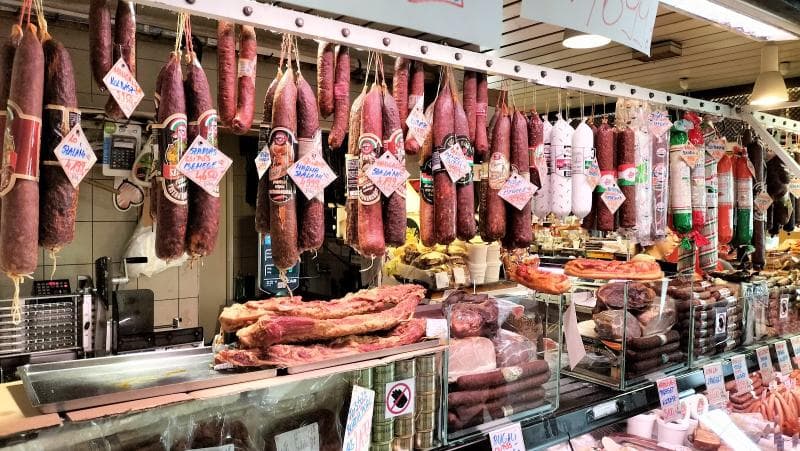
Discover the vibrant spice shops of Central Market Hall in Budapest, Hungary, a culinary hub renowned for its authentic Hungarian paprika.
Overview
Stepping into the spice shops of Budapest's Central Market Hall is an immersion into Hungary's culinary soul. Located within the largest and oldest indoor market in the city, these vibrant stalls are a feast for the senses, predominantly showcasing Hungary's national treasure: paprika. Visitors will find an array of beautifully packaged spices, from sweet 'édes' to fiery 'erős' varieties, along with other traditional Hungarian seasonings. The Central Market Hall itself, known as Nagyvásárcsarnok, is an architectural marvel dating back to 1897, drawing both locals seeking fresh produce and travelers eager to experience authentic Hungarian culture and flavors. It is a bustling hub where the aroma of rich spices mingles with the lively chatter of shoppers, offering a unique glimpse into daily life in Budapest.
History & Cultural Background
The Central Market Hall, designed by architect Samu Pecz, opened its grand doors in 1897, part of a larger initiative to modernize Budapest's food supply and ensure regulated, inspected goods. The building's striking Neo-Gothic architecture, featuring a soaring steel structure and a roof adorned with colorful Zsolnay tiles from Pécs, quickly earned it the nickname 'The Church of Food' or 'iron cathedral'. While the market faced significant damage during World War II and subsequently fell into disrepair under communism, extensive renovations in the 1990s painstakingly restored it to its original splendor, reopening in 1997, exactly a century after its initial debut. Paprika, the star of the spice shops, has been integral to Hungarian cuisine since the early 19th century. Its cultivation and use have become deeply embedded in the nation's culinary identity, defining iconic dishes like goulash, chicken paprikash, and fisherman's soup (halászlé).
What Makes It Special
What sets the spice shops of Central Market Hall apart is the sheer dedication to paprika in all its glorious forms. Unlike many generic spice vendors, these stalls offer an unparalleled selection of Hungarian paprika, ranging from delicate sweet (édes) to intensely hot (erős), along with smoked and crushed varieties. Beyond the powder, visitors can discover paprika cream tubes and special seasoning blends specifically crafted for traditional Hungarian recipes like goulash and fish soup. The presentation itself is a highlight; paprika is often meticulously arranged in colorful rows, packaged in charming cloth bags, decorative tins, or plastic sachets, transforming a simple ingredient into a vibrant display and an ideal souvenir. The ability to sample many of these spices and talk directly with knowledgeable vendors adds an engaging, personal touch to the shopping experience.
Stories, Fun Facts & Local Details
One fun fact about Hungarian paprika is its diverse range of eight distinct types, each offering a unique flavor profile and heat level, from the mild 'Különleges' (Special quality) with its vibrant red color to the intensely hot 'erős'. Visitors might observe strings of dried peppers and garlic hanging alongside the packaged spices, a traditional and picturesque sight that speaks to the market's authentic roots. The market's ground floor is where most of the primary food items, including spices, are found, making it the heart of this culinary experience. It's often recommended to visit in the morning when the stalls are freshly stocked and the market is bustling, offering a more authentic feel before midday crowds arrive. Locals also frequent these stalls, ensuring that despite its popularity with tourists, the market retains its essential function as a community food source.
Visitor Perspective
For a curious traveler, a visit to the spice shops in Central Market Hall is an immersive cultural experience. The moment one steps inside, the air is thick with the aromatic blend of smoked paprika, cured meats, and fresh bread, creating an unforgettable sensory journey. Engaging with the vendors, many of whom are happy to offer samples and explain the nuances of different paprika varieties, provides valuable insight into Hungarian culinary traditions. Beyond just purchasing spices, it's an opportunity to collect an authentic piece of Hungary, whether it's a beautifully tinned paprika or a unique seasoning blend to recreate Hungarian flavors back home. The lively atmosphere, coupled with the stunning architectural backdrop of the market hall, makes exploring the spice shops a memorable highlight of any Budapest itinerary, a place where history, culture, and flavor converge.
Coordinates: 19.058306, 47.486548
View on Google Maps💬 How Travelers Describe This Place
Based on community votes
Must See
623Unique
545Beautiful
343Photogenic
211Interesting
20
Traveler Stories
Discover memorable experiences shared by travelers who have visited this place.
No traveler stories yet.
Be the first traveler to share what made this place memorable.

Tour
By
Spot
Discover amazing places around the world. Your journey starts here.
Explore
© 2026 TourBySpot. All rights reserved.