Speicherstadt
Hamburg, Germany
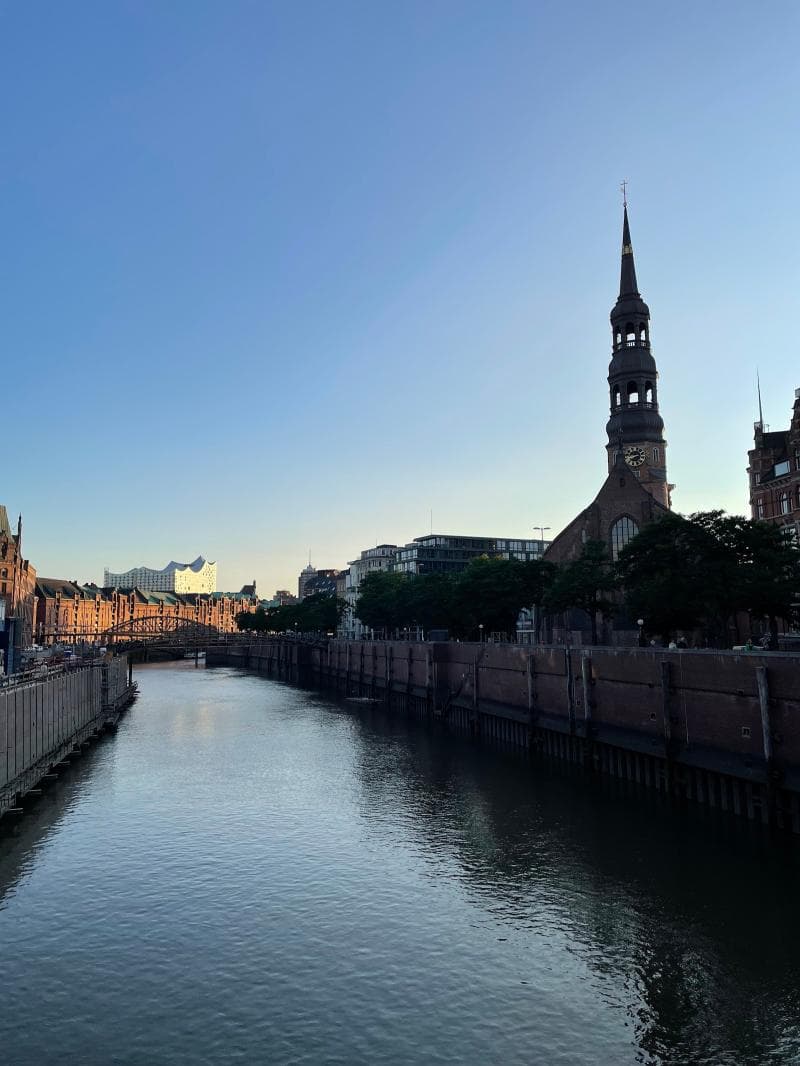
Discover Speicherstadt in Hamburg, Germany, the world's largest warehouse district and UNESCO site. Explore canals, Neo-Gothic architecture, and unique museums.
Overview
Tucked away within the vibrant port city of Hamburg, Germany, lies the extraordinary Speicherstadt, literally meaning 'Warehouse City'. This remarkable district holds the distinction of being the world's largest contiguous warehouse complex, a sprawling area of red-brick marvels that mesmerize with their Neo-Gothic architecture. Recognized for its outstanding universal value, Speicherstadt, together with the neighboring Kontorhaus District and Chilehaus, earned its rightful place as a UNESCO World Heritage Site in 2015. Its iconic buildings, characterized by intricate gables and turrets, are built upon thousands of sturdy oak piles and are elegantly intersected by a network of canals, known locally as 'Fleeten'.
Today, this historic quarter, nestled within the modern HafenCity, offers a captivating blend of old-world charm and contemporary life. While some warehouses continue their traditional function, many have been reimagined as museums, art galleries, cafes, and offices, drawing curious travelers from across the globe.
History & Cultural Background
The genesis of Speicherstadt dates back to the late 19th century, with construction commencing in 1883 and concluding in 1927. Its creation was a direct consequence of a significant shift in Germany's political and economic landscape. After Hamburg joined the German Customs Union in 1881 and fully integrated into the German Empire by 1888, the city lost its long-held privileges as a free port. To mitigate the economic impact and maintain its vital role in international trade, a dedicated free port area was established along the Elbe River, exempt from customs duties.
This ambitious urban development project, meticulously planned by senior civil engineer Franz Andreas Meyer, necessitated a drastic transformation of the area. Tragically, over 20,000 residents were displaced and 1,100 houses demolished to make way for the new warehouse district. These specialized warehouses were strategically designed to store high-value goods from around the world without incurring import taxes, including coffee, tea, spices, cocoa, and valuable oriental rugs. During World War II, the western part of Speicherstadt suffered extensive damage during Operation Gomorrha, the Allied bombing of Hamburg. However, meticulous reconstruction efforts ensured its restoration by 1967, preserving its architectural integrity. The district was formally designated a protected Hamburg heritage site in 1991, and its status as a free economic zone finally concluded on January 1, 2013.
What Makes It Special
Speicherstadt's allure lies in its unparalleled architectural grandeur and its unique functional design. The sheer scale of this warehouse complex, built entirely on a foundation of massive oak piles driven deep into the marshy ground, is a testament to 19th-century engineering. The distinct Neo-Gothic brick buildings, with their ornate gables and turrets, are a sight to behold, their reflections dancing on the water of the numerous canals that crisscross the district.
These canals, known as 'Fleeten,' are tide-dependent, meaning their water levels fluctuate, allowing small barges and launches to navigate them and deliver goods directly to the warehouses. This intricate system facilitated efficient trade for decades. At night, Speicherstadt undergoes a magical transformation; approximately 800 spotlights illuminate the red-brick facades and steel bridges, creating a breathtaking and romantic atmosphere that is truly unforgettable. Its striking juxtaposition with the sleek, modern architecture of the adjacent HafenCity further emphasizes its unique character, bridging centuries of Hamburg's urban development.
Stories, Fun Facts & Local Details
Beyond its grand architecture and historical significance, Speicherstadt is rich with intriguing details and local charm. A popular fun fact about Hamburg, often associated with this district, is that the city boasts more bridges than Venice and Amsterdam combined. For much of its history, Speicherstadt operated as 'a city within a city,' a self-contained customs-free zone where goods could be stored and processed outside of national tariff regulations.
Today, this dynamic area is a treasure trove of attractions. It houses the world-renowned Miniatur Wunderland, the largest model railway exhibition globally, captivating visitors of all ages. Other notable sites include the Hamburg Dungeon, offering a spooky journey through the city's past, the Deutsches Zollmuseum (German Customs Museum), the Speicherstadtmuseum itself, and the International Maritime Museum. Coffee aficionados will appreciate the Coffee Museum and various traditional coffee roasteries that continue the district's long-standing connection to this commodity. The picturesque 'Wasserschloss,' a building seemingly floating between canals, is one of Speicherstadt's most photographed landmarks. The stable, cool temperatures and humidity within these historic warehouses proved ideal for preserving delicate goods like coffee, tea, and spices, contributing to Hamburg's reputation as a major trading hub for these items.
Visitor Perspective
Exploring Speicherstadt offers a truly immersive experience for any curious traveler. One of the most popular and enchanting ways to discover the district is by taking a canal tour on a traditional barge or launch. These boat trips, particularly enjoyable during high tide when the canals are fully navigable, provide a unique perspective on the architecture and allow for closer inspection of the intricate details of the warehouse facades. Many tours depart from the Landungsbrücken in St. Pauli.
For those who prefer to explore on foot, Speicherstadt is freely accessible and open at all hours, making it perfect for leisurely strolls. Walking tours offer deeper insights into its history and current significance. The district is easily reachable via Hamburg's efficient public transportation system, with U-Bahn stations like Baumwall and Messberg just a short walk away. A visit to Speicherstadt often complements an exploration of the neighboring HafenCity, a modern urban development featuring architectural highlights such as the stunning Elbphilharmonie concert hall, showcasing the striking contrast between Hamburg's past and future. Whether by day or illuminated at night, Speicherstadt promises a memorable journey through Hamburg's rich maritime heritage.
Coordinates: 9.99194, 53.54333
View on Google Maps💬 How Travelers Describe This Place
Based on community votes
Photogenic
547Interesting
336Unique
219Beautiful
186Must See
80
Traveler Stories
Discover memorable experiences shared by travelers who have visited this place.
No traveler stories yet.
Be the first traveler to share what made this place memorable.
Things to see at Speicherstadt



Tour
By
Spot
Discover amazing places around the world. Your journey starts here.
Explore
© 2026 TourBySpot. All rights reserved.