Canals And Bridges
Hamburg, Germany
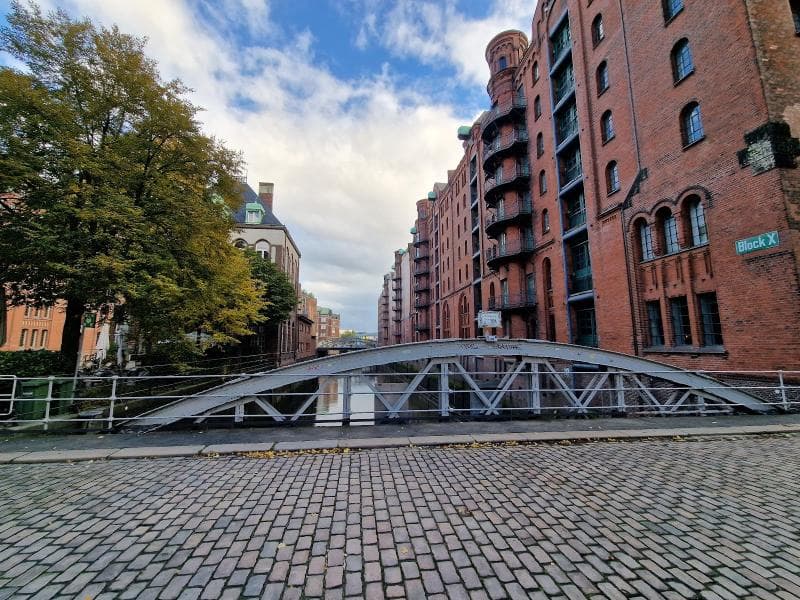
Explore Speicherstadt's iconic canals & bridges in Hamburg, Germany. Discover its UNESCO heritage, Neo-Gothic architecture, unique history, and charming waterways.
Overview
The Speicherstadt in Hamburg, Germany, is globally recognized as the world's largest historic warehouse complex, a proud UNESCO World Heritage Site. Built between 1883 and 1927, this remarkable district uniquely features structures erected on thousands of oak pilings, reminiscent of a northern Venice. Its defining characteristic is the distinctive Neo-Gothic red-brick architecture, intricately detailed with gables and turrets, beautifully reflected in a labyrinth of tidal canals known as 'Fleeten,' all interconnected by numerous elegant bridges. This captivating interplay of land and water invites travelers to explore a crucial chapter of Hamburg's maritime heritage.
History & Cultural Background
The creation of the Speicherstadt was a direct response to Hamburg's entry into the German Empire in the late 19th century, necessitating a dedicated free port area to maintain its trade advantages. Construction commenced in 1883, an ambitious undertaking that required the relocation of over 20,000 residents. Completed in phases by 1927, the district became a vital hub for storing valuable imports like coffee, tea, spices, and oriental carpets, exempt from customs duties. Although significantly damaged during World War II, the Speicherstadt was faithfully rebuilt, preserving its original architectural style. While its free port status eventually ended in the early 2000s, the district has successfully transformed, now housing cultural institutions, offices, and diverse recreational spaces, seamlessly integrated into Hamburg's modern HafenCity.
What Makes It Special
What truly sets the Speicherstadt apart is its exceptional fusion of industrial practicality and aesthetic grandeur. It remains the largest unified warehouse complex globally, uniquely constructed on robust timber pilings. The iconic Neo-Gothic red-brick facades, adorned with decorative gables and arched windows, exemplify the 'Hannover School' style, crafting the unmistakable image of a 'city of warehouses'. The tidal canals, or 'Fleeten,' were ingeniously designed to allow barges to unload goods directly into the warehouses, a testament to its innovative past. This intricate waterway system is spanned by a multitude of bridges – Hamburg remarkably boasts more bridges than Amsterdam, Venice, and London combined. These bridges, varying in style from classic wrought iron to contemporary steel, are essential conduits connecting the district's islands. Its 2015 UNESCO World Heritage designation affirms its outstanding historical and architectural significance.
Stories, Fun Facts & Local Details
A celebrated landmark within the Speicherstadt is the 'Wasserschloss' (Water Castle), a captivating red-brick structure built between 1905 and 1907. Perched on a peninsula where two canals meet, its turreted appearance seems to gracefully float on the water, making it a favorite for photographers and a symbol of the district. Historically, it was notable as the only residential building in the original warehouse complex. Another intriguing feature is the Kibbelsteg Bridge, hosting the 'Public Face' art installation, an optical illusion where the face appears to change expression depending on your viewpoint. Keep an eye out for bridges adorned with 'lovers' padlocks,' adding a contemporary romantic touch to the historic setting. Fun fact: the Speicherstadt was Hamburg's first fully electrified district. At night, the district undergoes a magical transformation; 800 spotlights illuminate the facades and bridges, creating a dramatic 'Lichtkunst Speicherstadt' that reflects enchantingly on the canal waters.
Visitor Perspective
To truly appreciate the Speicherstadt's charm, immerse yourself by exploring its canals and bridges either on foot or via a traditional canal boat tour. Boat tours provide an unparalleled waterside vantage point, showcasing the warehouses' original water-facing facades and the historic cranes and tracks used for unloading. Photographers will find endless inspiration, with the Poggenmühlenstraße bridge offering particularly striking symmetrical views, especially in the soft morning light when crowds are typically thinner. Comfortable shoes are a must, as the cobblestone paths can be uneven or slick when wet. Beyond the stunning architecture, the district hosts popular attractions like Miniatur Wunderland, the Speicherstadtmuseum, and the International Maritime Museum, enriching the visitor experience. Concluding your visit at dusk allows you to witness the spectacular illumination, bathing the canals and bridges in a mesmerizing glow.
Coordinates: 9.99194, 53.54333
View on Google Maps💬 How Travelers Describe This Place
Based on community votes
Beautiful
996Interesting
673Must See
585Unique
143Photogenic
80
Traveler Stories
Discover memorable experiences shared by travelers who have visited this place.
No traveler stories yet.
Be the first traveler to share what made this place memorable.

Tour
By
Spot
Discover amazing places around the world. Your journey starts here.
Explore
© 2026 TourBySpot. All rights reserved.