Special Exhibitions
Hamburg, Germany
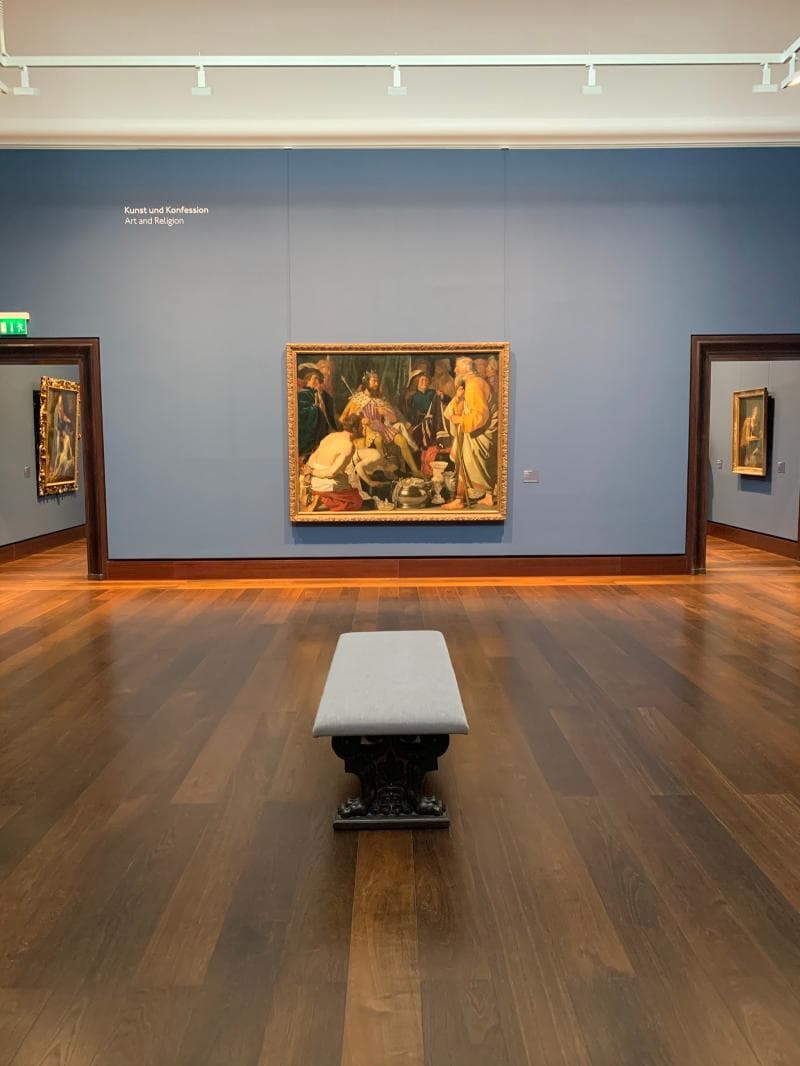
Explore the Special Exhibitions at Hamburger Kunsthalle in Hamburg, Germany. Discover dynamic art showcases spanning centuries, from Old Masters to contemporary works.
Overview
The Hamburger Kunsthalle, nestled in the vibrant city of Hamburg, Germany, stands as one of the nation's most significant and extensive art museums. It offers visitors a captivating journey through eight centuries of European art history, from the medieval period to the present day. Comprising three architecturally distinct yet interconnected buildings – dating from 1869, 1921, and 1997 – the museum itself is a landmark. While its permanent collection is a treasure trove, the 'Special Exhibitions' are a particularly dynamic and anticipated feature, continually drawing art enthusiasts and curious travelers from around the globe.
History & Cultural Background
The origins of the Hamburger Kunsthalle are deeply rooted in Hamburg's civic spirit. The museum's collection began in 1849, initiated by the Hamburg Kunstverein (art association), and opened to the public as the Städtische Galerie a year later. The construction of its impressive main building, from 1863 to 1869, was largely financed by private donations, underscoring the strong local engagement in fostering art and culture. Over the decades, the institution expanded, adding the Kuppelsaal (domed hall) in 1921 and the strikingly modern Galerie der Gegenwart (Gallery of Contemporary Art) in 1997. This rich history of expansion and evolution has allowed the Kunsthalle to amass a vast and diverse collection, featuring around 145,000 works of art, making it a cornerstone of German cultural heritage.
What Makes It Special
What truly sets the 'Special Exhibitions' at the Hamburger Kunsthalle apart is their unique ability to create compelling dialogues across time and artistic movements. These temporary showcases are not merely displays but carefully curated narratives, often featuring renowned artists and bringing together works that have rarely, if ever, been seen together. For instance, the museum might juxtapose international Surrealism with German Romanticism, revealing unexpected connections and influences across centuries. Exhibitions often explore complex themes, such as 'Illusion – Dream – Identity – Reality,' prompting critical reflection on perception and contemporary issues. The scope can range from comprehensive surveys of sculpture spanning 2,500 years to focused presentations on specific artists or photographic movements. This dynamic programming ensures that each visit offers a fresh perspective and an opportunity to engage with art in novel and thought-provoking ways, complementing its permanent collection that gracefully navigates from medieval altars to contemporary masterpieces.
Stories, Fun Facts & Local Details
The story of the Hamburger Kunsthalle is filled with fascinating details that highlight its enduring legacy. Alfred Lichtwark, the museum's first director from 1886, played a pivotal role in shaping its early collection, notably acquiring exquisite Dutch church interiors that remain highlights today. A truly iconic piece within the Kunsthalle's holdings is Caspar David Friedrich's 'Wanderer Above the Sea of Fog,' a powerful symbol of German Romanticism. This celebrated painting occasionally embarks on international journeys, only to return to its home in Hamburg for special exhibitions, much to the delight of local art lovers. The very existence and continued growth of the Kunsthalle are a testament to the generosity and commitment of Hamburg's citizens, whose private donations have consistently supported its artistic endeavors. Beyond viewing art, the museum fosters deeper engagement through various events, including readings, artist talks, seminars, and performances that enrich the exhibition experience and connect visitors more intimately with the themes and creators.
Visitor Perspective
For the curious traveler, visiting the special exhibitions at the Hamburger Kunsthalle is an effortlessly engaging experience. Its prime location next to Hamburg's main railway station (Hauptbahnhof) makes it highly accessible by public transport, whether you're arriving by U-Bahn, S-Bahn, or bus. Upon arrival, visitors can easily navigate the museum's well-appointed spaces, which include a museum shop for souvenirs and a café for a relaxing break. The exhibitions themselves are thoughtfully designed to immerse and inform. For instance, the 'SCULPTURAL' exhibition, showcasing the museum's extensive sculpture collection, incorporates interactive stations. Here, visitors can engage with 'sculptures en miniature' – coins, medals, and reliefs – and even try their hand at designing their own coin, transforming passive observation into an active discovery. These innovative approaches ensure that exploring the special exhibitions is not just about seeing art, but about experiencing it in a meaningful and memorable way.
Coordinates: 10.00306, 53.555
View on Google Maps💬 How Travelers Describe This Place
Based on community votes
Interesting
551Unique
547Beautiful
336Photogenic
298Must See
219
Traveler Stories
Discover memorable experiences shared by travelers who have visited this place.
No traveler stories yet.
Be the first traveler to share what made this place memorable.

Tour
By
Spot
Discover amazing places around the world. Your journey starts here.
Explore
© 2026 TourBySpot. All rights reserved.