Spanish Hall
Innsbruck, Austria
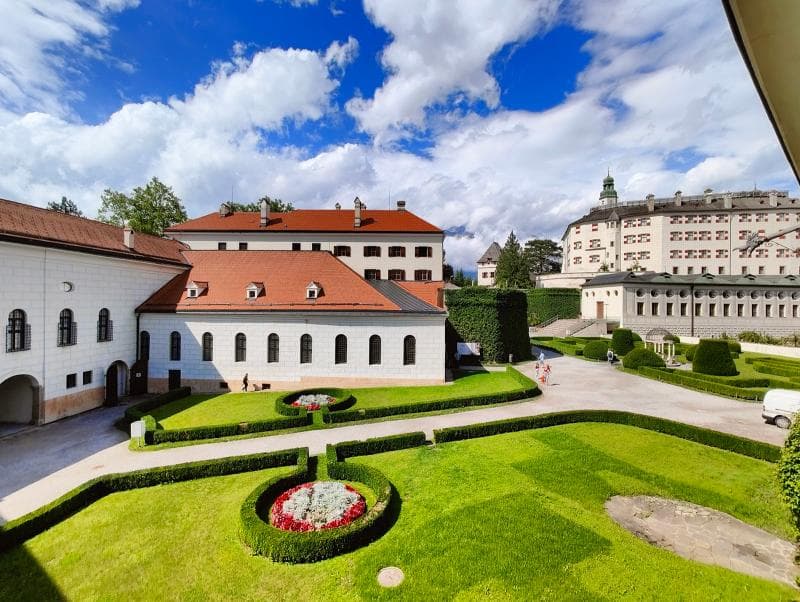
Explore the magnificent Spanish Hall at Ambras Castle in Innsbruck, Austria. A stunning Renaissance masterpiece built by Archduke Ferdinand II, adorned with Tyrolean rulers' portraits and exquisite wooden ceilings.
Overview
Nestled within the historic Ambras Castle in Innsbruck, Austria, the Spanish Hall stands as a magnificent testament to Renaissance grandeur. This architectural marvel, known locally as the 'Spanischer Saal', is celebrated as one of the most significant freestanding hall buildings of its era. Measuring an impressive 43 meters in length and 13 meters in width, its sheer scale immediately captures the imagination. Conceived by Archduke Ferdinand II, the hall served as a prestigious venue for elaborate courtly events, banquets, and festivities. Today, its vibrant and light-filled interior continues to enchant visitors, hosting world-renowned concerts such as the Innsbruck Festival of Early Music, bringing its historical purpose to life once more.
The Spanish Hall is renowned for its exceptional artistic and architectural details, including an intricately crafted wooden coffered ceiling, stunning double-doors, and a captivating series of 27 full-length portraits of Tyrolean rulers adorning its walls. Stepping into this hall is like stepping back in time, offering a profound glimpse into the cultural aspirations and artistic achievements of the late Renaissance period in Central Europe.
History & Cultural Background
The story of the Spanish Hall is inextricably linked to Archduke Ferdinand II of Austria, a prominent figure of the Habsburg dynasty and a passionate collector of art and curiosities. As the provincial sovereign of Tyrol from 1564, Ferdinand II embarked on transforming the medieval Ambras fortress into a lavish Renaissance castle, intended as a residence and a home for his vast collections.
Construction of the Spanish Hall took place between 1569 and 1572, beneath the Upper Castle. It was designed to be one of the most artistically important halls of the late Renaissance, a place befitting the Archduke's court and his secret wife, Philippine Welser, for whom the entire castle transformation was a 'gift of love'. The hall's creation was a collaborative effort, bringing together skilled artists and craftsmen from various parts of Europe. Its name, 'Spanish Hall', reflects the influence of Spanish court culture during the Habsburg reign, although it wasn't formally known by this name until the nineteenth century.
What Makes It Special
What truly sets the Spanish Hall apart is its remarkable preservation and the harmonious blend of its architectural and decorative elements. It is widely regarded as one of the most beautiful and important Renaissance halls north of the Alps. The hall's imposing dimensions are immediately striking, creating an atmosphere of grandeur and spaciousness. The focal point for many visitors are the 27 vibrant, full-length portraits of Tyrolean rulers, which line the entire length of the hall. This unique series chronicles the lineage from Count Albert I of Tyrol through to Archduke Ferdinand II himself, offering a visual history lesson in dynastic power and artistry.
Above, the intricate wooden coffered ceiling, partially gilded and inlaid, is a masterpiece of Renaissance carpentry, created by court carpenter Conrad Gottfried. The two double-doors, crafted from various types of wood, complement the ceiling's rich detail. Adding to its allure are the illusionistic paintings in the frieze, socle, and window zones. These depict allegorical figures and mythological scenes—virtues on the east wall, the labours of Hercules on the north, and the liberal arts alongside stories of Romulus and Remus on the west. These elements combine to create a visually immersive experience, showcasing the pinnacle of Renaissance art and craftsmanship.
Stories, Fun Facts & Local Details
The Spanish Hall was, and still is, a hub of cultural activity. In Archduke Ferdinand II's time, it was the scene of lavish banquets, dances, and theatrical performances, hosting the who's who of contemporary society. Imagine the rustle of silks and the murmur of conversations echoing beneath that magnificent ceiling! Today, it continues this tradition by serving as a distinguished venue for early music concerts, particularly during the renowned Innsbruck Festival of Early Music. The acoustics of the hall are celebrated, making it an exceptional setting for musical performances.
A fascinating detail in the hall's decoration is the series of painted oculus windows in the frieze zones. Bordered by stucco, these illusionistically reproduce the sky and clouds, creating a sense of openness and connecting the interior space to the heavens. This clever artistic technique adds to the hall's graceful lightness and architectural balance. The comprehensive restoration between 1878 and 1880 was crucial in preserving this treasure, as extensive damage from moisture necessitated careful repair, ensuring its splendor for future generations.
Visitor Perspective
For any traveler exploring Innsbruck, a visit to Ambras Castle and its Spanish Hall is an absolute highlight. The journey begins as you approach the castle perched on a hill, surrounded by sprawling gardens. As you step into the Spanish Hall, you are immediately transported. The sheer scale and meticulous detail of the decorations create an awe-inspiring atmosphere. It's a place that appeals not just to history buffs or art enthusiasts, but to anyone who appreciates beauty and masterful craftsmanship. The feeling of standing in a space where centuries of history have unfolded, where royalty once feasted and celebrated, is truly profound. The vibrant light, the rich colors of the portraits, and the intricate ceiling invite contemplation and wonder. The Spanish Hall is more than just a room; it's a living piece of history, offering a unique opportunity to connect with the Renaissance period and the legacy of Archduke Ferdinand II. Many describe it as the climax of their visit to Ambras Castle, an experience that leaves a lasting impression.
Coordinates: 11.43359, 47.2557
View on Google Maps💬 How Travelers Describe This Place
Based on community votes
Beautiful
896Interesting
550Must See
95Photogenic
56Unique
28
Traveler Stories
Discover memorable experiences shared by travelers who have visited this place.
No traveler stories yet.
Be the first traveler to share what made this place memorable.

Tour
By
Spot
Discover amazing places around the world. Your journey starts here.
Explore
© 2026 TourBySpot. All rights reserved.