Soviet Era Gallery
Bishkek, Kyrgyzstan
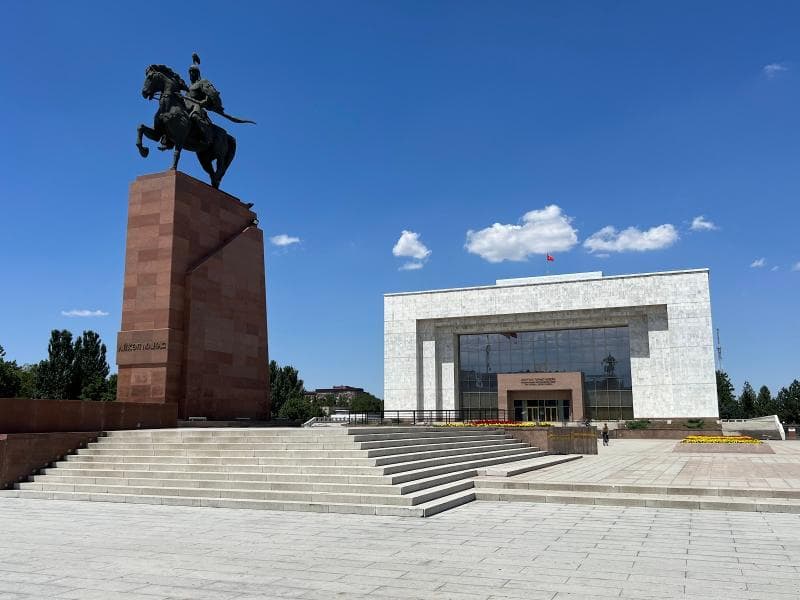
Explore the Soviet-era exhibits at the State History Museum in Bishkek, Kyrgyzstan, delving into a pivotal period of national history.
Overview
The State History Museum in Bishkek, Kyrgyzstan, stands as a grand repository of the nation's journey, from ancient nomadic civilizations to its modern identity. Among its extensive collections, the exhibits dedicated to the Soviet era offer a crucial lens into a pivotal period of Kyrgyzstan's past. While not a standalone 'gallery' in the traditional sense, this section meticulously details the profound impact of Soviet rule on the cultural, social, and political fabric of the Kyrgyz people, providing a unique perspective on this complex historical chapter. It’s an essential stop for any traveler seeking to understand the foundational layers of contemporary Kyrgyzstan.
History & Cultural Background
The museum itself boasts a rich history, founded in 1925 as Kyrgyzstan's first scientific institution. Over the decades, it evolved, changing names and locations, eventually settling into its imposing Soviet-era building in 1984, prominently situated near Ala-Too Square. The Soviet period, spanning much of the 20th century, saw Kyrgyzstan transformed from a largely nomadic society into the Kyrgyz Soviet Socialist Republic. This era brought about significant industrialization, collectivization, and social restructuring, profoundly altering traditional lifestyles and governance. The museum's Soviet-era exhibits delve into this transformation, illustrating how a global ideology reshaped a distinct Central Asian culture.
What Makes It Special
What distinguishes the museum's presentation of the Soviet era today is its focus on documentary evidence and historical narrative, particularly after extensive renovations between 2016 and 2021. During this period, many overtly propagandistic Soviet statues and murals that once adorned the interior were removed, reflecting a contemporary re-evaluation of this past. Instead, visitors will find a compelling array of photographs, documents, and artifacts that chronicle the formation and development of the Kyrgyz Soviet Socialist Republic. This offers a more nuanced and factual account, moving beyond mere glorification to present the complexities and realities of life under Soviet rule, including the political changes, cultural policies, and the daily lives of citizens. It is a testament to how a nation processes and presents its own layered history.
Stories, Fun Facts & Local Details
One fascinating aspect is the physical structure of the museum building itself, an excellent example of Soviet modernist architecture. Prior to renovations, the museum was known for its grand, often explicit, communist propaganda murals on the ceilings, featuring figures like Lenin and Marx, which were a significant visual element of the Soviet section. While these specific artistic elements have largely been replaced with a more neutral aesthetic, their historical presence offers a compelling anecdote about the museum's past identity. Even the statue of Lenin, which once commanded the entrance, was moved to a more secluded location behind the building in 2003, symbolizing the nation's evolving relationship with its Soviet legacy. The renovations, funded by the Turkish Cooperation and Coordination Agency, highlight Kyrgyzstan's modern geopolitical shifts and its reassertion of national identity.
Visitor Perspective
For the curious traveler, exploring the Soviet-era exhibits within the State History Museum provides invaluable context to Bishkek's urban landscape, which is still marked by Soviet planning and architecture. It allows visitors to connect the dots between the monumental buildings outside and the historical forces they represent. This section offers a chance to reflect on the legacy of a superpower and its lasting impact on a country far from Moscow. It’s a journey through a period of immense change, offering insights into how Kyrgyzstan navigated its path to independence and forged its current national story, making it a profoundly educational and thought-provoking experience. The museum is a crucial point for understanding the blend of nomadic traditions, Soviet-era politics, and contemporary identity in Kyrgyzstan.
Coordinates: 74.603765, 42.87787
View on Google Maps💬 How Travelers Describe This Place
Based on community votes
Beautiful
996Interesting
673Must See
585Unique
143Photogenic
80
Traveler Stories
Discover memorable experiences shared by travelers who have visited this place.
No traveler stories yet.
Be the first traveler to share what made this place memorable.

Tour
By
Spot
Discover amazing places around the world. Your journey starts here.
Explore
© 2026 TourBySpot. All rights reserved.