Soviet Art Details
Tashkent, Uzbekistan
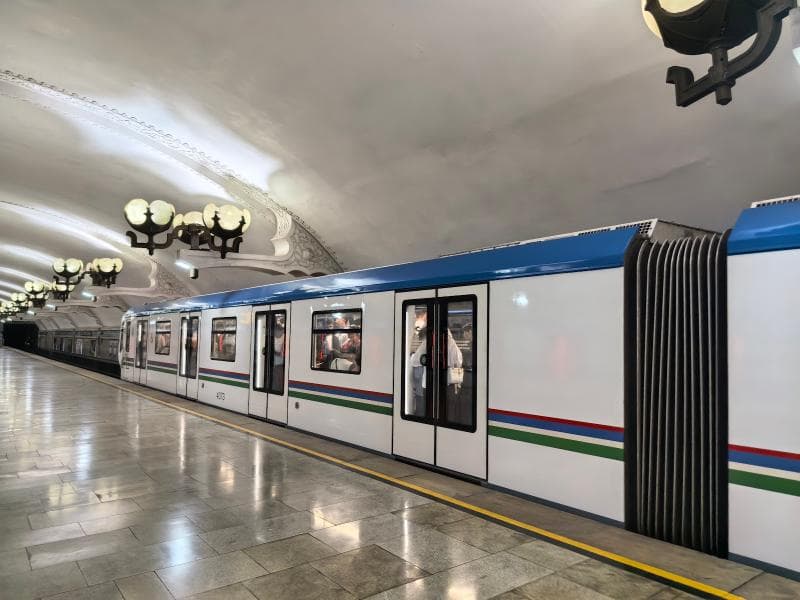
Discover the Tashkent Metro's stunning Soviet art details in Uzbekistan. Explore unique station designs, mosaics, and architecture in this underground museum.
Overview
Stepping into the Tashkent Metro is not merely entering a transportation system; it is embarking on an artistic journey through an underground museum. Regarded as one of the most beautiful metro systems globally, each station is a unique masterpiece, showcasing an extraordinary fusion of Soviet-era grandeur and rich Uzbek cultural heritage. Far from being a series of utilitarian tunnels, the Tashkent Metro is a vibrant subterranean gallery adorned with intricate mosaics, sparkling chandeliers, and detailed sculptures, offering a profound glimpse into the country's history and artistic prowess. It provides an immersive experience where functionality meets breathtaking aesthetics, making every ride a discovery.
History & Cultural Background
The genesis of the Tashkent Metro is deeply rooted in a pivotal moment of the city's history: the devastating 1966 earthquake. Tasked with rebuilding the city, Soviet planners seized the opportunity to create not just a resilient urban infrastructure but also a powerful symbol of progress and rebirth. Construction commenced in 1972, and the first line, the Chilanzar Line, opened its doors in 1977, marking it as the first metro system in Central Asia. The design process was meticulous, overseen by Metrogiprotans, the Soviet planning agency renowned for its work on the iconic Moscow Metro. This ensured that each of Tashkent's stations would be an individual artistic statement, integrating monumental Soviet architectural styles with traditional Uzbek motifs. The metro was engineered to be earthquake-resistant and served a dual purpose as a nuclear bomb shelter during the Cold War. This strategic classification meant that, for decades, photography within the stations was strictly prohibited, keeping its beauty largely a secret from the outside world until the ban was lifted in 2018.
What Makes It Special
What truly sets the Tashkent Metro apart is the sheer individuality and thematic richness of each of its stations. Unlike many modern subway systems with uniform designs, no two stations in Tashkent are alike; each tells a unique story through its art and architecture. Materials like marble, granite, ceramics, glass, smalt, and carved alabaster were meticulously employed by prominent Uzbek artists and architects. Stations like 'Alisher Navoi' transport visitors into an oriental palace, with its stunning blue-domed ceilings and mosaic panels inspired by the 15th-century poet's literary works. 'Kosmonavtlar' (Cosmonauts) immerses travelers in a celestial realm, featuring deep blue walls, glass columns, and portraits of space pioneers like Yuri Gagarin and Valentina Tereshkova, all beneath a ceiling designed to evoke the Milky Way. 'Pakhtakor' pays homage to Uzbekistan's crucial cotton industry with vibrant cotton-themed mosaics. The metro's ability to blend grand Soviet socialist realism with distinct Uzbek cultural narratives makes it a truly unparalleled experience, where every platform feels like a curated gallery.
Stories, Fun Facts & Local Details
Beyond their visual appeal, the stations of the Tashkent Metro are imbued with stories that reflect the soul of Uzbekistan. For instance, the 'Mustaqillik Maydoni' (Independence Square) station, once known as Lenin Square during Soviet times, features grand marble columns and star patterns on its flooring, symbolizing Soviet achievements in space exploration. The 'O'zbekiston' station captivates with shimmering blue glass mosaics reminiscent of waves and distinctive bulbous light fixtures shaped like cotton bolls, celebrating the nation's significant cotton heritage. Local residents often speak of the metro with immense pride, seeing it not just as a means of transport but as a profound symbol of their nation's history and cultural identity. Many trains still retain their Soviet-era charm, adding to the historic ambiance. It is said that Tashkent's rapid growth in the 1960s, driven by Soviet rules that allowed metro construction only in cities with over a million residents, directly contributed to its eligibility for this magnificent underground system.
Visitor Perspective
For a curious traveler, exploring the Soviet art details within the Tashkent Metro is a highly recommended and uniquely rewarding experience. It is remarkably efficient, clean, and incredibly affordable, making it an ideal way to navigate the city while simultaneously absorbing its rich cultural tapestry. What was once a strictly guarded military facility where photography was forbidden is now an open and welcoming attraction, inviting visitors to capture its splendor. Many find themselves spending hours simply admiring the stations, each offering a distinct theme and narrative. It is common to see both locals and tourists alike gazing in awe at the intricate designs. Visitors often describe the experience as walking through an elaborate art gallery or a series of palatial halls rather than a typical subway, fostering a sense of wonder and connection to Uzbekistan's past and present.
Coordinates: 69.28615, 41.292136
View on Google Maps💬 How Travelers Describe This Place
Based on community votes
Must See
826Photogenic
494Beautiful
242Interesting
125Unique
82
Traveler Stories
Discover memorable experiences shared by travelers who have visited this place.
No traveler stories yet.
Be the first traveler to share what made this place memorable.

Tour
By
Spot
Discover amazing places around the world. Your journey starts here.
Explore
© 2026 TourBySpot. All rights reserved.