South Reliefs
Innsbruck, Austria
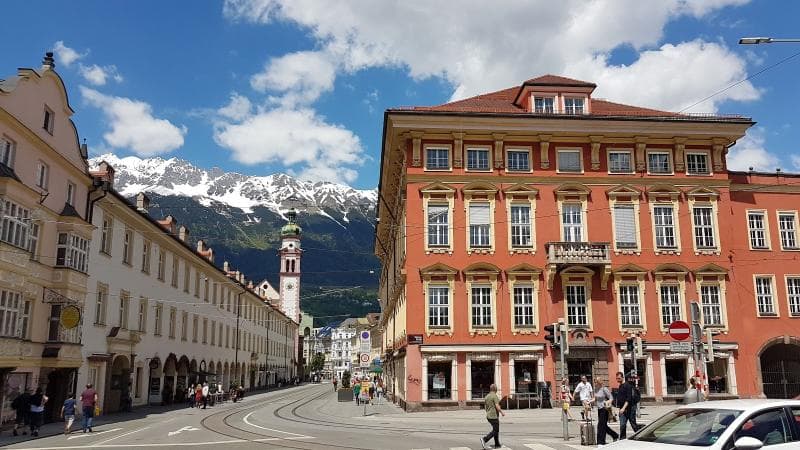
Explore the joyful South Reliefs of Innsbruck's Triumphal Arch in Austria, depicting Archduke Leopold's wedding. A unique blend of history, celebration, and imperial legacy in stone.
Overview
At the bustling southern end of Innsbruck's historic Maria-Theresien-Straße stands the magnificent Triumphal Arch, a monument unlike many others you might encounter across Europe. Erected in 1765 by Empress Maria Theresa, this impressive structure serves as a unique testament to both profound joy and deep sorrow within the imperial Habsburg family. While the entire arch is a striking example of 18th-century architecture, the 'South Reliefs' in particular capture a celebratory moment in history.
These detailed carvings on the arch's southern face commemorate the lavish wedding of Maria Theresa's son, Archduke Leopold (the future Emperor Leopold II), to the Spanish Princess Maria Luisa. Unlike its northern counterpart, which reflects unexpected mourning, the South Reliefs are a vibrant narrative in stone, depicting the festive union that momentarily illuminated the imperial city.
History & Cultural Background
The story of the Triumphal Arch, and specifically its South Reliefs, is rooted in August 1765, a pivotal month for the Habsburg dynasty. Innsbruck was abuzz with preparations for the wedding of Archduke Leopold, Maria Theresa's third son, and the Spanish Infanta Maria Luisa. This grand event was intended to solidify alliances and celebrate the future of the empire. Empress Maria Theresa commissioned the arch to mark this joyous occasion, a tradition echoing ancient Roman triumphal arches.
Tragically, just days after the wedding ceremonies concluded, Emperor Francis I Stephen, Maria Theresa's beloved husband and Leopold's father, died suddenly in Innsbruck on August 18, 1765. This unforeseen loss transformed the celebratory atmosphere into one of profound grief. Consequently, the arch, initially conceived solely for jubilation, was adapted to reflect both events. While the northern side was dedicated to mourning, the southern reliefs were preserved to eternally capture the wedding festivities.
The original arch was a temporary wooden structure. However, recognizing its significance, Maria Theresa ordered its reconstruction in durable stone. The initial stucco reliefs, crafted by Johann Baptist Hagenauer, were later meticulously carved into marble by the sculptor Balthasar Moll in 1774. This permanent stone edifice, utilizing local Höttinger Breccia, stands today as a tangible link to a complex chapter in imperial Austrian history.
What Makes It Special
The true distinction of the South Reliefs, and the Triumphal Arch as a whole, lies in their extraordinary duality. Few monuments in the world so poignantly capture two such contrasting emotions – the zenith of imperial joy and the abyss of personal sorrow – within a single structure. The South Reliefs, in particular, serve as a timeless celebration, forever etching the happiness of the imperial wedding into the cityscape of Innsbruck.
These intricate marble carvings are more than just decorative elements; they are a historical 'stone diary,' offering a glimpse into the Habsburg court's opulence and the personal lives of its rulers. The craftsmanship of Balthasar Moll transformed what might have been ephemeral celebrations into enduring works of art. Visitors can observe the rich symbolism embedded within the reliefs, which include not only the depictions of the newlyweds but also significant state symbols of the Habsburg monarchy.
Stories, Fun Facts & Local Details
The South Reliefs vividly tell the story of Archduke Leopold's marriage to Maria Luisa. Here, you'll find depictions of the festive wedding scenes, adorned with garlands and crowns, celebrating the young couple's union. Among the detailed carvings are portrait medallions of the joyous bride and groom, Archduke Leopold and Princess Maria Luisa, capturing their profiles for posterity. You can also spot the likenesses of Empress Maria Theresa and Emperor Francis Stephen, often shown wearing laurel wreaths, symbolizing their imperial status.
Beyond the personal portraits, the reliefs are rich with heraldic symbols of the powerful Habsburg realm. Keep an eye out for the Austrian archducal hat, prominently displayed alongside the prestigious Order of the Golden Fleece, and the Bohemian Wenceslas crown merged with the Hungarian Order of St. Stephen. These elements underscore the vast reach and influence of the imperial family at the time of the wedding.
A fascinating detail is that the arch itself was constructed using ashlar blocks reclaimed from the old city gate that once stood at this very location. This reuse of material imbues the monument with layers of Innsbruck's history, bridging its medieval past with its imperial present. The street leading up to the arch, Maria-Theresien-Straße, appropriately bears the Empress's name, further cementing her legacy in the city's fabric.
Visitor Perspective
The Triumphal Arch, with its significant South Reliefs, is a freely accessible public monument, offering an intimate encounter with history without the need for tickets or specific opening hours. Its prominent location at the end of Maria-Theresien-Straße makes it an ideal starting point for exploring Innsbruck's charming city center.
To truly appreciate the South Reliefs, take your time to examine the intricate details of Balthasar Moll's marble work. Stand before the southern face and imagine the grandeur and celebration of the 1765 imperial wedding. Looking closely, you can discern the expressions and symbols that bring this historical event to life. While impressive by day, the arch gains a special ambiance when illuminated after sunset, casting dramatic shadows that highlight its relief details and dual narrative. A visit here is not just about seeing a landmark; it's about connecting with a poignant story etched in stone, offering a deeper understanding of Innsbruck's imperial heritage.
Coordinates: 11.394722, 47.2625
View on Google Maps💬 How Travelers Describe This Place
Based on community votes
Must See
931Interesting
670Unique
655Beautiful
266Photogenic
166
Traveler Stories
Discover memorable experiences shared by travelers who have visited this place.
No traveler stories yet.
Be the first traveler to share what made this place memorable.

Tour
By
Spot
Discover amazing places around the world. Your journey starts here.
Explore
© 2026 TourBySpot. All rights reserved.