Skadarska Street
Belgrade, Serbia
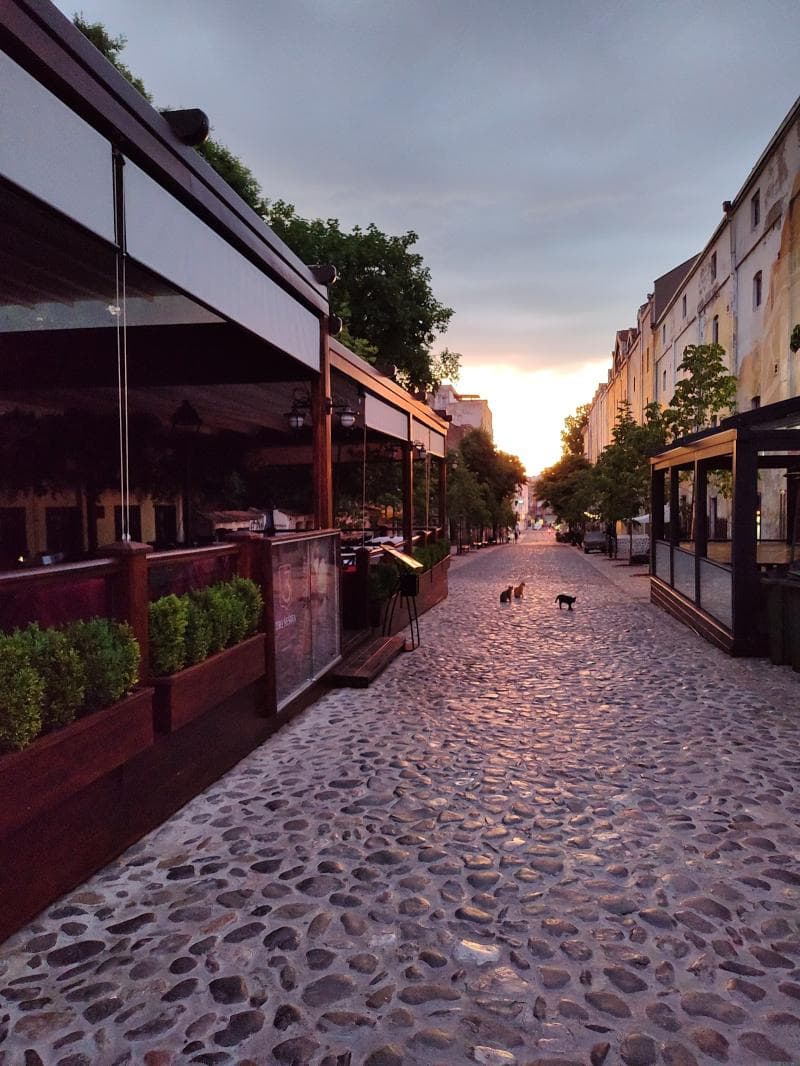
Explore Skadarska Street in Skadarlija, Belgrade, Serbia's vibrant bohemian quarter. Discover its rich history, traditional kafanas, live music, and art. An essential cultural experience.
Overview
Skadarska Street, nestled within the larger historic quarter of Skadarlija in Belgrade, Serbia, is often hailed as the city's bohemian heart. This charming, cobblestoned thoroughfare, reminiscent of Montmartre in Paris, offers a captivating escape into a bygone era. It's a place where history, culture, and artistry intertwine, creating a uniquely vibrant atmosphere. As Belgrade's second-most visited tourist attraction after Kalemegdan Fortress, Skadarlija draws up to 20,000 visitors daily, eager to experience its preserved ambiance and lively spirit.
Stretching less than 400 meters, Skadarska Street is a pedestrian-friendly zone, winding gently and lined with traditional restaurants known as 'kafanas', art galleries, antique shops, and souvenir stalls. It is located conveniently close to Republic Square, making it easily accessible from central Belgrade.
History & Cultural Background
The story of Skadarska Street began in the 1830s as a humble settlement for Roma people. By the mid-19th century, as Belgrade expanded, artisans, craftsmen, and clerks began to settle here, transforming the area from its 'Gypsy Quarter' origins. The street officially received its name, Skadarska Ulica (Skadar Street), in 1872, named after the historic city of Skadar.
Skadarlija truly blossomed into Belgrade's bohemian quarter in the late 19th and early 20th centuries. A pivotal moment occurred in 1901 with the demolition of the prominent Dardaneli inn, a popular haunt for writers and actors. Its displaced patrons then migrated to the kafanas of Skadarska Street, solidifying the area's reputation as a hub for artistic and intellectual life. Its proximity to the National Theatre further attracted many artists, poets, and journalists who sought inspiration and camaraderie in its taverns. Since 1967, Skadarlija has been legally protected as a spatial cultural-historical unit, ensuring the preservation of its unique traditional urban architecture and archaic organization.
What Makes It Special
What sets Skadarska Street apart is its remarkable preservation of a bygone era. The winding, cobblestone street, known locally as 'kaldrma', with its old houses and traditional kafanas, exudes an authentic charm that transports visitors back to 19th-century Belgrade. Unlike many modernized areas, Skadarlija maintains a distinct, unpretentious character, making it a beloved destination for both locals and tourists.
The street is celebrated for its numerous traditional restaurants, many of which have been operating for over a century. These establishments offer a taste of authentic Serbian cuisine, often accompanied by live traditional music from tamburica players or brass bands. Beyond dining, Skadarska Street features art galleries showcasing local talent, quaint antique shops, and stalls selling unique souvenirs, all contributing to its vibrant cultural tapestry. At the lower end of the street, visitors will find the Sebilj fountain, a decorative drinking fountain gifted to Belgrade from Sarajevo.
Stories, Fun Facts & Local Details
Skadarska Street is steeped in anecdotes and the legacies of famous figures who once frequented its lively establishments. Luminaries like the writer and painter Đura Jakšić lived and died here; his house has since been transformed into a meeting place for poets and a cultural center. The legendary kafanas, such as 'Tri šešira' (Three Hats) and 'Dva jelena' (Two Deer), have hosted countless artists, writers, and politicians, becoming integral to Belgrade's cultural narrative.
Tales abound of famous international visitors too, with whispers that even Alfred Hitchcock reportedly broke his diet in Skadarlija, and Jimi Hendrix, George H.W. Bush, and Catherine Deneuve were among its esteemed guests. A unique historical detail includes the Bajloni family brewery, once located at the end of the street, which produced 'Aleksandar' beer using water from a thermal spring in its backyard. This brewery also has underground galleries and catacombs beneath it.
Visitor Perspective
For the curious traveler, a visit to Skadarska Street is a multisensory experience. The air is often filled with the melodies of traditional Serbian folk music, blending with the aromas of grilled meats and local delicacies from the numerous restaurants. Actors in traditional Serbian costumes and costumed women selling roses further enhance the old-world ambiance, especially during summer evenings.
The street is known for its welcoming and inclusive atmosphere, appealing to young couples, families, and solo explorers alike. Walking along the 'kaldrma', pausing to enjoy a meal in a historic kafana, exploring art exhibits, or simply observing the lively street performances offers a genuine taste of Belgrade's bohemian past and present. It is, as many locals say, an essential part of experiencing Belgrade.
Coordinates: 20.4643, 44.8178
View on Google Maps💬 How Travelers Describe This Place
Based on community votes
Beautiful
853Interesting
639Photogenic
569Must See
190Unique
93
Traveler Stories
Discover memorable experiences shared by travelers who have visited this place.
No traveler stories yet.
Be the first traveler to share what made this place memorable.

Tour
By
Spot
Discover amazing places around the world. Your journey starts here.
Explore
© 2026 TourBySpot. All rights reserved.