Side streets
Osaka, Japan
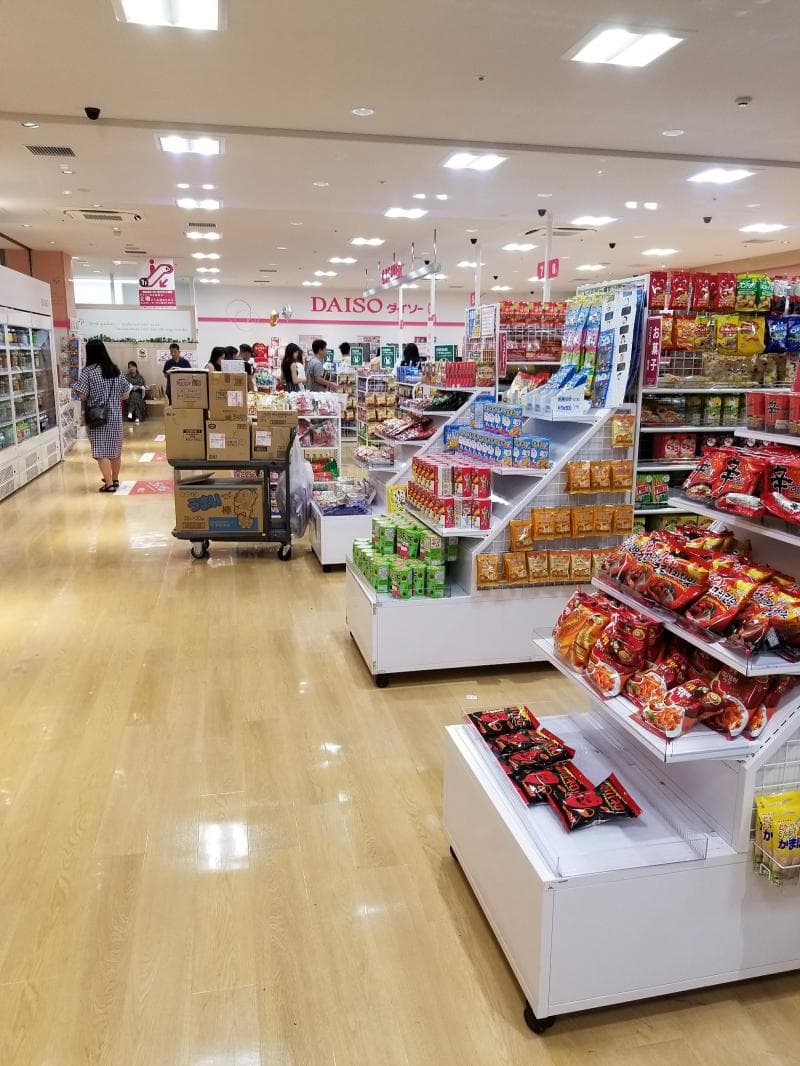
Explore the hidden side streets of Shinsaibashi, Osaka, Japan. Discover Amerikamura's youth culture, serene Hozenji Yokocho, and unique local finds.
Overview
Beyond the vibrant canopy of Shinsaibashi-suji, Osaka's famed covered shopping arcade, lies a fascinating network of side streets, each with its own distinct character and charm. While the main arcade pulsates with modern energy and well-known brands, these lesser-trodden paths offer a more intimate glimpse into Osaka's diverse cultural landscape and rich history. From the trendsetting alleys of Amerikamura to the tranquil, old-world charm of Hozenji Yokocho, the side streets of Shinsaibashi invite curious travelers to delve deeper into the city's soul.
This bustling district, nestled within Osaka's Minami area, provides an intriguing contrast between its main commercial arteries and the hidden gems found just a stone's throw away. Stepping off the main drag into these meandering lanes is like discovering a series of miniature worlds, each contributing a unique thread to the vibrant tapestry that is Shinsaibashi.
History & Cultural Background
The story of Shinsaibashi, and by extension its side streets, stretches back to the Edo period in Japan. The area's name originates from a bridge, Shinsaibashi (meaning 'Shinsai bridge'), constructed in 1622 by a merchant named Shinsai Okada. This bridge spanned the Nagahori-gawa canal, acting as a crucial link between the lively Shinmachi district to the north and the Dotonbori theatre district to the south. This strategic location quickly transformed the surrounding area into a bustling commercial hub, laying the foundation for what would become Osaka's premier shopping and entertainment district.
Over centuries, as the main thoroughfares evolved, so did the adjacent streets. The entrepreneurial spirit of Osaka's merchants, who often funded and maintained these early public works, fostered a culture of independent commerce and unique establishments. This historical backdrop explains the diverse range of shops and eateries found in the side streets today, from long-standing traditional businesses to spaces embracing new trends. The Nagahori-gawa canal itself was eventually reclaimed in 1964, but remnants of the old bridge's design, like carved railings and lamps, have been preserved in pedestrian areas, symbolically connecting the past with the present.
What Makes It Special
What truly sets Shinsaibashi's side streets apart is their remarkable diversity and capacity for surprise. Away from the consistent flow of the Shinsaibashi-suji arcade, these alleys offer an eclectic mix of experiences. To the west of the main Midosuji boulevard, you'll find Amerikamura, often shortened to 'Amemura.' This district is a vibrant epicenter of youth culture, brimming with vintage clothing stores, independent boutiques, record shops, and quirky cafes. It's a place where street fashion thrives, and the atmosphere is distinctly counter-cultural, reminiscent of Tokyo's Harajuku but with a unique Osaka flair.
Further west, the Horie neighborhood presents a more subdued yet equally engaging ambiance. Here, the side streets are lined with independent designers, specialty coffee shops, and sophisticated restaurants, attracting a local crowd seeking a relaxed, stylish experience. In stark contrast, nestled close to Dotonbori, lies Hozenji Yokocho. This narrow, cobblestone alley transports visitors back to an older Osaka with its traditional wooden buildings, lantern-lit entrances, and established kappo restaurants. Its serene atmosphere provides a peaceful retreat from the surrounding urban bustle, making it a unique cultural enclave.
Stories, Fun Facts & Local Details
The history of Shinsaibashi is filled with charming anecdotes. The original stone Shinsai bridge, built in 1909, was famously nicknamed the 'Eyeglasses bridge' by locals because the reflection of its two arches in the water made it resemble a pair of spectacles. This beloved landmark underscored the area's strong connection to its waterways and the daily lives of its people. Even the act of leisurely strolling through Shinsaibashi had its own local term: 'Shiin bura', echoing Tokyo's 'Gin bura' for Ginza.
In Hozenji Yokocho, a truly unique sight awaits visitors: the Mizukake Fudo Myoo statue. Tradition dictates that visitors pour water over the statue as a form of prayer, and over time, it has become thickly covered in a verdant layer of moss. This mossy deity adds a profound sense of age and spirituality to the quaint alley. Amerikamura, too, has its own quirky landmarks, including a small reproduction of the Statue of Liberty, reflecting its 'American Village' theme and its origins in importing Western goods and culture. These stories and details highlight the deep layers of cultural significance woven into the fabric of Shinsaibashi's side streets.
Visitor Perspective
For a traveler, exploring the side streets of Shinsaibashi is an adventure of discovery. It's an invitation to step off the well-worn tourist path and uncover authentic local experiences. Wandering through these narrower lanes allows for serendipitous encounters with specialized shops selling traditional crafts, unique fashion items, or hole-in-the-wall eateries serving up Osaka's famous cuisine. The contrast between the bright lights and crowds of the main arcade and the calmer, often more atmospheric side streets offers a balanced and richer understanding of Osaka. Whether you're hunting for a vintage find in Amemura, savoring traditional flavors in Hozenji Yokocho, or simply enjoying the independent spirit of Horie, the side streets provide a sense of intimacy and local flavor that is often missed on a faster-paced tour. They offer a chance to pause, observe, and connect with the subtle nuances that make Osaka such a captivating city.
Coordinates: 135.5002, 34.6717
View on Google Maps💬 How Travelers Describe This Place
Based on community votes
Must See
839Interesting
445Photogenic
416Beautiful
289Unique
141
Traveler Stories
Discover memorable experiences shared by travelers who have visited this place.
No traveler stories yet.
Be the first traveler to share what made this place memorable.

Tour
By
Spot
Discover amazing places around the world. Your journey starts here.
Explore
© 2026 TourBySpot. All rights reserved.