Shinsaibashi
Osaka, Japan
Explore Shinsaibashi in Osaka, Japan—a vibrant district blending historic charm with modern trends. Discover shopping arcades, diverse cuisine, and unique cultural experiences.
Overview
Shinsaibashi, nestled in Osaka's Chuo Ward, stands as a vibrant and bustling district, renowned as the city's premier shopping and entertainment hub. It seamlessly blends historical charm with contemporary trends, attracting both locals and international visitors alike. At its heart lies the Shinsaibashi-suji Shopping Street, a lengthy covered arcade that forms the backbone of the area's commercial activity. This district is intricately linked with other iconic Osaka areas, notably Dotonbori to its south, offering a dynamic contrast between shopping and culinary delights.
Stretching approximately 600 meters, Shinsaibashi-suji is a pedestrian-friendly thoroughfare where countless shops, restaurants, and cafes create an energetic atmosphere. The district's accessibility is a key factor in its popularity, with Shinsaibashi Station serving as a central gateway for exploring its diverse offerings.
History & Cultural Background
The history of Shinsaibashi stretches back to the Edo period, establishing it as a commercial center as early as the 17th century. Its name, 'Shinsaibashi,' literally translates to 'Shinsai's Bridge,' honoring Shinsai Okada, a merchant who constructed a wooden bridge across the Nagahori-gawa canal in 1622. This bridge played a crucial role, connecting the burgeoning Shinmachi district to the north with the vibrant Dotonbori theater district to the south, thus solidifying the area's importance as a shopping destination.
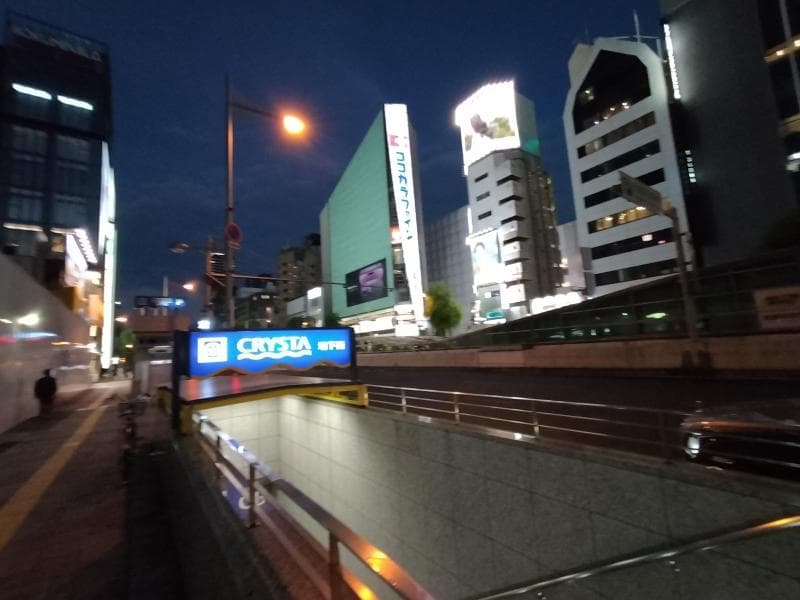
Over centuries, Shinsai's bridge underwent several transformations, evolving from wood to iron and then to Osaka's first stone bridge in 1909, adorned with four-leaf clovers and gas lamps. Although the Nagahori-gawa canal was eventually reclaimed to become a road in 1964, parts of the historic bridge were preserved, with remnants now incorporated into a pedestrian walkway above the Crysta Nagahori underground shopping mall. This evolution from a humble bridge to a bustling commercial artery underscores Shinsaibashi's deep historical roots and its continuous adaptation through Osaka's development.
What Makes It Special
What truly sets Shinsaibashi apart is its compelling mix of the old and the new, where tradition meets contemporary style. The covered Shinsaibashi-suji arcade, a 'shotengai,' provides a comfortable shopping experience regardless of weather, making it an ideal destination year-round. Within its confines, visitors can find a vast array of establishments, from large department stores like Daimaru and Parco, offering luxury brands and high-end fashion, to smaller, unique boutiques and budget-friendly shops selling cosmetics, character goods, and local specialties.
Beyond the main arcade, Shinsaibashi extends into distinctive sub-districts. To the west, Amerika-mura, or 'American Village,' is a hub for youth culture and alternative fashion, filled with vintage clothing stores, independent record shops, and quirky cafes. This area offers a stark yet complementary contrast to the polished main street, showcasing Osaka's diverse and dynamic cultural landscape. The district's culinary scene is equally rich, with countless eateries ranging from street food stalls offering Osaka's famous takoyaki and okonomiyaki, to upscale restaurants and charming cafes.
Stories, Fun Facts & Local Details
The very name Shinsaibashi holds a story of civic-mindedness, stemming from merchant Shinsai Okada's initiative to build the original bridge in the 17th century. The stone bridge that later replaced the iron version was affectionately nicknamed the 'Eyeglasses bridge' by locals due to the reflection of its two arches in the canal water. A piece of cinematic history is also tied to the area, as the stone bridge was featured in Ridley Scott's 1989 Hollywood film 'Black Rain'.
Shinsaibashi is not merely a shopping destination but a living representation of Osaka's vibrant urban energy. Tens of thousands of people traverse its streets daily, with numbers soaring on weekends and holidays, creating a lively human tapestry. This bustling environment has even found its way into popular culture, with areas like Dotonbori (often associated with Shinsaibashi) being recognizable backdrops in video games like the 'Yakuza' series and various anime. The constant interplay between high-end fashion and street culture, ancient history and modern trends, defines the unique spirit of Shinsaibashi.
Visitor Perspective
For visitors, Shinsaibashi offers an immersive experience, inviting them to dive into the heart of Osaka's urban charm. Walking through the Shinsaibashi-suji arcade is a sensory journey, with colorful signs, the aroma of street food, and the lively chatter of shoppers filling the air. It's a place where one can spend hours browsing, discovering everything from global brands to unique Japanese crafts and souvenirs.
The district is well-connected by public transport, with Shinsaibashi Station providing easy access, and it's also within walking distance of other major areas like Namba and Dotonbori. While weekdays are generally quieter, weekends bring a particularly festive and crowded atmosphere. Whether you're seeking a fashion statement, a culinary adventure, or simply a deep dive into Osaka's dynamic urban culture, Shinsaibashi provides an unforgettable slice of Japanese city life.
Coordinates: 135.50031, 34.67511
View on Google Maps💬 How Travelers Describe This Place
Based on community votes
Beautiful
673Photogenic
219Interesting
186Must See
143Unique
80
Traveler Stories
Discover memorable experiences shared by travelers who have visited this place.
No traveler stories yet.
Be the first traveler to share what made this place memorable.
Things to see at Shinsaibashi



Tour
By
Spot
Discover amazing places around the world. Your journey starts here.
Explore
© 2026 TourBySpot. All rights reserved.