Side Streets
Tbilisi, Georgia
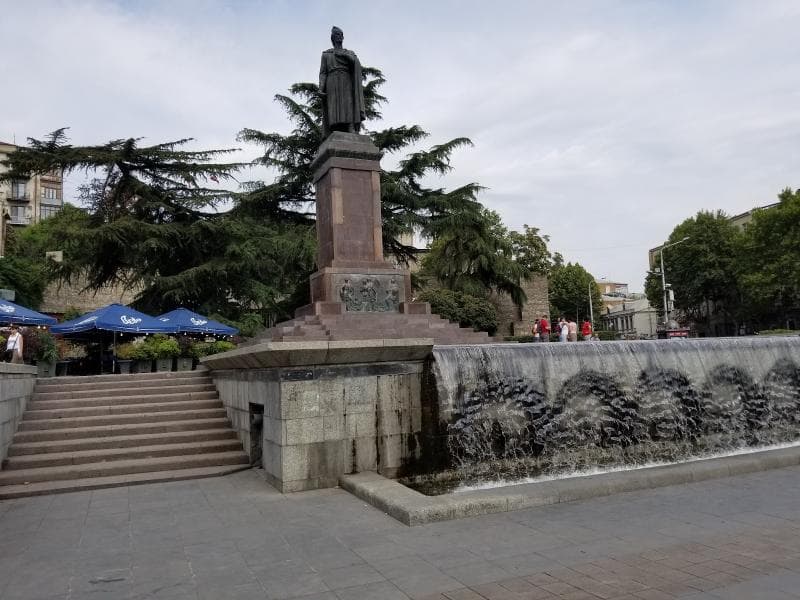
Explore the hidden charm of Side Streets off Rustaveli Avenue in Tbilisi, Georgia. Discover historical courtyards, local culture, and authentic experiences.
Overview
Rustaveli Avenue stands as Tbilisi, Georgia's vibrant main artery, a grand boulevard pulsating with history, culture, and contemporary life. While its impressive monuments and institutional buildings demand attention, the true enchantment for a curious traveler often lies hidden just beyond the main thoroughfare: the captivating 'Side Streets'. These narrower lanes and concealed courtyards offer a profound contrast to the avenue's bustling energy, revealing the city's intimate soul. Stepping into these side streets means leaving behind the grandeur for a more authentic, often quiet, glimpse into Tbilisi's residential charm and everyday rhythms. Here, the city whispers its stories, inviting discovery away from the main spotlight.
History & Cultural Background
Rustaveli Avenue, originally known as Golovin Avenue, emerged in the mid-19th century as part of a grand urban development under Russian rule, designed to Europeanize Tbilisi. It was renamed in 1918 to honor Shota Rustaveli, Georgia's revered medieval poet, signifying a reclaim of Georgian cultural identity. [6, 9, 13] The avenue has been a stage for many pivotal moments in Georgian history, from political protests to declarations of independence, echoing the nation's struggles and triumphs. [6, 13] In stark contrast to the avenue's monumental history, the side streets tell a more personal tale. These alleys and courtyards, especially in areas like Sololaki adjacent to Rustaveli, often date back to the 19th century. [7] They represent the organic growth of a residential city, where architecture reflects a blend of influences, characterized by traditional Georgian elements like wooden balconies and inner courtyards, offering a palpable connection to the past lives of Tbilisians. [7]
What Makes It Special
What sets the side streets of Rustaveli Avenue apart is their profound sense of discovery and the authentic local experience they offer. While the main avenue showcases national institutions like the Parliament, Opera and Ballet Theatre, and museums, the side streets peel back these public layers to reveal private worlds. [2, 17] You'll find 'well-courtyards' tucked behind arched gateways, draped in grapevines and adorned with intricate wooden balconies – a hallmark of 19th-century Tbilisi architecture that remains largely unseen from the main street. [7] These hidden pockets are not merely architectural relics; they are living spaces where residents gather, where quiet cafes and authentic wine bars unexpectedly appear, offering a more intimate interaction with Georgian culture and hospitality. [10]
Stories, Fun Facts & Local Details
One of the most delightful aspects of exploring Rustaveli's side streets is stumbling upon their 'well-courtyards'. These are often described as small, quiet universes behind ornate arched entrances, featuring traditional wooden balconies and verdant grapevines that create a sense of timelessness. [7] Imagine stepping through a seemingly ordinary archway between buildings 22 and 38 on Rustaveli and finding yourself in a peaceful oasis, a world away from the city's pulse. [7] Here, the sounds might shift from the hum of traffic to the gentle rustle of leaves or the distant clatter from a local kitchen. Many of these side streets also house charming, unassuming wine bars where house wine might arrive in unlabeled bottles, inviting a relaxed, authentic Georgian experience, often accompanied by impromptu guitar music late into the night. [10] These are the places where the rich aroma of Georgian coffee mingles with hints of fresh-baked `tonis puri`, revealing the city's daily rhythms. [10]
Visitor Perspective
For the curious traveler, venturing into the side streets off Rustaveli Avenue is an essential part of truly experiencing Tbilisi. It's a chance to slow down, to observe local life unfold, and to connect with the city on a more personal level. Instead of merely walking past grand facades, you're invited to step through them, to uncover unexpected architectural beauty, and to find the small, family-run establishments that embody Georgian warmth. These streets offer respite from the main avenue's pace, providing opportunities to discover unique boutiques, art spaces, and hidden eateries that serve traditional cuisine away from the tourist crowds. [8, 10] It's an exploration that rewards spontaneity, allowing visitors to feel less like observers and more like temporary residents, uncovering the nuanced charm that makes Tbilisi so unforgettable.
Coordinates: 44.7932, 41.6898
View on Google Maps💬 How Travelers Describe This Place
Based on community votes
Interesting
995Unique
964Must See
926Photogenic
730Beautiful
482
Traveler Stories
Discover memorable experiences shared by travelers who have visited this place.
No traveler stories yet.
Be the first traveler to share what made this place memorable.

Tour
By
Spot
Discover amazing places around the world. Your journey starts here.
Explore
© 2026 TourBySpot. All rights reserved.