Side Chapels
Ljubljana, Slovenia
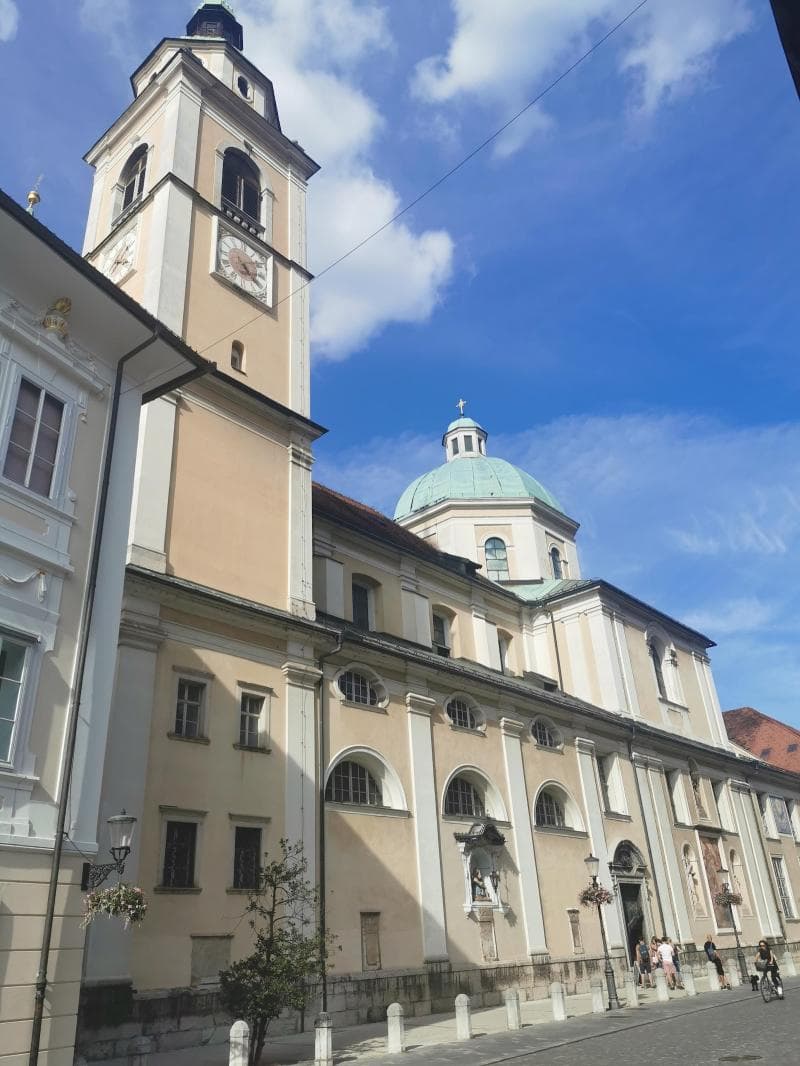
Discover the intricate Side Chapels of St. Nicholas's Cathedral in Ljubljana, Slovenia, a Baroque masterpiece adorned with stunning frescoes and sculptures.
Overview
Stepping into St. Nicholas's Cathedral in Ljubljana, Slovenia, is to enter a realm where art, history, and faith converge. While the grand dome and main altar often capture immediate attention, the cathedral's numerous side chapels offer an equally profound experience. These 'elegant side chapels', numbering around half a dozen, are integral to the Baroque hall church's Latin cross layout, a design conceived by the esteemed Jesuit architect Andrea Pozzo in the early 18th century. Each chapel acts as a miniature museum, adorned with intricate frescoes, sculptures, and altarpieces that tell stories of saints, biblical events, and the rich religious heritage of Slovenia. They provide a more intimate space for reflection and admiration, revealing layers of artistic mastery and spiritual dedication within the larger cathedral structure.
History & Cultural Background
The current St. Nicholas's Cathedral stands on a site that has been a place of worship since 1262, with earlier Romanesque and Gothic churches succumbing to fires in 1361 and 1469. The present Baroque edifice, with its distinctive side chapels, was constructed between 1701 and 1706. This rebuilding marked a significant transformation, moving from a Gothic style to the ornate Baroque, a popular architectural trend of the era. Jesuit architect Andrea Pozzo was instrumental in shaping the new layout, which featured a spacious hall accompanied by these elegant side chapels, arranged in the form of a Latin cross. This design was influenced by other prominent Jesuit churches of the time, such as Il Gesù and S. Ignazio in Rome, signaling a deliberate shift towards a grander, more visually impactful worship space. The creation of these chapels was not merely an architectural choice but a cultural statement, reflecting the growing religious needs and artistic aspirations of Ljubljana in the early 18th century.
What Makes It Special
The side chapels of St. Nicholas's Cathedral are truly special due to the sheer concentration and quality of their artistic adornment. Described as being 'full of works of art' and 'slathered in frescoes and paintings from the 1700s', these spaces offer a visual feast for visitors. Many walls and ceilings are covered in vibrant frescoes by masters like Giulio Quaglio, whose works in the cathedral date from 1703-1706 and 1721-1723. These frescoes often depict scenes from the lives of the saints to whom individual chapels are dedicated, such as the St. Saviour chapel illustrating scenes from Christ's life. Beyond the paintings, visitors can admire exquisitely sculpted altars. Notable among these are the altar angels by the renowned sculptor Francesco Robba, located in the left part of the nave, and those by the brothers Paolo and Giuseppe Groppelli in the right part. The combination of illusionistic frescoes and detailed sculptures creates a deeply immersive and awe-inspiring environment, typical of the high Baroque style.
Stories, Fun Facts & Local Details
Each side chapel within St. Nicholas's Cathedral holds its own unique narrative, adding layers to the cathedral's rich tapestry of stories. For instance, the chapels are dedicated to various saints, including the Holy Trinity, St. Andrew, St. George, St. Saviour, St. Barbara, and St. Mary Magdalene. One particularly interesting chapel is the Holy-Cross Chapel, which houses an old Gothic cross. This cross was notably renovated by the celebrated Slovenian architect Jože Plečnik, a figure whose architectural legacy is deeply interwoven with the fabric of Ljubljana. This detail connects the Baroque splendor with a touch of medieval history and a nod to modern Slovenian design. Furthermore, some visitors have observed the presence of modern sculpted busts of Pope Francis within the side chapels, each individually designed, offering a contemporary layer to the historical artistry and reflecting the ongoing spiritual life of the cathedral. These smaller, often overlooked details contribute to the emotional and cultural depth of a visit, allowing a curious traveler to uncover personal connections and local anecdotes beyond the grand narrative.
Visitor Perspective
For the traveler, exploring the side chapels of St. Nicholas's Cathedral is an exercise in discovery and wonder. Moving from the main nave into these smaller, more focused areas, one is enveloped by a different atmosphere – perhaps more intimate, yet equally, if not more, visually stimulating. The sheer volume of detail, from the vibrant colors of the frescoes that cover every surface to the intricate carvings of the altars, demands closer inspection. As you wander through, you might find yourself pausing, captivated by the dramatic storytelling depicted in a fresco or the serene expression on a sculpted figure. The chapels offer a tangible connection to centuries of faith and artistic endeavor in Ljubljana. They invite you to slow down, absorb the quiet reverence, and appreciate the craftsmanship that has endured for hundreds of years. It's a journey into the heart of Slovenian Baroque art, leaving visitors with a lasting impression of beauty, history, and spiritual depth.
Coordinates: 14.50778, 46.05056
View on Google Maps💬 How Travelers Describe This Place
Based on community votes
Photogenic
639Unique
421Interesting
366Must See
298Beautiful
212
Traveler Stories
Discover memorable experiences shared by travelers who have visited this place.
No traveler stories yet.
Be the first traveler to share what made this place memorable.

Tour
By
Spot
Discover amazing places around the world. Your journey starts here.
Explore
© 2026 TourBySpot. All rights reserved.