Side Chapels
Hanoi, Vietnam
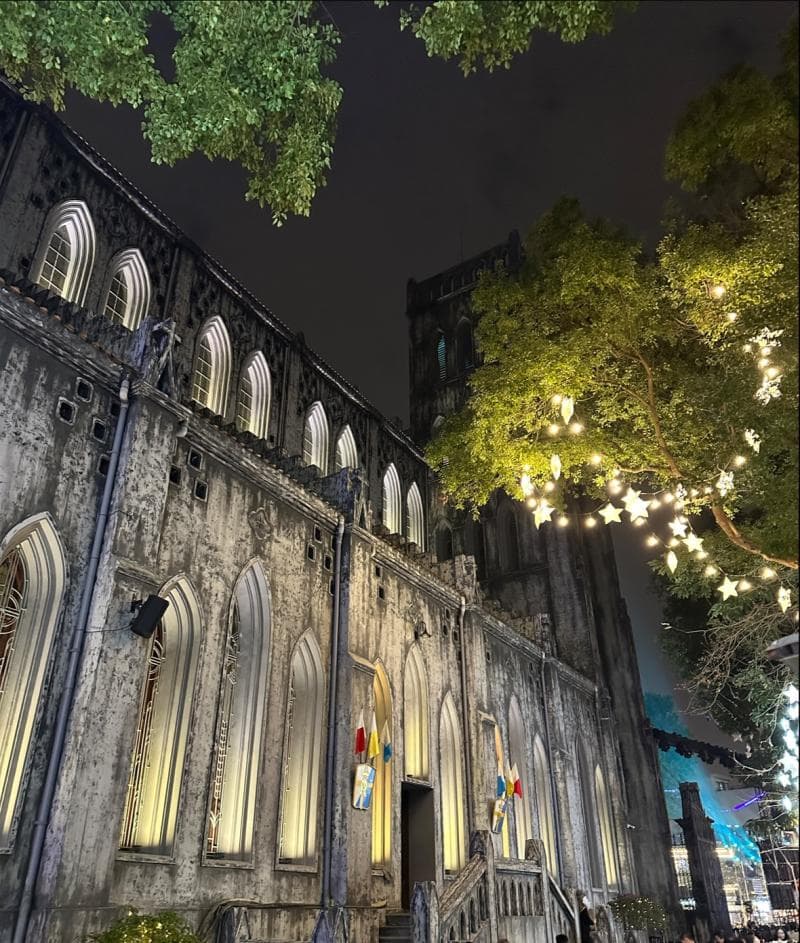
Explore the side chapels of St. Joseph's Cathedral in Hanoi, Vietnam, where Gothic architecture blends with Vietnamese artistry. Discover its rich history and cultural fusion.
Overview
Stepping into St. Joseph's Cathedral in Hanoi offers a captivating journey back in time, where French colonial grandeur meets Vietnamese cultural essence. Among its many architectural delights, the side chapels stand as intimate sanctuaries, integral to the cathedral's spiritual and artistic fabric. These smaller devotional spaces, often overlooked in the shadow of the main altar, reveal intricate craftsmanship and tell stories of faith and artistic fusion that are central to the cathedral's identity. They invite quiet contemplation and offer a deeper appreciation for the sacred artistry housed within this iconic Hanoi landmark.
History & Cultural Background
St. Joseph's Cathedral, known locally as Nha Tho Lon Ha Noi, was completed in 1886 under French colonial administration, making it Hanoi's oldest surviving Catholic church. Its construction began in 1884, designed in a striking Gothic Revival style consciously modelled on Paris's Notre-Dame Cathedral. This architectural marvel was built on the site of the former Báo Thiên Pagoda, a revered Buddhist temple from the Ly-Tran Dynasties, a decision that underscored the assertion of colonial and religious power during that era. The cathedral stands as a testament to over a century of change, witnessing Vietnam's tumultuous history while remaining a steadfast beacon for the local Catholic community. Its design incorporates traditional Vietnamese materials and Western techniques, featuring handmade terracotta bricks bonded with traditional mortar, showcasing an early blend of East and West in its very construction.
What Makes It Special
Beyond its imposing twin bell towers and neo-Gothic facade, it's the interior details that truly distinguish St. Joseph's Cathedral, particularly its side chapels. While the overall appearance draws heavily from European Gothic styles with pointed arches and stained-glass windows, the side chapels present a unique synthesis of cultures. They feature intricately carved wooden decorations, often with delicate and unique gilded wood details, which showcase traditional Vietnamese folk artistry. This fusion reflects a profound cultural exchange, marrying Western religious iconography with local aesthetic sensibilities. These intimate spaces offer visitors a chance to observe this blend firsthand, where the solemnity of Gothic architecture meets the warmth and detailed craftsmanship characteristic of Vietnamese art.
Stories, Fun Facts & Local Details
The side chapels, much like the cathedral itself, are not merely relics of the past; they are living spaces that resonate with the daily lives of Hanoi's Catholic community. During Mass times, especially on Sundays, these chapels contribute to the spiritual atmosphere as the faithful fill the cathedral, sometimes even spilling out onto the streets as prayers and hymns are broadcast. The entire cathedral area, including the spaces surrounding the side chapels, becomes a hub of activity and devotion. A fun local detail is the vibrant street life that flourishes around the cathedral, including the famous 'lemon tea culture' (tra chanh). Locals and visitors alike gather in the evenings in the square in front of the cathedral and the surrounding streets, enjoying refreshing drinks and soaking in the unique atmosphere, making the cathedral not just a spiritual center but also a lively social anchor in the Old Quarter.
Visitor Perspective
Visiting the side chapels within St. Joseph's Cathedral offers a moment of serene escape from the bustling energy of Hanoi. As you step inside, the shift in ambiance is palpable; the cool, quiet interior provides a space for reflection. The soft light filtering through the windows, combined with the detailed wooden altarpieces and statues in the side chapels, creates an atmosphere of peaceful reverence. Although interior access is often restricted to Mass times, those who enter can experience the cathedral as an active place of worship rather than just a monument. It's a chance to witness the faith of the local community and to appreciate the architectural and artistic heritage up close. The side chapels, with their unique blend of East-meets-West aesthetics, are essential stops for any curious traveler wishing to understand the full depth of St. Joseph's Cathedral's historical and cultural significance.
Coordinates: 105.84889, 21.02861
View on Google Maps💬 How Travelers Describe This Place
Based on community votes
Interesting
685Unique
446Photogenic
399Must See
152Beautiful
33
Traveler Stories
Discover memorable experiences shared by travelers who have visited this place.
No traveler stories yet.
Be the first traveler to share what made this place memorable.

Tour
By
Spot
Discover amazing places around the world. Your journey starts here.
Explore
© 2026 TourBySpot. All rights reserved.