Side Chapels
Vienna, Austria
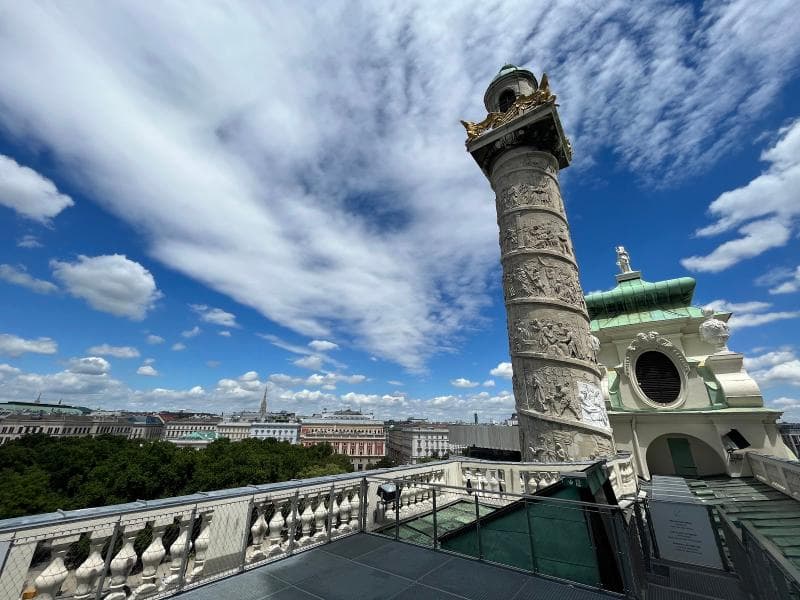
Discover the art and history of Karlskirche's Side Chapels in Vienna, Austria. Explore Baroque masterpieces by Gran, Ricci, and Altomonte.
Overview
Stepping into the Karlskirche in Vienna, a masterpiece of Baroque architecture, is an experience that extends beyond its impressive main dome and altar. Integral to its grandeur and spiritual atmosphere are the magnificent Side Chapels, often overlooked but equally rich in artistic detail and historical significance. These chapels offer intimate spaces for contemplation and showcase the incredible talent of some of the era's most renowned artists. Each chapel contributes to the church's overarching narrative of faith and gratitude, presenting a harmonious blend of sculpture, painting, and architectural design that invites visitors to delve deeper into the spiritual and artistic heart of this Viennese landmark.
Far from being mere auxiliary spaces, the side chapels are meticulously crafted extensions of the main sanctuary, each a treasure trove of Baroque artistry. Their purpose is both aesthetic and spiritual, providing areas for personal reflection and veneration away from the main congregational space. Observing these chapels up close reveals the intricate details and masterful execution that might be missed in the broader sweep of the church's vast interior, making them essential stops for any curious traveler.
History & Cultural Background
The Karlskirche, or St. Charles's Church, was commissioned by Emperor Charles VI in 1713 as a votive offering after Vienna was spared from the last major plague epidemic. This profound act of gratitude shaped the entire architectural and iconographical program of the church, including its side chapels. Designed primarily by Johann Bernhard Fischer von Erlach and completed by his son, Joseph Emanuel Fischer von Erlach, the church embodies the imperial Viennese Baroque style, known as 'Kaiserstil'.
The construction, which began in 1716 and concluded in 1737, was a monumental undertaking reflecting the religious fervor and artistic flourishing of the time. The choice of Saint Charles Borromeo, revered as a healer during plague outbreaks, as the patron saint underscored the church's dedication to protection and divine intercession. This profound historical context imbues every part of the church, including the side chapels, with a sense of solemnity and hope. The chapels, therefore, are not isolated artistic displays but rather vital components of a larger architectural narrative, each one echoing the imperial vow and the city's deliverance. They served as places where the faithful could offer their own prayers and devotions, linking their personal experiences to the grand narrative of the imperial city.
What Makes It Special
The side chapels of Karlskirche are particularly special due to the exceptional quality and diversity of their artistic embellishments. While the main altarpiece commands attention, the chapels boast artworks that are 'just as beautiful'. They feature impressive altar paintings and frescoes by prominent Baroque artists such as Daniel Gran, Sebastiano Ricci, Martino Altomonte, and Jakob van Schuppen.
Daniel Gran, known for his masterful frescoes, contributed significantly to these smaller spaces, showcasing his restrained yet impactful style that foreshadowed classicism. These works often depict scenes from the lives of saints, offering vivid visual narratives that complement the church's primary dedication. Additionally, one might encounter a remarkable wooden statue of St. Anthony by Josef Josephu, further enriching the chapels' artistic tapestry.
The interior design of the chapels is characterized by marble with a careful application of gold leaf, creating an atmosphere of opulent reverence without overwhelming the senses. The architectural grouping and the skillful direction of light within these spaces enhance the artistic impact, drawing the eye towards the sacred imagery and fostering a sense of spiritual upliftment. Each chapel, distinct in its specific iconography and artistic expression, contributes collectively to the overall grandeur and the unique 'world history of architecture' that the Karlskirche represents.
Stories, Fun Facts & Local Details
While the Karlskirche itself is steeped in the grand narrative of Emperor Charles VI's vow against the plague, the side chapels offer more intimate stories through their dedicated artworks. For instance, the frescoes and altar paintings often depict the miracles and virtuous deeds of various saints, providing parishioners with inspiring examples of faith and piety. Imagine the countless prayers whispered and hopes silently expressed within these walls over centuries. The specific choice of saints and themes in each chapel likely reflected particular devotions popular among the Viennese populace at the time, or perhaps those personally favored by noble benefactors.
The meticulous craftsmanship seen in the carving of a wooden statue like St. Anthony by Josef Josephu suggests a personal connection and deep devotion from the artists. These smaller, enclosed spaces provide a contrast to the expansive main nave and dome, fostering a sense of quiet introspection. They are reminders that even within monumental Baroque statements, there are pockets designed for individual spiritual experience and connection. The subtle interplay of marble and gold, and the way light interacts with the surfaces, creates a dramatic yet reverent setting, encouraging a pause for reflection and admiration of the artistic skill.
Visitor Perspective
For the curious traveler, exploring the Side Chapels of Karlskirche is an essential part of understanding the full scope of this architectural marvel. As you wander from the main altar, dedicate time to step into each of these smaller sanctuaries. You will find that these chapels offer a different kind of experience than the breathtaking scale of the central dome. They are more intimate, allowing for a closer appreciation of the intricate Baroque details and the masterful brushstrokes of artists like Daniel Gran and Sebastiano Ricci.
Notice the deliberate use of light and the rich textures of marble and gold, which combine to create a sense of solemn beauty. Each chapel has its own distinct character and artistic focus, providing a journey through various themes of faith and artistry. It is in these quiet spaces that one can truly feel the emotional weight of the church's origins – a monument built out of gratitude and hope. Take a moment to absorb the artistry, reflect on the history, and perhaps even offer a silent thought, just as generations of Viennese have done before you. The side chapels are not just architectural features; they are portals to the past, offering a profound and personal encounter with Vienna's rich cultural and spiritual heritage.
Coordinates: 16.3719, 48.198281
View on Google Maps💬 How Travelers Describe This Place
Based on community votes
Beautiful
951Unique
491Must See
427Interesting
414Photogenic
277
Traveler Stories
Discover memorable experiences shared by travelers who have visited this place.
No traveler stories yet.
Be the first traveler to share what made this place memorable.

Tour
By
Spot
Discover amazing places around the world. Your journey starts here.
Explore
© 2026 TourBySpot. All rights reserved.