Side Alleys
Dubrovnik, Croatia
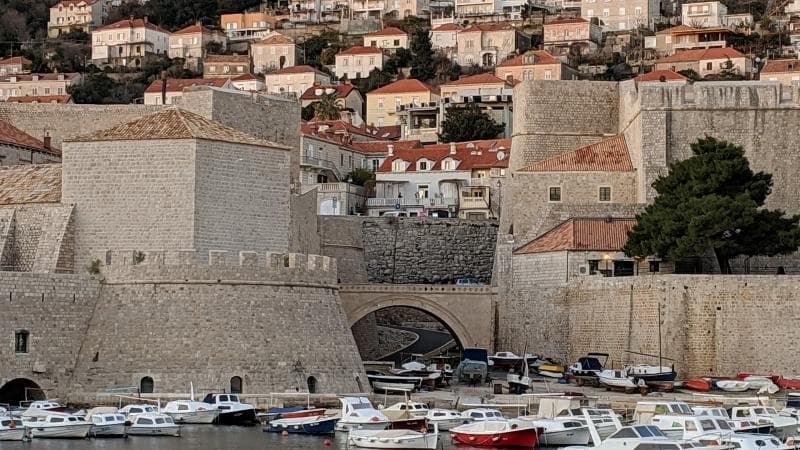
Explore Dubrovnik's enchanting Side Alleys off Stradun, Croatia. Discover hidden history, local life, and unique architecture in the Old Town's narrow lanes.
Overview
Stepping off the gleaming limestone of Stradun, Dubrovnik's main thoroughfare, and into its 'Side Alleys' – locally known as 'kale' – offers a profound shift in atmosphere. While Stradun, officially named Placa, is a grand 300-meter-long pedestrian street stretching between the Pile and Ploče Gates, these narrow, often stepped, passages are its intimate counterparts, running perpendicularly into the heart of the Old Town. They are not merely shortcuts but vibrant arteries that pulse with the everyday life and hidden history of this UNESCO World Heritage city. The side alleys are where the true, unvarnished character of Dubrovnik reveals itself, away from the bustling main promenade.
These labyrinthine lanes invite exploration, leading curious travelers away from the prominent landmarks and into a more personal experience of the city. You might find laundry fluttering overhead, cats sunbathing on windowsills, or the quiet murmur of local conversations. Unlike the uniform Baroque facades of Stradun, the alleys present a charming irregularity, with glimpses into hidden courtyards, small churches, and unexpected vistas.
History & Cultural Background
The very existence of Stradun and its side alleys is rooted in Dubrovnik's unique geological and historical formation. Originally, the area now occupied by Stradun was a marshy sea channel, separating the island settlement of Ragusa from the mainland settlement of Dubrava. In the 11th and 12th centuries, this channel was filled in, unifying the two settlements and laying the foundation for what would become the Republic of Ragusa. Stradun was paved with limestone in 1468.
The current appearance of Stradun, and by extension, the architectural style of many of its adjacent alleys, was largely shaped by the devastating earthquake of 1667. This catastrophe destroyed most of the city, leading to strict building regulations during reconstruction. These laws mandated a uniform Baroque style for buildings along the main street, with ground floors reserved for commercial spaces and living quarters above. However, the side alleys, while influenced, often retained or developed their own unique character, offering a more organic and less rigidly planned glimpse into earlier periods and daily life. Some alleys even have visible pockmarks from the 1991-1992 siege, a stark reminder of more recent history.
What Makes It Special
What truly sets the side alleys apart from the grand Stradun is their ability to transport visitors to a different era and pace of life. While Stradun showcases the Republic's wealth and structured urban planning, the 'kale' offer a raw, intimate look at its residential and artisan life. They are often steep, featuring countless stone steps, which not only serve a practical purpose in a city built on a gradient but also contribute to their unique charm and challenge.
Exploring these alleys means discovering a network of passages that were once home to specific trades, like Garište Alley, the blacksmith's quarter, where the name itself refers to 'burned place' from the old forges. Od Puča Street, running parallel to Stradun, was once the domain of Dubrovnik's merchants. These streets whisper stories of the past through their architecture and the traditions they still host, such as artisan shops selling handcrafted jewelry. The very layout of these medieval streets was innovative for its time, designed for better ventilation, drainage, and sanitation, helping the city avoid plagues that ravaged other European towns.
Stories, Fun Facts & Local Details
Locals often refer to the side alleys as 'kale', a term that encapsulates their winding, sometimes hidden nature. They are integral to the city's living fabric, not just historical relics. It's in these alleys that you'll find small shrines or niches built into walls, which once served as crucial landmarks in a city where street signs were uncommon. The cats of Dubrovnik are often considered the true guides of these hidden passages, frequently leading to secret courtyards.
One interesting local detail is how the buildings on Stradun were designed with specific functions for each floor after the 1667 earthquake: the ground floor for commerce, the first for main living quarters, the second for bedrooms, and the attic for kitchens and utility rooms to contain fires. The side entrances to large storage areas were often located on these adjacent side streets. This insight highlights how closely integrated Stradun was with its smaller companions. Even today, you can find quieter cafes and restaurants nestled in these 'kale', often at noticeably lower prices than those on the main street.
Visitor Perspective
For the curious traveler, venturing into Dubrovnik's side alleys is an essential part of experiencing the city's soul. It's a pedestrian-only zone, so comfortable footwear is a must, especially given the many steps and the notoriously slippery limestone, which has been polished smooth by centuries of footsteps. The best times to explore are early mornings or evenings, when the crowds thin out, allowing for a more serene appreciation of the architecture and ambiance.
These alleys provide a stark contrast to the grandeur of Stradun, offering quiet moments and unexpected discoveries. From glimpses of local laundry lines to the subtle differences in stonework indicating past family wealth, every corner holds a story. It's an opportunity to connect with the city's history and its present-day residents, moving beyond the main tourist routes to find the authentic pulse of Dubrovnik. Many consider the Old Town's character to truly live in these narrower passages, making them a rewarding exploration for any visitor.
Coordinates: 18.10897, 42.64136
View on Google Maps💬 How Travelers Describe This Place
Based on community votes
Must See
948Beautiful
913Photogenic
499Unique
337Interesting
94
Traveler Stories
Discover memorable experiences shared by travelers who have visited this place.
No traveler stories yet.
Be the first traveler to share what made this place memorable.

Tour
By
Spot
Discover amazing places around the world. Your journey starts here.
Explore
© 2026 TourBySpot. All rights reserved.