Shinobazu Pond
Tokyo, Japan
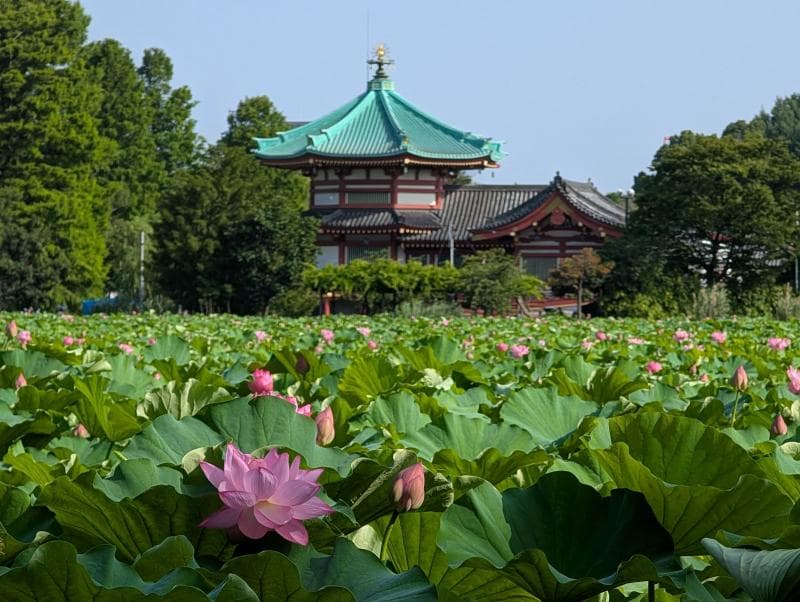
Discover Shinobazu Pond in Ueno Park, Tokyo, Japan. Explore its lotus, boat, and cormorant sections, Benten-do Temple, and rich history.
Overview
Shinobazu Pond, nestled within the expansive Ueno Park in Tokyo, Japan, offers a tranquil escape from the city's vibrant pace. This large natural pond is a beloved green oasis, celebrated for its seasonal beauty and serene atmosphere. It is distinctly divided into three main sections: the Lotus Pond, the Boat Pond, and the Cormorant Pond, each presenting a unique charm to visitors. At its heart lies Benten Island, home to the picturesque Benten-do Temple, which adds a spiritual and historical dimension to the landscape. Shinobazu Pond serves as both a vibrant natural habitat and a peaceful retreat, drawing in nature lovers, photographers, and those seeking a moment of calm amidst the urban sprawl.
History & Cultural Background
The origins of Shinobazu Pond stretch back millennia, having once been a cove of Tokyo Bay in the Jōmon period. Over centuries, as the sea receded, it transformed into the freshwater pond seen today, retaining vestiges of its marshy past. Its name is believed to derive from 'Shinobugaoka', the old name for the Ueno plateau, or perhaps from 'Shinowazu', an early name linked to bamboo grass, with another theory suggesting it refers to young lovers meeting secretly.
Its cultural significance deepened in 1625 when the Edo shogunate established the Kan'ei-ji temple complex on this site. The pond became an integral part of this grand design, with its central island and Benten-do Temple specifically modeled after Chikubushima Island in Lake Biwa, an important spiritual site near Kyoto. This intentional replication created a symbolic landscape intended to protect Edo Castle from the unlucky northeastern direction. The original Benten-do Temple, part of Kan'ei-ji, was rebuilt in 1958 after its destruction during World War II, though the enshrined statue of Benzaiten remarkably survived. During the war, the pond itself saw an unusual transformation, being drained and converted into rice paddies to support the war-ravaged city, a testament to its enduring connection to the lives of Tokyo's residents.
What Makes It Special
Shinobazu Pond's unique appeal lies in its dynamic seasonal transformations and its distinct sections. The Lotus Pond is arguably its most famous feature, blanketed with lush green leaves and vibrant pink and white lotus flowers during the summer months, typically from July to August. These sacred flowers, symbolizing purity and renewal in Buddhist and Hindu cultures, open early in the morning and close by noon, making an early visit essential for the most breathtaking views.
In spring, the pond is framed by beautiful cherry blossoms from the surrounding Ueno Park trees, creating a stunning pink canopy perfect for a leisurely stroll or boat ride. The Boat Pond offers a different kind of enjoyment, with various rental boats—rowboats, pedal boats, and even whimsical swan boats—allowing visitors to experience the scenery from the water, often with glimpses of the Tokyo Skytree in the distance. The Cormorant Pond, part of the Ueno Zoo, is a designated wildlife protection area, attracting over 100 species of birds, including migratory waterfowl, especially in winter, making it a haven for birdwatchers.
Stories, Fun Facts & Local Details
Beyond its natural beauty, Shinobazu Pond is rich in stories and intriguing details. The Benten-do Temple on its central island is dedicated to Benzaiten, the goddess of everything that flows, including music, arts, water, and wealth. This octagonal hall allows worship from any direction and houses unique monuments around its grounds, such as memorials for knives ('hochozuka') and eyeglasses ('megane-no-hi'), where people symbolically bury personal belongings, reflecting a deeper cultural respect for tools and professions.
Historically, the pond was once the site of a horse racing track in the late 19th century, with races attended by the Emperor. It has also served as inspiration for numerous Japanese artworks, including ukiyoe woodblock prints by famous artists like Hiroshige and Hokusai. More recently, it has even appeared in the popular Japanese manga series 'Kochikame', adding a touch of contemporary pop culture charm. A peculiar fact is the presence of non-native alligator snapping turtles, which have established a breeding population in the pond, making it an unexpected ecological point of interest. The pond also hosts annual events like the Ueno Summer Festival, featuring traditional lantern-floating ceremonies ('Toro Nagashi') to guide ancestral spirits during Obon season.
Visitor Perspective
Shinobazu Pond provides a multi-sensory experience for visitors. A leisurely circuit around its roughly two-kilometer circumference offers ever-changing vistas, from dense lotus fields to serene waterways and glimpses of the urban skyline. Early mornings are particularly rewarding, offering cooler temperatures and fewer crowds, perfect for watching the lotus flowers open or observing migratory birds. Boat rentals provide a fun and active way to appreciate the pond's beauty, offering a unique perspective of the surrounding park and city. It's a place where you can see locals jogging, couples on romantic boat rides, and photographers capturing its tranquil essence. With no admission fee and easy accessibility from Ueno Station, Shinobazu Pond seamlessly integrates into an exploration of Ueno Park's many cultural institutions, making it an ideal spot for reflection, nature appreciation, and cultural immersion in the heart of Tokyo.
Coordinates: 139.7691, 35.7066
View on Google Maps💬 How Travelers Describe This Place
Based on community votes
Photogenic
524Interesting
480Beautiful
152Unique
118Must See
88
Traveler Stories
Discover memorable experiences shared by travelers who have visited this place.
No traveler stories yet.
Be the first traveler to share what made this place memorable.

Tour
By
Spot
Discover amazing places around the world. Your journey starts here.
Explore
© 2026 TourBySpot. All rights reserved.