Shichahai
Beijing, China
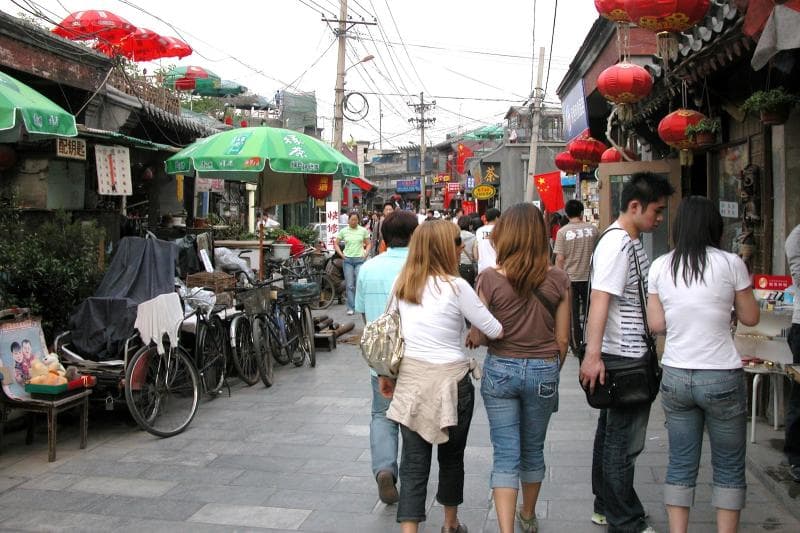
Explore Shichahai in Beijing, China, a historic scenic area with interconnected lakes, ancient hutongs, and vibrant cultural landmarks. Discover its rich history and charm.
Overview
Shichahai, nestled within the historic Hutongs of Beijing, China, is a captivating scenic area that harmoniously blends natural beauty, profound history, and vibrant local life. It comprises three interconnected lakes: Qianhai (Front Lake), Houhai (Back Lake), and Xihai (West Lake). More than just a picturesque waterscape, Shichahai is a living museum, offering a glimpse into the heart of old Beijing with its ancient alleyways, traditional courtyard houses, and a palpable sense of timelessness. Declared a 'Historical and Cultural Scenic Area' by the Beijing municipal government in 1992, it stands as one of the city's most significant cultural preservation sites.
History & Cultural Background
The story of Shichahai stretches back over 700 years, with its origins traceable to the Jin Dynasty (1115–1234). During the Yuan Dynasty (1271–1368), this area gained immense strategic and commercial importance as it became the northernmost terminal point of the Great Canal, a vital waterway linking Beijing to southern China. This period saw Shichahai flourish into a bustling commercial district, serving as a crucial water source for the city and a hub for various activities. The name 'Shichahai' itself, meaning 'Ten Temples Lake,' reflects its spiritual significance and the numerous Buddhist and Taoist temples that once adorned its shores. As centuries passed, particularly during the Ming Dynasty (1368–1644), its role shifted from a major transportation hub to a serene leisure spot, where residents could enjoy lakeside promenades and admire the scenery. This evolution solidified Shichahai's identity as a place for both spiritual reflection and communal recreation, attracting officials and celebrities who built mansions and temples in the area.
What Makes It Special
What truly sets Shichahai apart is its unique fusion of elements: tranquil lakes, winding hutongs, and a rich tapestry of historical landmarks, all within the bustling capital. The area offers an authentic taste of 'Old Beijing,' with its grey-brick walls and red-painted doors whispering stories of dynasties past. Prominent sites include the magnificent Prince Gong's Mansion, once home to a powerful Qing official, and the Former Residence of Soong Ching-ling, offering a peek into aristocratic life and revolutionary history. The imposing Bell and Drum Towers, which once announced the time, stand nearby. The historic Yinding Bridge, also known as 'Silver Ingot Bridge,' gracefully spans the waters, separating Qianhai and Houhai, and offers breathtaking views, especially at sunset. Just off the lakes, Yandai Xiejie, or 'Skewed Tobacco Pouch Street,' is one of Beijing's oldest commercial hutongs, famed for its unique shape and traditional shops. Shichahai transforms with the seasons: in summer, visitors can enjoy boat rides on the lotus-covered lakes, while in winter, the frozen lakes become a popular natural ice rink. As evening falls, the area around Houhai awakens with a vibrant nightlife, where traditional tea houses give way to lively bars and restaurants, creating a dynamic blend of tradition and modernity.
Stories, Fun Facts & Local Details
Shichahai is brimming with stories and local charm. The saying 'A single Prince Gong Mansion holds half of Qing dynasty history' alludes to the opulence and significance of Prince Gong's former residence. Yandai Xiejie earned its name from the street's crooked shape, resembling a long-stemmed pipe, and its historical role as a marketplace for such pipes. This street is sometimes referred to as the 'First Commercial Street of China,' showcasing its enduring mercantile heritage. Locals continue to embrace the lakes as a daily part of life, often seen fishing, playing chess, or practicing tai chi along the willow-fringed shores, embodying a genuine community spirit. The area is affectionately known as 'the water town in the north,' a nod to its unique aquatic landscape within Beijing. Exploring the hutongs via a traditional rickshaw tour offers not just a ride, but a narrative journey, with pullers often sharing insights and tales of the area's history and traditions, connecting travelers with the city's living heritage. Visitors can also savor authentic Old Beijing snacks from long-standing establishments that have perfected their recipes over generations.
Visitor Perspective
For a traveler, Shichahai offers an immersive experience into Beijing's past and present. The best times to visit are during spring (April–May) and autumn (September–October) for mild weather and picturesque scenery, or at dusk to capture the lakes bathed in golden light, before the nightlife ignites. Exploring the area on foot is highly recommended, allowing one to wander through the ancient hutongs and discover hidden courtyards, though comfortable shoes are a must due to uneven cobblestones. Bicycle rentals offer another popular way to navigate the narrow alleyways and lakeside paths. Rickshaw tours provide a nostalgic and informative journey, often including stops at historical mansions and tea houses. By day, the atmosphere is generally serene, perfect for quiet contemplation or leisurely exploration of cultural sites. As night falls, particularly around Houhai, the area transforms into a lively hub with illuminated bars and restaurants reflecting on the water, offering a different, energetic side of Shichahai. It's important for international visitors to remember to carry their passports, as ID scans are often required for security checks at public places and tourist attractions across China.
Coordinates: 116.37417, 39.9325
View on Google Maps💬 How Travelers Describe This Place
Based on community votes
Photogenic
996Must See
953Beautiful
658Interesting
585Unique
69
Traveler Stories
Discover memorable experiences shared by travelers who have visited this place.
No traveler stories yet.
Be the first traveler to share what made this place memorable.

Tour
By
Spot
Discover amazing places around the world. Your journey starts here.
Explore
© 2026 TourBySpot. All rights reserved.