Sentosa Island
Singapore, Singapore
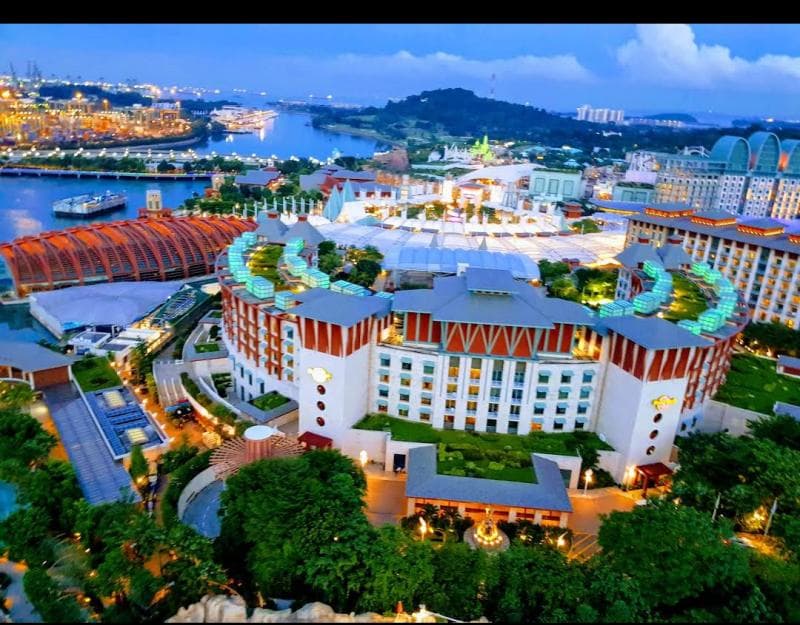
Discover Sentosa Island, Singapore's vibrant resort getaway. Explore its rich history, thrilling attractions, and tranquil beaches for an unforgettable experience.
Overview
Sentosa Island, often dubbed 'The State of Fun', is a vibrant island resort situated off the southern coast of Singapore's main island. Spanning approximately 500 hectares, this destination seamlessly blends lush tropical rainforests, golden sandy beaches, and world-class attractions into an integrated leisure experience. It is a magnet for millions of visitors annually, offering a diverse array of activities from thrilling theme parks to tranquil nature walks.
Separated from the mainland by Keppel Harbour, Sentosa is managed by the Sentosa Development Corporation (SDC), which has overseen its transformation into a premier tourist destination since the 1970s.
History & Cultural Background
Before its current identity as a leisure paradise, Sentosa held a significantly different, and at times, somber history. The island was historically known as Pulau Blakang Mati, a Malay name often translated as 'Island of Death Behind' or 'Island of the Dead'. Accounts vary regarding the origin of this ominous name, some suggesting it refers to past piracy and bloodshed, while others link it to a 'paradise' for 'warrior spirits'.
During the 19th century, Pulau Blakang Mati became a strategic military outpost for the British Empire, protecting the vital passage into Keppel Harbour. Fortifications such as Fort Siloso, Fort Serapong, and Fort Connaught were constructed, making it a crucial component of 'Fortress Singapore'. During World War II, the island served as a Japanese prisoner-of-war camp following Singapore's fall, and it was a site for tragic events like the Sook Ching massacre.
In the late 1960s, with Singapore striving to boost its tourism industry, a competition was held to rename Pulau Blakang Mati. The name 'Sentosa' was chosen, meaning 'peace and tranquility' in Malay, derived from the Sanskrit word 'Santosha', signifying 'contentment' or 'satisfaction'. This renaming in 1970 marked a pivotal moment, signaling the island's transition from a military base with a dark past to a hopeful future as a recreational haven.
What Makes It Special
Sentosa stands out due to its unique blend of historical sites, natural landscapes, and cutting-edge entertainment. It has evolved into an integrated resort, home to a wide range of attractions that cater to diverse interests.
- Universal Studios Singapore: This renowned theme park offers seven movie-themed zones with exhilarating rides, shows, and character meet-and-greets, making it a highlight for many visitors.
- S.E.A. Aquarium: One of the world's largest oceanariums, it houses over 100,000 marine animals across 1,000 species, providing an immersive underwater experience.
- Fort Siloso: As Singapore's only preserved coastal fort, it offers a tangible link to the island's military past, with restored structures and exhibits providing insights into wartime history.
- Beautiful Beaches: Sentosa boasts 3.2 kilometers of sandy beaches, including Siloso, Palawan, and Tanjong, perfect for relaxation or beachside activities.
- Natural Beauty: Despite its developed nature, approximately 70% of the island is covered by rainforest, serving as a habitat for various flora and fauna, including peacocks, parrots, monkeys, and monitor lizards.
Stories, Fun Facts & Local Details
The transformation of Sentosa Island is a compelling narrative of reinvention. From its initial grim moniker of 'Island of Death Behind', it was deliberately rebranded as 'peace and tranquility' to align with its new purpose as a tourist destination. The Sentosa Development Corporation was established in 1972 to meticulously plan and execute this vision, turning a former military stronghold into a 'State of Fun'.
One interesting detail is that the building now housing Madame Tussauds Singapore once served as a hospital for British troops in the 1880s, functioning through the Japanese Occupation. The island's popular beaches, such as Palawan, are largely man-made, created from reclaimed land and sand, demonstrating human ingenuity in shaping the landscape for leisure. The presence of a vibrant rainforest and its inhabitants further adds to the island's charm, showcasing a harmonious balance between development and nature.
Visitor Perspective
For the curious traveler, Sentosa Island offers an experience that can be tailored to many preferences. Whether seeking adrenaline-pumping rides at Universal Studios Singapore, a glimpse into history at Fort Siloso, or simply a relaxing day by the sea, the island provides a diverse palette of choices. It caters wonderfully to families, couples, and solo adventurers, with attractions and activities designed for all ages.
Visitors often find that arriving early in the morning can significantly enhance the experience, allowing for shorter queues at popular attractions like Universal Studios and the S.E.A. Aquarium. The island encourages responsible tourism, urging guests to appreciate its natural beauty and dispose of waste thoughtfully. Sentosa is not merely a collection of attractions; it is a destination where history, nature, and modern entertainment converge to create memorable moments, inviting exploration and discovery at every turn.
Coordinates: 103.827, 1.2485
View on Google Maps💬 How Travelers Describe This Place
Based on community votes
Photogenic
948Unique
595Beautiful
358Interesting
196Must See
19
Traveler Stories
Discover memorable experiences shared by travelers who have visited this place.
No traveler stories yet.
Be the first traveler to share what made this place memorable.
Things to see at Sentosa Island



Tour
By
Spot
Discover amazing places around the world. Your journey starts here.
Explore
© 2026 TourBySpot. All rights reserved.