S.E.A. Aquarium
Singapore, Singapore
Explore the Singapore Oceanarium (formerly S.E.A. Aquarium) on Sentosa Island, Singapore. Discover over 100,000 marine animals and immersive habitats.
Overview
Nestled on the vibrant Sentosa Island in Singapore, the marine marvel once known as S.E.A. Aquarium has transformed and reopened as the Singapore Oceanarium. This world-class attraction invites visitors on an extraordinary journey beneath the waves, offering an immersive experience into the diverse ecosystems of our planet's oceans. Home to over 100,000 marine animals across more than 1,000 species, the Oceanarium is a captivating destination for all ages. It forms a significant part of the larger Resorts World Sentosa, making it a central highlight of the island's many offerings.
The Singapore Oceanarium's expansive exhibits feature everything from vibrant coral reefs to mysterious deep-sea habitats. Visitors can wander through interactive zones and impressive underwater tunnels, leading up to its iconic Open Ocean Habitat. This colossal display creates the illusion of standing directly on the ocean floor, providing an unparalleled view of its majestic inhabitants.
History & Cultural Background
The journey of this spectacular marine realm began on November 22, 2012, when it first opened its doors as S.E.A. Aquarium, a key component of Marine Life Park within Resorts World Sentosa. Upon its inauguration, it quickly gained recognition as one of the world's largest oceanariums by total water volume, housing an astounding 45 million liters of water. It also boasted the world's largest underwater viewing panel at the time, measuring an impressive 36 meters wide and 8.3 meters tall, a feature that allowed visitors to feel truly immersed in the marine world.
The concept of aquariums, however, has roots stretching back millennia. Ancient Sumerians kept fish in ponds over 4,500 years ago, and the Chinese famously cultivated goldfish for their beauty since at least 1000 BCE. The Romans are credited with being early marine aquarists, maintaining saltwater species in ponds supplied with fresh seawater. The first modern glass aquarium was invented by Jeanne Villepreux-Power in 1832, paving the way for detailed observation of aquatic life. The term 'aquarium' itself was coined by marine zoologist Philip H. Gosse, who also established the first public aquarium at the London Zoo in 1853.
In a significant evolution, the S.E.A. Aquarium temporarily closed on April 30, 2025, for extensive rebranding and expansion. It gloriously reopened as the Singapore Oceanarium on July 24, 2025, now three times larger and featuring 22 distinct zones. This transformation reflects a deeper commitment to marine education and conservation, telling a richer story of the ocean's past, present, and future.
What Makes It Special
What truly sets the Singapore Oceanarium apart is its sheer scale and the thoughtful design of its exhibits. The Open Ocean Habitat remains a breathtaking centerpiece, where schools of fish, majestic manta rays, and various shark species glide past a massive floor-to-ceiling viewing panel, providing a sense of awe and tranquility.
Beyond its impressive size, the Oceanarium stands out for its strong emphasis on marine conservation. Throughout the attraction, interactive displays and informative exhibits raise awareness about critical issues such as coral bleaching, plastic pollution, and overfishing. Through initiatives like the 'Guardians of the S.E.A.A.' (a program from its S.E.A. Aquarium days), the institution supports research, education, and public engagement to protect marine environments. The expanded Singapore Oceanarium now features 22 zones, each crafted to showcase diverse marine life and narrate compelling stories of oceanic history and ecological importance.
The diversity of creatures is another highlight, ranging from the easily recognizable clownfish to formidable hammerhead sharks, giant moray eels, and even rare species like the endangered Japanese spider crab. The commitment to replicating natural habitats, from the Straits of Malacca to the Red Sea, provides an authentic and enriching experience for visitors.
Stories, Fun Facts & Local Details
The Singapore Oceanarium offers a wealth of fascinating insights into the underwater world. For instance, while many picture clownfish as simply orange, these charismatic creatures actually exhibit a vibrant array of colors, including black, pink, red, and blue, depending on their species and region.
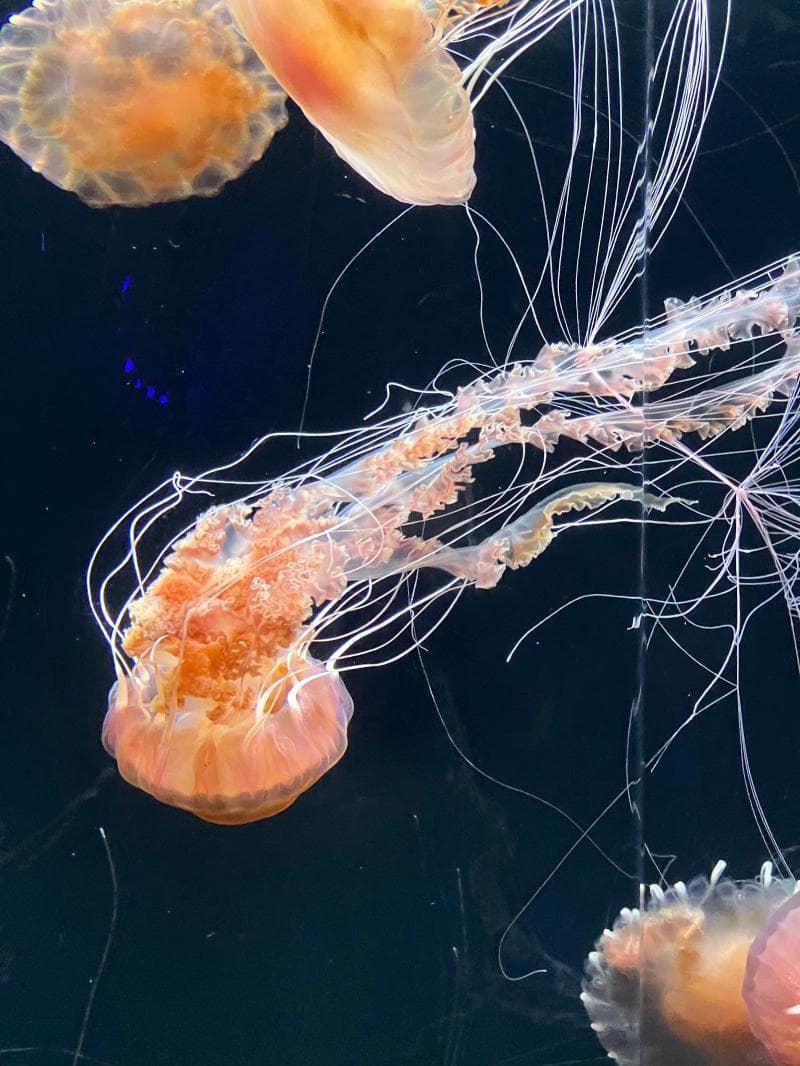
Another intriguing inhabitant is the jelly. These ethereal beings possess no hearts, bones, or brains and are composed of 95% water, yet their stinging cells can fire at incredible speeds, an astonishing biological event in nature. Sharks, often misunderstood, have skeletons made entirely of cartilage rather than bone, and some species possess an extraordinary sense of smell, capable of detecting a single drop of blood from a significant distance.
Singapore, as an island nation, has a deep cultural connection to the sea. The Oceanarium's focus on marine ecosystems from Southeast Asia, such as the Java Sea and the Bay of Bengal, provides local context and highlights the region's rich biodiversity. The attraction's location within Resorts World Sentosa means it's part of a vibrant leisure hub, making it easily accessible and a perfect complement to a broader island adventure.
Visitor Perspective
A visit to the Singapore Oceanarium is often described as a journey of wonder and discovery. The immersive environments, particularly the Open Ocean Habitat, provide moments of serene beauty where visitors can simply sit and observe the rhythmic dance of marine life.
It's an ideal destination for families, offering interactive touch pools where children can safely explore some marine species under expert guidance. The well-designed layout ensures a comfortable and educational experience for all ages, fostering a deeper appreciation for the oceans and their inhabitants. The Oceanarium's commitment to conservation means that visitors leave not only entertained but also more informed about the vital importance of protecting our marine environments for future generations.
Coordinates: 103.820556, 1.258306
View on Google Maps💬 How Travelers Describe This Place
Based on community votes
Beautiful
948Unique
913Interesting
337Must See
196Photogenic
94
Traveler Stories
Discover memorable experiences shared by travelers who have visited this place.
No traveler stories yet.
Be the first traveler to share what made this place memorable.

Tour
By
Spot
Discover amazing places around the world. Your journey starts here.
Explore
© 2026 TourBySpot. All rights reserved.