Senso-ji Main Hall
Tokyo, Japan
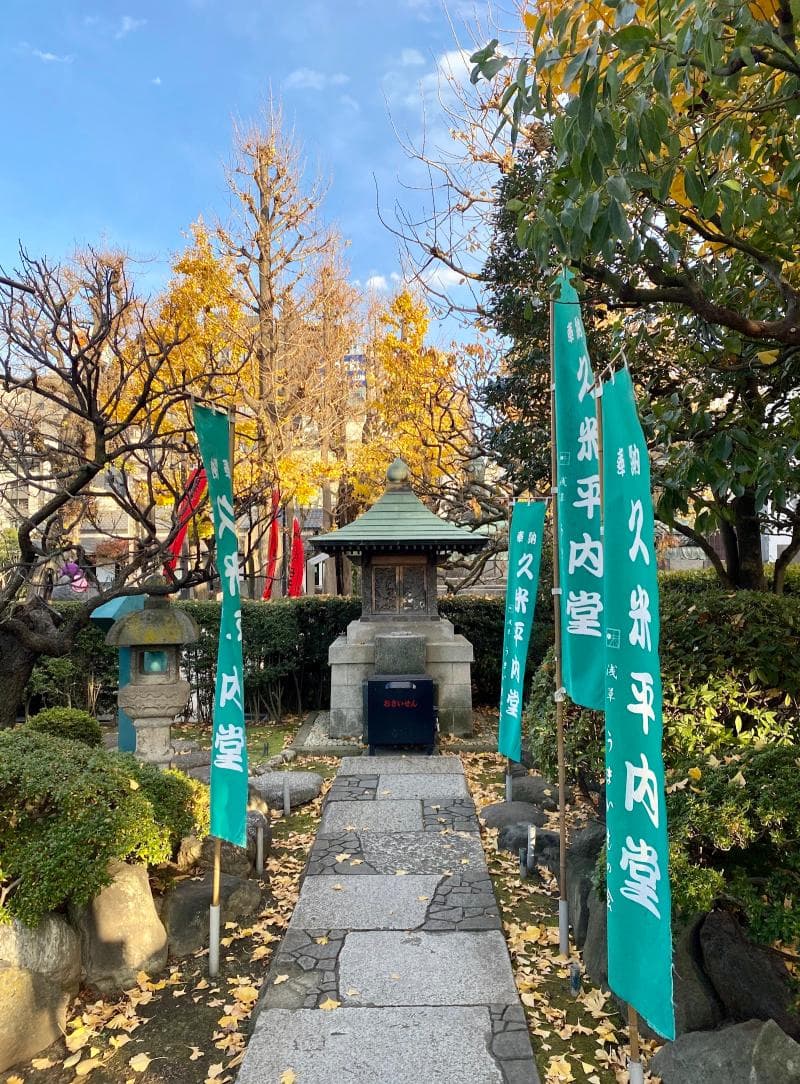
Explore Senso-ji Main Hall in Tokyo, Japan – Tokyo's oldest temple dedicated to Kannon. Discover its rich history, hidden sacred statue, and unique architecture.
Overview
Nestled within the vibrant district of Asakusa in Tokyo, Japan, the Senso-ji Main Hall, also known as the Hondo or Kannondo, stands as the spiritual heart of Tokyo's oldest and most significant Buddhist temple, Senso-ji. Dedicated to Kannon, the Bodhisattva of Compassion, this revered structure is central to the temple complex that draws millions of visitors annually, making it one of the most visited religious sites worldwide.
The Main Hall is not merely an architectural marvel; it is a profound testament to Japan's enduring faith and resilience. It serves as the primary place of worship where visitors and devotees come to pay their respects to the hidden image of Kannon, experiencing a timeless connection to centuries of spiritual tradition in the heart of a modern metropolis.
History & Cultural Background
The origins of Senso-ji, and by extension its Main Hall, are steeped in a captivating legend dating back to 628 AD. According to tradition, two fishermen brothers, Hinokuma Hamanari and Takenari, discovered a golden statue of Kannon in the Sumida River. Despite their attempts to return it to the river, the statue miraculously kept reappearing. Recognizing its divine significance, the village headman, Haji no Nakatomo, converted his home into a temple to enshrine the image.
The temple was formally established in 645 AD, making it Tokyo's oldest. Over its long history, the Main Hall has faced numerous challenges, including destruction by fires and earthquakes. Most notably, it was devastated during the Great Tokyo Air Raid on March 10, 1945, a catastrophic event during World War II. However, through the unwavering dedication and donations from people across Japan, the Main Hall was rebuilt in 1958, symbolizing Japan's spirit of rebirth and peace. Originally associated with the Tendai sect of Buddhism, Senso-ji became an independent school after World War II in 1950.
What Makes It Special
The Senso-ji Main Hall is truly unique for several reasons, blending ancient reverence with modern resilience. Its most sacred treasure is the principal image of the Bodhisattva Kannon, a small golden statue measuring approximately 5.5 centimeters, which is kept hidden from public view – a 'hibutsu' or 'hidden Buddha' since 645 AD. Visitors worship in the presence of a replica statue, making the main image's presence a powerful spiritual mystery.
Architecturally, the current Main Hall, reconstructed after WWII, is notable for its innovative construction. Unlike many traditional wooden temples, it was built using reinforced concrete to enhance its structural integrity and provide enhanced fire resistance. Its dramatically sloping roof, quite tall compared to other temples, is now made with lightweight titanium tiles, maintaining a historic aesthetic while ensuring durability. Inside, the hall is divided into the `naijin` (inner sanctum) where the Kannon statue resides, and the `gejin` (outer sanctum) for worshippers.
Stories, Fun Facts & Local Details
The legend of the Kannon statue's discovery is not just history; it's a foundational story that imbues the entire Senso-ji complex with a sense of the miraculous. Locals often speak of the persistent return of the statue to the fishermen's nets as a sign of divine will, ensuring its enshrinement in Asakusa.
A popular practice outside the Main Hall is gathering around the large incense burner, known as `jokoro`. Visitors waft the smoke towards themselves, believing it possesses healing properties and brings good health. Another local detail is the `omikuji` fortune-telling, where visitors shake a box to receive a stick with a number corresponding to a written fortune. Good fortunes are kept, while bad ones are tied to nearby racks, symbolizing leaving the bad luck behind.
While the Main Hall is the spiritual core, the temple grounds host various cultural events. The Sanja Matsuri, held annually in May, is one of Tokyo's largest Shinto-Buddhist festivals, bringing parades and lively celebrations to the district. These events reflect the vibrant community spirit deeply intertwined with Senso-ji's long history.
Visitor Perspective
Stepping into the Senso-ji Main Hall offers a profoundly tranquil experience, despite the bustling approach of Nakamise-dori. Once inside, the atmosphere shifts to one of solemn reverence. The rich decorations, subtle lighting, and the scent of incense create an immersive environment for reflection and prayer. Visitors can observe worshippers performing traditional rites, clap twice and bow before offering coins, and make their own silent prayers. Although the main deity is hidden, its presence is deeply felt, encouraging a contemplative connection with the Bodhisattva of Compassion. The Main Hall serves as a focal point for understanding not just Buddhist practice, but also the enduring cultural heritage of Asakusa and Tokyo.
Coordinates: 139.79675, 35.71472
View on Google Maps💬 How Travelers Describe This Place
Based on community votes
Photogenic
958Unique
743Interesting
719Must See
629Beautiful
176
Traveler Stories
Discover memorable experiences shared by travelers who have visited this place.
No traveler stories yet.
Be the first traveler to share what made this place memorable.

Tour
By
Spot
Discover amazing places around the world. Your journey starts here.
Explore
© 2026 TourBySpot. All rights reserved.