Seljuk Tilework
Antalya, Turkey
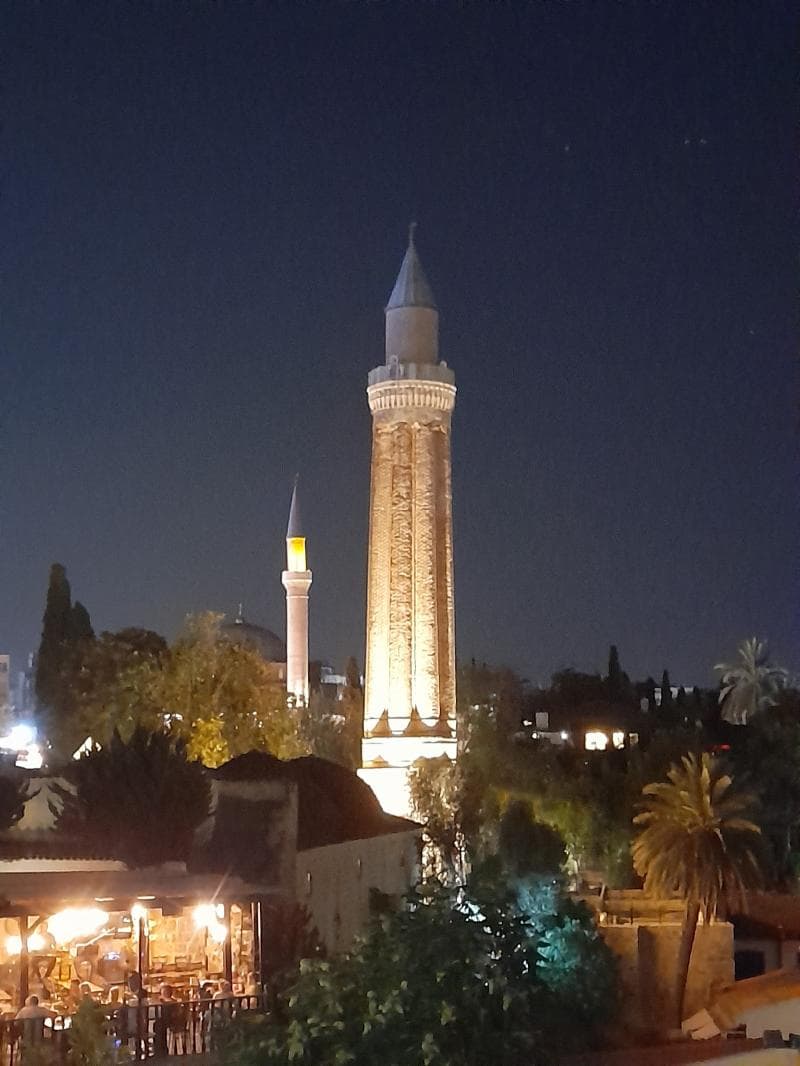
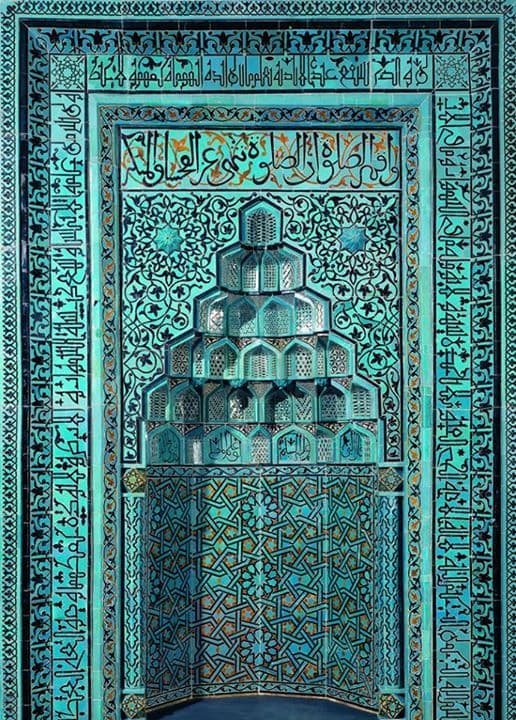
Discover the stunning Seljuk Tilework of the iconic Yivli Minaret Mosque in Antalya, Turkey. Explore its 13th-century history and unique fluted design.
Overview
Nestled in the heart of Antalya's historic Kaleiçi district, the Yivli Minaret Mosque stands as a timeless emblem of the city, its distinctive fluted minaret piercing the Mediterranean sky. While the entire complex, known as a külliye, is a testament to Seljuk architectural prowess, it is the remarkable Seljuk Tilework adorning the minaret that often captures the imagination of visitors. These vibrant, ancient tiles offer a captivating glimpse into the artistic sophistication and cultural heritage of the Anatolian Seljuk period, showcasing a masterful blend of durable materials and intricate design.
History & Cultural Background
The origins of the Yivli Minaret Mosque trace back to the early 13th century, following the Seljuk conquest of Antalya. Around 1230, Seljuk Sultan Alaeddin Keykubad I, a formidable patron of architecture, commissioned its construction on the foundations of a former Byzantine church. This act reflects a common Seljuk practice of integrating earlier architectural elements into their new Islamic structures. Although the original prayer hall was later rebuilt in 1373 by Mehmet Bey, the iconic minaret, with its characteristic fluting, largely dates back to Sultan Keykubad I's era. The mosque was part of a larger religious complex, a külliye, which also included madrasas (theological schools), a Mevlevi dervish lodge, and mausoleums, illustrating its central role in the Seljuk community.
What Makes It Special
The Seljuk Tilework at Yivli Minaret Mosque is particularly distinguished by its application on the minaret, which is constructed from deep red brick. The shaft of the minaret features eight semi-circular grooves, giving it its 'fluted' or 'grooved' appearance—hence the name 'Yivli'. These grooves were originally filled with a dense mosaic of glazed tiles, primarily in striking turquoise and dark blue (or cobalt blue) hues. Even today, fragments of these ancient tiles are visible, providing a tangible connection to the past. This use of vibrant, glazed brick and tile-work was a hallmark of Anatolian Seljuk architecture, especially for minarets and other significant structural elements. The tiles were not merely decorative; they formed geometric compositions and sometimes incorporated Kufic inscriptions, reflecting the artistic and spiritual depth of the period. The Yivli Minaret stands as an exceptional surviving example of this sophisticated Seljuk tile artistry in the Mediterranean region.
Stories, Fun Facts & Local Details
The very name 'Yivli Minare' comes from the Turkish word 'yivli', meaning 'fluted' or 'grooved', aptly describing the minaret's unique ribbed profile. Rising 38 meters above Antalya's old city walls, it has served as a prominent landmark for centuries, visible from almost every corner of the historic center. A popular local detail often shared is the number of steps within the minaret; while some sources mention 90 steps, others hint at an original 99, alluding to the 99 names of God in Islam. During extensive restoration work between 2007 and 2010, an ancient water system was discovered beneath the prayer hall, adding another layer to the site's rich history. The visual contrast between the red brick and the blue tiles was originally far more vivid, creating a stunning vertical striped effect that would have been a beacon in its time.
Visitor Perspective
Visiting the Seljuk Tilework within the Yivli Minaret Mosque offers a profound journey into Antalya's past. Located conveniently in Kaleiçi, the mosque complex is easily accessible and a central point for exploring the old town. While the minaret's interior is generally not open to the public, the mosque itself welcomes visitors, though it's always respectful to check local prayer schedules, especially around midday and afternoon. Entry to the complex is typically free. As you wander the grounds, take your time to appreciate not just the towering minaret, but also the surrounding structures of the külliye, such as the grand portal of the adjacent madrasa. Observing the remaining turquoise and cobalt tiles on the minaret's shaft allows one to truly connect with the artistic and historical legacy of the Seljuk era, offering a moment of quiet reflection amidst the bustling city.
Coordinates: 30.70444, 36.88639
View on Google Maps💬 How Travelers Describe This Place
Based on community votes
Photogenic
726Must See
642Unique
597Beautiful
300Interesting
300
Traveler Stories
Discover memorable experiences shared by travelers who have visited this place.
No traveler stories yet.
Be the first traveler to share what made this place memorable.

Tour
By
Spot
Discover amazing places around the world. Your journey starts here.
Explore
© 2026 TourBySpot. All rights reserved.