Sculpture Spaces
Vilnius, Lithuania
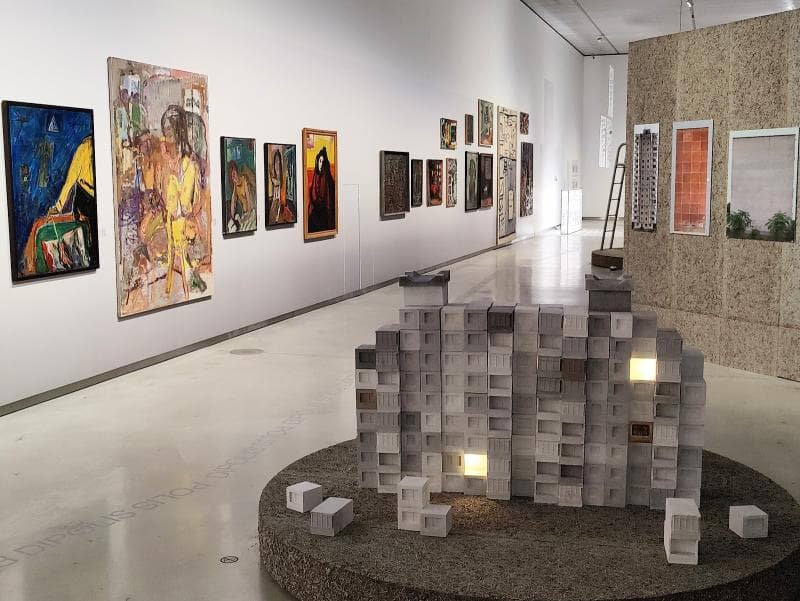
Explore the MO Sculpture Garden in Vilnius, Lithuania, a unique outdoor art space featuring avant-garde Lithuanian sculptures and community events.
Overview
Nestled within the vibrant cultural landscape of Vilnius, Lithuania, the MO Museum offers more than just indoor galleries; it extends its artistic embrace outdoors to what visitors lovingly call its 'Sculpture Spaces' – officially known as the MO Sculpture Garden. This open-air exhibition area is not merely a static display but a dynamic extension of the museum's mission to make modern art accessible and engaging for everyone. It serves as a breathing, green sanctuary where art and nature converge, inviting contemplation and interaction amidst the city's pulse.
Designed as an integral part of the MO Museum complex, the Sculpture Garden seamlessly blends contemporary Lithuanian sculpture with thoughtfully curated natural surroundings. Unlike traditional indoor exhibits, this space is freely accessible to the public, 24 hours a day, seven days a week, fostering a constant dialogue between the artworks and passersby. It’s a place where the grandeur of modern artistic expression can be experienced under the open sky, connecting Vilnius's rich cultural past with its innovative present.
History & Cultural Background
The MO Museum itself, which opened its doors in October 2018, was born from the private initiative and profound passion of Lithuanian scientists and philanthropists Danguolė Butkienė and Viktoras Butkus. Their vision was to establish a modern art museum that would house a significant collection of Lithuanian art from the 1950s to the present day, much of which was overlooked or ideologically rejected during Soviet times. For nearly a decade before the physical museum opened, it operated as a 'museum without walls', diligently acquiring its impressive collection of over 6,000 works.
The building, a striking architectural marvel, was designed by the renowned American architect Daniel Libeskind, in collaboration with Lithuanian architects. Libeskind’s design intentionally bridges Vilnius's medieval Old Town with its newer 18th-century grid, creating a 'cultural gateway'. The Sculpture Garden, along with a public plaza and terrace, was conceived as an essential part of this vision, extending the museum's democratic ethos outdoors. It reflects the founders' belief in weaving modern sculpture into the vibrant urban fabric, transforming an ordinary outdoor space into an extraordinary public art venue that complements the museum's extensive indoor collection.
What Makes It Special
What truly sets the MO Sculpture Garden apart is its dual role as both an art gallery and a community gathering space, uniquely open at all hours. This accessibility transforms how people engage with art, inviting spontaneous encounters rather than formal visits. The garden features a curated selection of works by pioneering Lithuanian sculptural avant-garde artists, offering a profound insight into the nation's artistic evolution.
Among the notable artists whose works grace these 'Sculpture Spaces' are Mindaugas Navakas, celebrated for his environmental art; Petras Mazūras, an innovator in conceptual sculpture; and Vladas Urbanavičius, whose iconic work 'Krantinės arka' (Embankment Arch) is affectionately known by locals as 'The Pipe'. The inclusion of Ksenija Jaroševaitė's distinctly beautiful figurative sculptures and more recent additions like Donatas Jankauskas–Duonis’s 'Victor or Victoria' and Vincas Kisarauskas’s 'Fragment of the Tombstone Monument to the Liobis Family' further enrich the collection. These pieces, many by winners of the Lithuanian National Prize for Culture and Arts, provide a snapshot of Lithuanian sculptural excellence. The architectural integration of the garden with the museum’s Libeskind-designed structure, featuring spaces like the MO Cube and various terraces, creates a dynamic environment for art appreciation and public interaction.
Stories, Fun Facts & Local Details
The MO Sculpture Garden is steeped in stories that highlight its role as a living, breathing part of Vilnius. One charming aspect is the involvement of volunteer gardeners, who tend to the live exhibits, creating a sustainable and naturalistic environment for the sculptures. This collaborative approach underscores the museum's commitment to community building, making visitors feel like contributors rather than just spectators.
During the warmer months, the garden transforms into a hub for free cultural events, from picnics and concerts to discussions on landscape design and greenery maintenance. It's a place where the lines between art, nature, and everyday life blur, reflecting the MO Museum's core philosophy of fostering a 'living and creating MOdernist community'. The inclusion of works like Urbanavičius’s 'The Pipe' offers a playful local connection, demonstrating how public art can become an endearing part of a city's identity. Furthermore, the garden serves as a reminder that much of the art within the MO collection, including some sculptures, represents voices that were once suppressed or ignored during Lithuania's Soviet era, making its presence in such an open, public space all the more meaningful as a testament to artistic freedom and national identity.
Visitor Perspective
For the curious traveler, a visit to the MO Sculpture Garden is an experience of relaxed discovery. It offers a refreshing counterpoint to the traditional museum visit, allowing one to wander freely, perhaps with a coffee from the museum's bistro, and stumble upon captivating works of art in unexpected corners. The 24/7 accessibility means that one can enjoy the sculptures in the soft morning light, under the midday sun, or even during a quiet evening stroll, each time offering a different perspective.
It’s an ideal spot for those seeking a moment of peace, an informal art lesson, or simply a beautiful place to sit and reflect. Families can enjoy the open space, and art enthusiasts can delve into the nuances of Lithuanian contemporary sculpture without the confines of indoor walls. The garden, with its blend of modern art and natural beauty, provides a tangible link to Lithuania’s artistic spirit and its journey through history, all within the innovative architectural embrace of Daniel Libeskind's design. It truly embodies the MO Museum’s goal of creating a place where art helps people understand and question the world around them, offering a memorable and accessible cultural immersion.
Coordinates: 25.277744, 54.67947
View on Google Maps💬 How Travelers Describe This Place
Based on community votes
Interesting
953Beautiful
695Photogenic
658Must See
396Unique
22
Traveler Stories
Discover memorable experiences shared by travelers who have visited this place.
No traveler stories yet.
Be the first traveler to share what made this place memorable.

Tour
By
Spot
Discover amazing places around the world. Your journey starts here.
Explore
© 2026 TourBySpot. All rights reserved.