Sculpture Park
Belgrade, Serbia
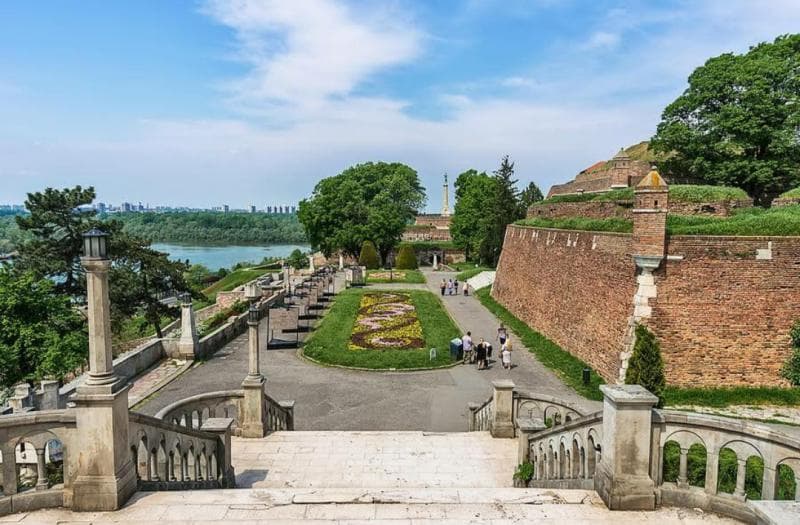
Overview
Within the historic embrace of Kalemegdan Park in Belgrade, Serbia, lies an expansive open-air gallery often referred to as the 'Sculpture Park'. While not a formally designated, enclosed area, this concept captures the essence of Kalemegdan's landscape, which is adorned with a rich collection of statues, monuments, and busts. These artistic expressions are seamlessly integrated into the park's verdant pathways and historic ramparts, offering visitors a unique blend of nature, history, and sculptural art. Perched majestically at the confluence of the Sava and Danube rivers, Kalemegdan Park itself is Belgrade's largest and most significant historical monument, making it a fitting stage for such a diverse display of public art.
History & Cultural Background
The story of Kalemegdan, and consequently its 'Sculpture Park', begins long before it became a park. The name 'Kalemegdan' derives from Turkish words 'kale' (fortress) and 'meydan' (field or square), reflecting its past as an open field used by the Ottoman army for training and ceremonies outside the Belgrade Fortress. It was only in 1869 that the first efforts began to transform this strategic buffer zone into a public park. As Belgrade evolved and gained significance, particularly after Serbia's independence, the park became a canvas for commemorating national heroes, significant historical events, and cultural luminaries. The first decades of the 20th century saw a notable embellishment of the park with numerous sculptures, transforming it into a living museum that chronicles Serbia's heritage. This artistic integration has contributed to Kalemegdan's designation as a cultural monument of exceptional importance.
What Makes It Special
What sets Kalemegdan's 'Sculpture Park' apart is its organic growth and its deep connection to Serbian identity and history. Unlike a curated modern sculpture garden, the artworks here have been added over decades, each telling a distinct story. Dominating the Upper Town plateau is the iconic 'Victor Monument' (Pobednik), a bronze male figure by Ivan Meštrović, erected in 1928 to symbolize Serbia's triumph in the Balkan Wars and World War I. Another poignant piece is the 'Monument of Gratitude to France', unveiled in 1930, also by Meštrović, honoring the wartime alliance and friendship between the two nations. Throughout the park, visitors encounter busts of renowned Serbian writers, poets, and composers like Borisav Stanković, Aleksa Šantić, and Stevan Mokranjac, turning a leisurely stroll into an educational journey through the country's cultural lineage. The presence of works like the 'Fisherman's Fountain' by Simeon Roksandić further enriches the artistic tapestry, showcasing a variety of styles and themes.
Stories, Fun Facts & Local Details
The 'Victor Monument' carries a fascinating local anecdote; originally intended for the central Terazije Square, its nudity sparked public controversy, leading to its eventual placement in the more remote, yet strategically prominent, Kalemegdan Park, where it now serves as a beloved symbol of Belgrade. Another intriguing piece is the 'Blind Minstrel' (Slepi Guslar), a sculpture by Paskije Paško Vučetić, which is the only preserved part of a larger Monument to Karađorđe, destroyed by Austro-Hungarian forces in 1916. After decades, the 'Blind Minstrel' was returned to Kalemegdan in 2020, reinstating a piece of lost history. These sculptures are not static exhibits; they are active participants in Belgrade's daily life, often serving as meeting points, backdrops for photographs, and silent witnesses to generations of locals and visitors enjoying the park. The interplay of ancient fortress walls, lush greenery, and these diverse artworks creates an atmosphere unlike any other, where every corner holds a discovery.
Visitor Perspective
For the curious traveler, exploring the 'Sculpture Park' within Kalemegdan is an immersive experience that transcends a typical museum visit. It's about wandering through history, feeling the echoes of past eras, and encountering art in unexpected places. Imagine pausing by a bust of a cherished poet, looking out over the majestic river confluence, and feeling a connection to the cultural soul of Serbia. The sculptures act as signposts through time, inviting contemplation and providing insight into the nation's struggles, triumphs, and artistic spirit. From the monumental scale of the 'Victor' to the more intimate presence of the literary busts, each piece contributes to a narrative that is both grand and deeply personal. It's an opportunity to connect with Belgrade's past and present, to observe local life unfolding around these timeless figures, and to appreciate the park not just as a green space, but as a dynamic repository of national memory and artistic expression. The views alone are breathtaking, but the art embedded within the landscape adds layers of meaning to every vista.
Coordinates: 20.450716807770267, 44.82221290956778
View on Google Maps💬 How Travelers Describe This Place
Based on community votes
Must See
726Beautiful
717Photogenic
449Unique
335Interesting
22
Traveler Stories
Discover memorable experiences shared by travelers who have visited this place.
No traveler stories yet.
Be the first traveler to share what made this place memorable.

Tour
By
Spot
Discover amazing places around the world. Your journey starts here.
Explore
© 2026 TourBySpot. All rights reserved.