Sculptural Facade
Lviv, Ukraine
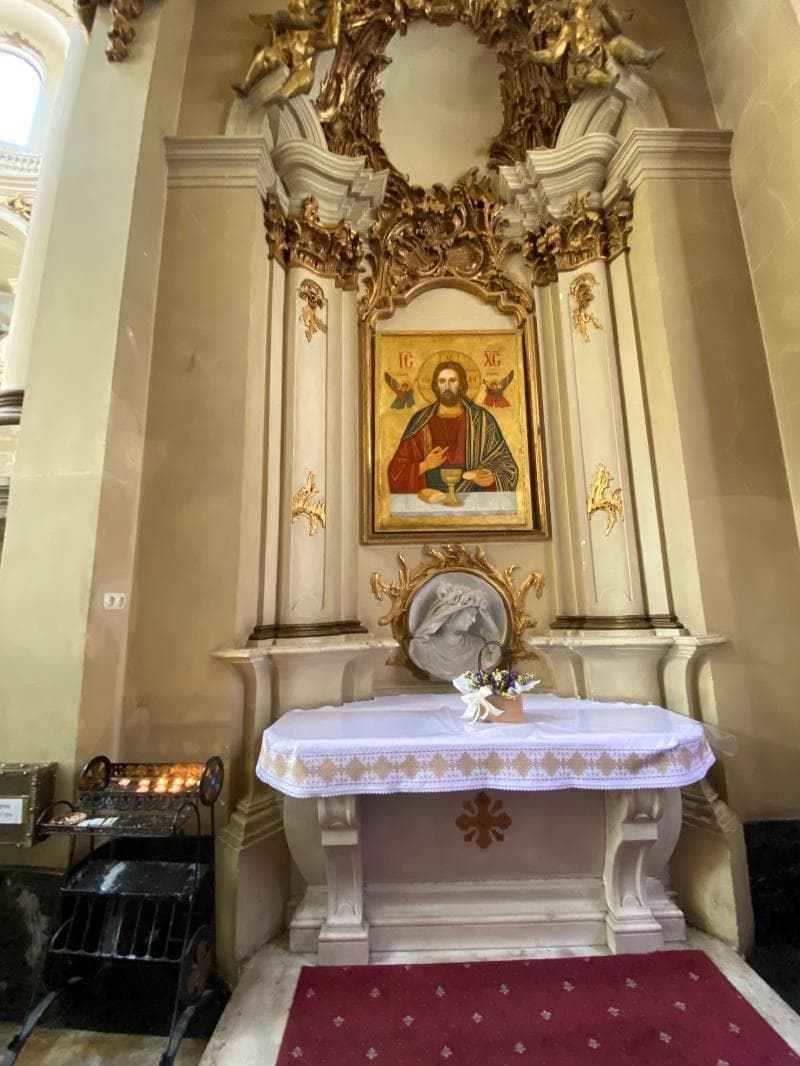
Explore the magnificent Sculptural Facade of the Dominican Cathedral in Lviv, Ukraine, a stunning example of Baroque artistry and historical depth.
Overview
As you wander through the historic heart of Lviv, Ukraine, the magnificent Dominican Cathedral stands as a testament to the city's rich architectural heritage. Among its many splendors, the ‘Sculptural Facade’ immediately captures attention, drawing the eye upwards with its dramatic Baroque flair. This elaborate exterior, adorned with an array of figures and intricate details, acts as a grand prelude to the spiritual and artistic treasures held within. It's not merely a wall, but a storytelling canvas crafted in stone, inviting onlookers to pause and appreciate the artistry and devotion it embodies.
The facade's design emphasizes the grandeur of the late Baroque period, characterized by its dynamic forms and emotional intensity. It presents a captivating visual symphony of columns, niches, and pediments, all working in harmony to create a sense of movement and elevation.
History & Cultural Background
The current Dominican Cathedral, officially known today as the Church of the Holy Eucharist, rose from the ashes of earlier structures. The Dominican Order first established its presence in Lviv in the 13th century, with previous wooden and Gothic churches occupying this significant site.
The construction of the present Baroque masterpiece began in 1749 and was completed in 1764, replacing a Gothic church that was deemed beyond repair. The design is widely attributed to the military engineer and architect Jan de Witte, whose vision shaped its monumental presence. The facade's sculptural elements were significantly adorned during the period of 1792-1798, with the German-born sculptor Sebastian Fesinger, a leading representative of Lviv Rococo, credited for many of the original sculptures. Funds for this ambitious project were notably provided by Polish hetman Józef Potocki.
Over its long history, the cathedral has mirrored Lviv's complex past, serving as a Roman Catholic sanctuary, later a Museum of Religion during the Soviet era, and since Ukraine's independence, as a Ukrainian Greek Catholic Church.
What Makes It Special
The Sculptural Facade of the Dominican Cathedral is a prime example of Central European Baroque architecture in Ukraine, distinguishing itself with its dramatic expression and rich ornamentation. The facade's impact comes from its powerful combination of architectural elements and sculptural narrative. Monumental figures of saints occupy niches and adorn the pediment, seemingly welcoming visitors and engaging with the cityscape.
The use of heavy columns and a complex pediment creates a theatrical effect, almost as if the building is performing for the city. You'll also notice the Dominican coat of arms and the order's traditional symbol – a dog with a burning torch clutched in its teeth – integrated into the facade's design, subtly telling the story of the order's mission. This facade is not just a boundary between inside and outside; it is an integral part of the cathedral's identity, announcing its devotion and grandeur in stone.
Stories, Fun Facts & Local Details
One meaningful detail etched into the facade is the Latin inscription: 'Soli Deo Honor et Gloria' ('To God Alone Be Honor and Glory'). This phrase encapsulates the spiritual purpose and dedication behind the cathedral's construction and enduring presence.
The sculptures themselves have their own story of survival and renewal. In 2020, restoration efforts were undertaken to preserve Sebastian Fesinger's centuries-old sculptures located on the roof, highlighting the ongoing commitment to maintain this historical treasure. Imagine the meticulous work required to restore these delicate figures, exposed to the elements for hundreds of years. The facade also served as a backdrop for a scene in a popular Soviet-era musical about musketeers, proving its iconic status beyond religious significance.
The very choice of an elliptical plan, as reflected in the facade's rounded form, was a bold architectural decision for its time in Lviv, distinguishing it from the more traditional rectangular churches. This design, with its imposing dome, contributes to its commanding presence and makes it visible from many points in the historic center.
Visitor Perspective
Standing before the Sculptural Facade of the Dominican Cathedral offers a profound sensory experience. From a distance, its grand silhouette and the towering dome beckon you closer. As you approach, the intricate details of the Baroque sculptures and architectural flourishes come into sharper focus, revealing the skill and artistry of its creators. The facade's dramatic quality evokes a sense of awe and reverence, making you feel connected to centuries of history and devotion.
Observing the facade is an invitation to appreciate the interplay of light and shadow on its textured surfaces, enhancing the three-dimensional quality of the sculptures and columns. It's a structure that encourages slow observation, allowing you to discover new details each time you look. For many, it's a moment of reflection on the enduring power of faith and artistic expression that has shaped Lviv's identity for generations.
Coordinates: 24.03417, 49.84278
View on Google Maps💬 How Travelers Describe This Place
Based on community votes
Beautiful
981Photogenic
946Must See
795Interesting
439Unique
66
Traveler Stories
Discover memorable experiences shared by travelers who have visited this place.
No traveler stories yet.
Be the first traveler to share what made this place memorable.

Tour
By
Spot
Discover amazing places around the world. Your journey starts here.
Explore
© 2026 TourBySpot. All rights reserved.