Sculptural Decorations
Lyon, France
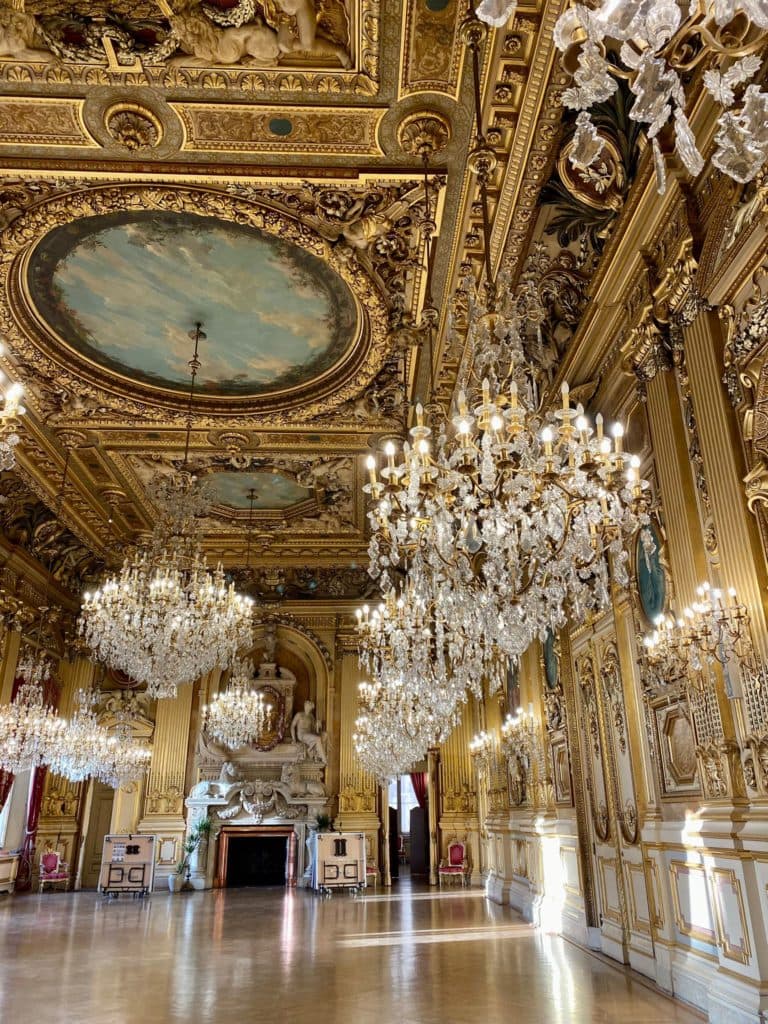
Explore the exquisite sculptural decorations of Hôtel de Ville de Lyon, France. Discover its Baroque facade, allegories, and historical statues.
Overview
Nestled in the heart of Lyon, France, the Hôtel de Ville de Lyon stands as a magnificent testament to 17th-century architectural grandeur. This historic city hall, strategically positioned between the vibrant Place des Terreaux and the charming Place de la Comédie, is not merely an administrative building but a veritable open-air museum of sculptural artistry. Its meticulously crafted facade, a stunning example of Renaissance Revival and Baroque styles, is adorned with an array of ornate sculptures, majestic Corinthian columns, and intricate decorative reliefs. These artistic elements come together to narrate tales of Lyon's rich history and civic pride, making the building a focal point for both locals and discerning travelers. Designated a monument historique by the French government in 1886, the Hôtel de Ville invites visitors to marvel at its exterior beauty, from its detailed stone carvings to the prominent clock tower, and to imagine the opulent decorations found within its occasionally accessible interior spaces.
History & Cultural Background
The journey of the Hôtel de Ville de Lyon began in 1646, with construction overseen by architect Simon Maupin. Envisioned during the reign of Louis XIV, the building was designed to symbolize the growing influence and prosperity of Lyon. However, its early history was marked by a devastating fire in 1674, just two years after its initial completion, which necessitated extensive restoration. This pivotal rebuilding phase was directed by the renowned Jules Hardouin-Mansart, celebrated for his work on the Palace of Versailles, alongside his pupil Robert de Cotte.
The sculptural narrative of the facade has also evolved with the tides of French history. Originally, the central bay featured a half-relief depicting King Louis XIV on horseback. This symbol of monarchy was dramatically removed during the fervor of the French Revolution in 1793. Following the Restoration, it was replaced by a half-relief of King Henry IV in the same equestrian posture, a statue that remains a defining feature today. The initial sculptural themes, executed by artists like Martin Hendricy and Jacques Mimerel, were conceived to glorify both the sovereign and the city itself, reflecting the political and cultural ambitions of the era.
What Makes It Special
The sculptural decorations of the Hôtel de Ville de Lyon are extraordinary in their intricacy and allegorical depth. The building's monumental facade facing Place des Terreaux is particularly noteworthy. At its center, the equestrian statue of King Henry IV captivates the eye, a direct nod to the monarch's historical significance. This central figure is gracefully flanked by elegant female figures, allegorical representations of Lyon's two iconic rivers, the Saône and the Rhône, emphasizing the city's geographical and economic importance.
Beyond the main facade, the Hôtel de Ville holds further artistic treasures within its Cour d'honneur. This central courtyard features a semi-circular gallery adorned with statues depicting characters from the mythological tale of Acis and Galatea. Among these, visitors can find figures of Neptune, Galatea, and the cyclops Polyphemus, bringing a touch of classical mythology to the heart of Lyon. A peculiar and often-remarked-upon detail is the three-eyed cyclops statue in the Cour d'honneur, a unique artistic interpretation. Smaller, yet equally significant, details include medallions created by master engraver Claude Warin, positioned between the arched windows on the ground floor. The sculptures flanking the equestrian statue of Henry IV were created by Pierre-Toussaint Bonnaire, adding another layer of artistic mastery to the facade.
Stories, Fun Facts & Local Details
The Hôtel de Ville is rich with tales that intertwine with the city's identity. One historical anecdote highlights the building's royal connection: its construction deliberately commenced on the birthday of King Louis XIV, a symbolic gesture linking the city's development with the monarch. The removal and subsequent replacement of the equestrian statue on the facade during the French Revolution and Restoration serve as a powerful visual reminder of the dramatic political shifts France endured.
A delightful detail often discovered by curious visitors is the unique portrayal of the Cyclops statue within the Cour d'honneur, which surprisingly features three eyes instead of the mythical one. High above, the central tower houses one of Europe's largest carillons, comprising an impressive 65 bells, whose melodic chimes periodically fill the square, adding to the city's auditory landscape. These intricate sculptural decorations are not just static art; they have borne witness to centuries of celebrations, protests, and significant historical events that have shaped Lyon.
Visitor Perspective
For those exploring Lyon, the sculptural decorations of the Hôtel de Ville offer an endlessly fascinating spectacle. The exterior of the building is accessible at all times, allowing visitors to leisurely admire the wealth of detail on its facade. Take your time to observe the allegorical figures, the intricate reliefs, and the symbolic statues that collectively tell the story of Lyon. A walk around the Place des Terreaux provides excellent vantage points to appreciate the grandeur of the architecture and its numerous sculptural elements.
While the Hôtel de Ville remains an active administrative center, limiting general public access to its interiors, there are special opportunities to explore beyond the facade. During events such as European Heritage Days, the public can gain entry to marvel at the opulent interior decorations, including grand reception rooms adorned with frescoes, intricate stucco, and elaborate woodwork. Even if you only experience the exterior, the sculptural artistry of the Hôtel de Ville de Lyon is a profound encounter with French history and artistic heritage, offering a rich visual narrative of the city's past.
Coordinates: 4.835, 45.7676
View on Google Maps💬 How Travelers Describe This Place
Based on community votes
Interesting
980Beautiful
712Unique
288Photogenic
130Must See
62
Traveler Stories
Discover memorable experiences shared by travelers who have visited this place.
No traveler stories yet.
Be the first traveler to share what made this place memorable.

Tour
By
Spot
Discover amazing places around the world. Your journey starts here.
Explore
© 2026 TourBySpot. All rights reserved.