Scottish History & Archaeology
Edinburgh, United Kingdom
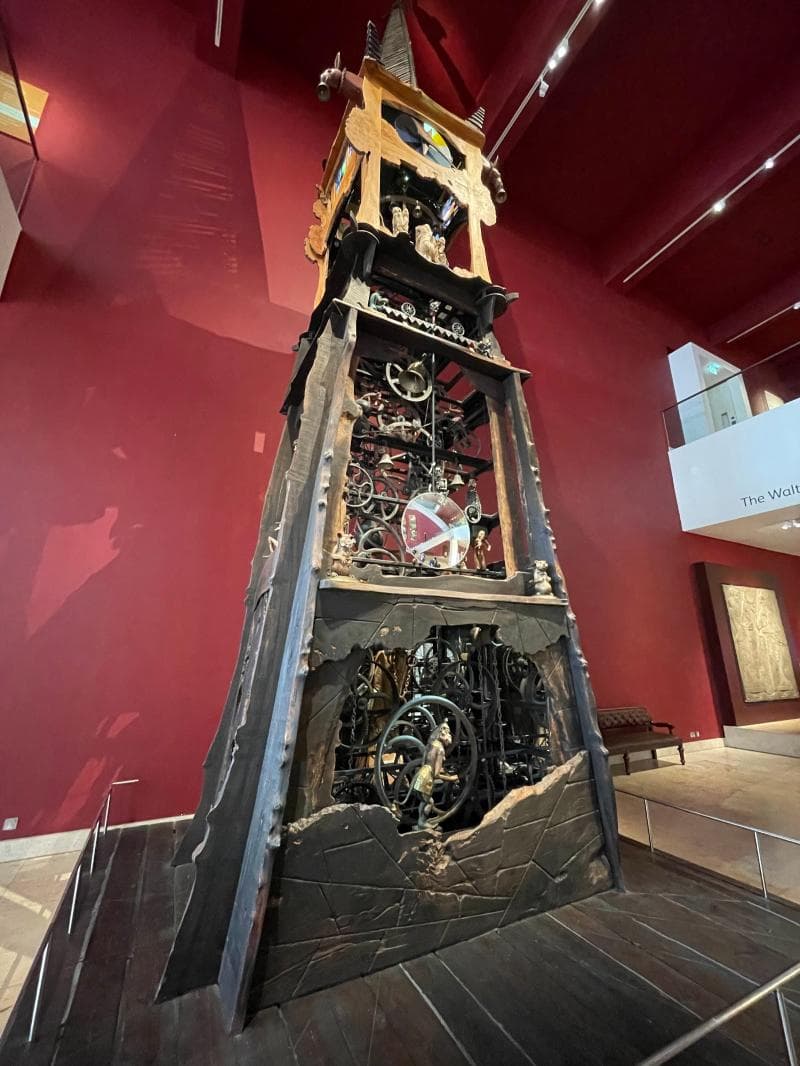
Explore centuries of Scottish History & Archaeology at the National Museum of Scotland in Edinburgh, UK. Discover iconic artifacts from prehistoric times to the modern era.
Overview
The Scottish History & Archaeology galleries within the National Museum of Scotland in Edinburgh offer a captivating journey through Scotland's past, from its earliest human inhabitants to the modern era. Situated in the heart of Edinburgh, this section of the museum delves into the rich tapestry of the nation's heritage, presenting a chronological narrative through a vast collection of artifacts. The galleries are housed in the modern wing of the National Museum of Scotland, which, since its opening in 1998, has seamlessly integrated with the museum's historic Victorian building. Admission to these comprehensive galleries is free, inviting curious travelers to explore centuries of Scottish development and cultural evolution.
History & Cultural Background
The foundation of the museum's extensive Scottish History & Archaeology collection dates back to the Society of Antiquaries of Scotland, established in 1780. Their accumulated artifacts formed the core of the National Museum of Antiquities of Scotland, which later merged to become part of the National Museums Scotland. The galleries trace Scotland's story from the Palaeolithic era, approximately 8000 BC, providing insights into how early peoples utilized the land's resources and interacted with their environment. The narrative unfolds through distinct sections such as 'Early People', covering periods up to AD 1100, which includes prehistoric and Roman archaeology. 'Kingdom of the Scots' then guides visitors through the emergence of Scotland as a nation from around 1100 until 1707, marking the Union of the Scottish and English Parliaments. Further galleries, 'Scotland Transformed' (18th and early 19th century) and 'Industry and Empire', illustrate the country's transition from a predominantly rural society to an urban, industrial powerhouse, extending the historical account right up to contemporary times.
What Makes It Special
The Scottish History & Archaeology galleries boast one of the most comprehensive and representative national collections of historical and archaeological artifacts globally. These carefully curated displays highlight how Scottish ingenuity and events have profoundly influenced the wider world. Visitors encounter extraordinary objects that illuminate pivotal moments and enduring traditions. Among the most significant exhibits are the famous Lewis chess pieces, which are among Scotland's best-known archaeological finds and a highlight of the 'Kingdom of the Scots' gallery. The prehistoric and Roman archaeology collections feature iconic items such as the intricate Pictish Hilton of Cadboll stone, impressive Iron Age carnyx and gold torcs, and the evocative Roman Cramond lioness. The museum's commitment to telling a coherent national story, combined with the sheer depth and breadth of its collections, makes it an unparalleled resource for understanding Scotland's past. The modern architecture of the Scottish galleries complements the historical journey, creating a striking environment for reflection and discovery.
Stories, Fun Facts & Local Details
- The Lewis Chess Pieces: These exquisitely carved walrus ivory chess pieces from the 12th century are a cultural treasure, found on the Isle of Lewis. Their distinctive expressions and detailed craftsmanship make them instantly recognizable and they are a star attraction in the 'Kingdom of the Scots' gallery. Many visitors also recognize them from their appearance in popular culture.
- Mary, Queen of Scots' Casket: Among the collection is an incredibly rare silver casket believed to have belonged to Mary, Queen of Scots. This beautiful object offers a tangible link to one of Scotland's most controversial and romantic historical figures, found within the 'Kingdom of the Scots' displays.
- The Galloway Hoard: Discovered in 2014, this exceptional Viking-age treasure is one of the most significant finds in Britain and Ireland. It comprises over 100 objects of silver, gold, and rare organic materials, providing unprecedented insights into the Viking Age in Scotland.
- Bonnie Prince Charlie's Picnic Set: In the 'Scotland Transformed' gallery, a silver picnic set made for Bonnie Prince Charlie offers a poignant glimpse into the Jacobite story, embodying the romantic yet ultimately doomed aspirations of the Stuart cause.
- The Newcomen Atmospheric Engine: A true marvel of early industrial innovation, this mighty engine dominates a section of the 'Scotland Transformed' gallery, symbolizing the dawn of Scotland's industrial might and its profound impact on society.
Visitor Perspective
For any traveler eager to delve into the heart of Scottish heritage, the Scottish History & Archaeology galleries provide an accessible and enriching experience. The journey through these galleries is designed to be immersive, guiding visitors seamlessly from the earliest inhabitants to the complexities of modern Scotland. The displays are crafted to offer clear explanations, historical context, and cultural significance, avoiding overly academic jargon in favor of engaging storytelling. The free admission ensures that this incredible wealth of knowledge is available to everyone, encouraging multiple visits to absorb the vastness of the collections. While the museum can be busy, quieter areas are signposted for those seeking a more tranquil experience, and a sensory map is available to help navigate the galleries comfortably. Located centrally in Edinburgh's Old Town, the museum is easily reachable, making it a convenient and essential stop on any itinerary.
Coordinates: -3.189184, 55.946986
View on Google Maps💬 How Travelers Describe This Place
Based on community votes
Photogenic
639Unique
421Interesting
366Must See
298Beautiful
212
Traveler Stories
Discover memorable experiences shared by travelers who have visited this place.
No traveler stories yet.
Be the first traveler to share what made this place memorable.

Tour
By
Spot
Discover amazing places around the world. Your journey starts here.
Explore
© 2026 TourBySpot. All rights reserved.