National Museum Of Scotland
Edinburgh, United Kingdom
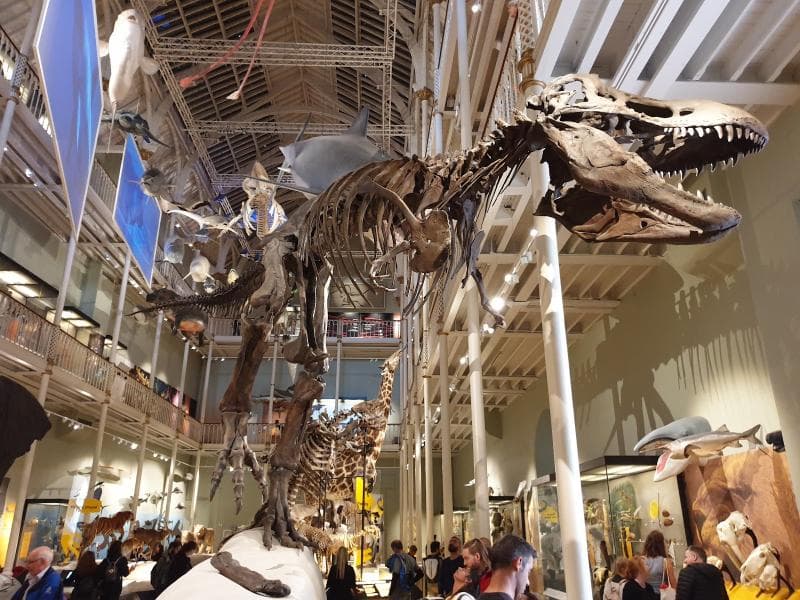
Explore the National Museum of Scotland in Edinburgh, United Kingdom, featuring Scottish history, world cultures, science, and Dolly the Sheep.
Overview
Nestled in the heart of Scotland's vibrant capital, Edinburgh, the National Museum of Scotland offers a captivating journey through the nation's rich history, diverse cultures, and scientific advancements. This architectural marvel seamlessly blends Victorian grandeur with contemporary design, making it a destination that is as impressive from the outside as it is within. Admission is free, inviting curious minds of all ages to explore its vast collections, which span everything from prehistoric artifacts to cutting-edge technology and natural wonders from across the globe.
As one of the UK's most popular attractions outside of London, the museum stands as a beacon of discovery, housing millions of objects that tell Scotland's story and its connections to the wider world. Whether you're drawn to ancient civilizations, scientific breakthroughs, or unique cultural treasures, this museum promises an enriching experience, encouraging visitors to delve deep into the past, understand the present, and contemplate the future.
History & Cultural Background
The National Museum of Scotland as we know it today was formed in 2006 through the significant merger of two distinct institutions: the Museum of Scotland and the Royal Scottish Museum. The Royal Scottish Museum, originally known as the Industrial Museum of Scotland, traces its origins back to 1854 when Parliament authorized funds for its creation. Its iconic Victorian building, with its striking Venetian Renaissance facade, began construction in 1861, with Prince Albert laying the foundation stone. Designed by Captain Francis Fowke and architect Robert Matheson, the building's central Grand Gallery was notably inspired by London's Crystal Palace, featuring an impressive cast-iron structure.
The Museum of Scotland, in contrast, opened its doors in 1998 in a modern, geometric building, dedicated specifically to Scottish antiquities, culture, and history. The amalgamation in 2006 brought these two complementary collections under one roof, physically linked by an internal walkway, allowing visitors to flow between them effortlessly. A major £46.4 million transformation completed in 2011 further enhanced the visitor experience, solidifying its status as Scotland's premier treasure house.
What Makes It Special
What truly sets the National Museum of Scotland apart is its unparalleled scope and dynamic presentation. It's a place where the grandeur of a Victorian museum hall meets the sleek lines of contemporary architecture, housing artifacts that span millions of years. From the geological formation of Scotland to its place in the modern world, the museum's collections cover natural history, science, technology, art, world cultures, and the comprehensive history of Scotland itself.
The museum prides itself on its interactive and engaging displays, making complex histories and scientific principles accessible and enjoyable for all ages. It's a place of hands-on learning, where visitors can not only observe but also engage with exhibits. This blend of extensive historical context with modern, interactive storytelling creates an immersive educational experience, ensuring that every visit uncovers something new and fascinating.
Stories, Fun Facts & Local Details
Prepare for an array of delightful surprises and iconic objects. One of the most famous residents is Dolly the Sheep, the world's first cloned mammal, whose preserved body is a testament to scientific ingenuity. Literature and history enthusiasts will recognize the enigmatic Lewis Chessmen, medieval walrus ivory pieces found on the Isle of Lewis, famously referenced in the Harry Potter series.
For those fascinated by Scottish royalty, you can find the harp of Mary, Queen of Scots, and explore artifacts relating to figures like Robert the Bruce. Don't miss the eerie 'Scottish Maiden,' an early beheading machine that predates the guillotine. Another captivating highlight is the Millennium Clock Tower, a towering kinetic sculpture that animates with music and movement every hour, offering a blend of art and engineering.
Beyond the galleries, a visit to the Level 7 Roof Terrace is a must. It offers a spectacular, often-overlooked panoramic view of Edinburgh's iconic skyline, including Edinburgh Castle and Arthur's Seat. Interactive zones invite visitors to generate energy in a giant hamster wheel or even try their hand at driving an F1 car. Discover the ancient Peebles Hoard, a remarkable collection of Late Bronze Age artifacts, or explore remnants of a Viking Age boatyard from the Isle of Eigg.
Visitor Perspective
Visiting the National Museum of Scotland is an accessible and rewarding experience. The museum is conveniently located on Chambers Street in central Edinburgh, just a short walk from Edinburgh Waverley train station and easily reachable by various bus services. It is open daily, typically from 10:00 to 17:00, though it's always wise to check their official website for any holiday hours or special event closures.
As entry is free, you have the flexibility to spend anywhere from a couple of hours focusing on specific interests to a full day immersing yourself in its vast offerings. The museum is designed to be fully accessible, with lifts and ramps throughout, accessible toilets, and facilities like baby changing areas and free-to-borrow wheelchairs. Multiple cafes are available for refreshments, and self-service lockers provide convenience for storing belongings. Maps are readily available, helping you navigate the blend of historic and modern spaces, ensuring a comfortable and memorable exploration for every curious traveler.
Coordinates: -3.189184, 55.946986
View on Google Maps💬 How Travelers Describe This Place
Based on community votes
Beautiful
897Photogenic
657Must See
605Unique
498Interesting
481
Traveler Stories
Discover memorable experiences shared by travelers who have visited this place.
No traveler stories yet.
Be the first traveler to share what made this place memorable.
Things to see at National Museum Of Scotland



Tour
By
Spot
Discover amazing places around the world. Your journey starts here.
Explore
© 2026 TourBySpot. All rights reserved.