Schøtstuene Assembly Rooms
Bergen, Norway
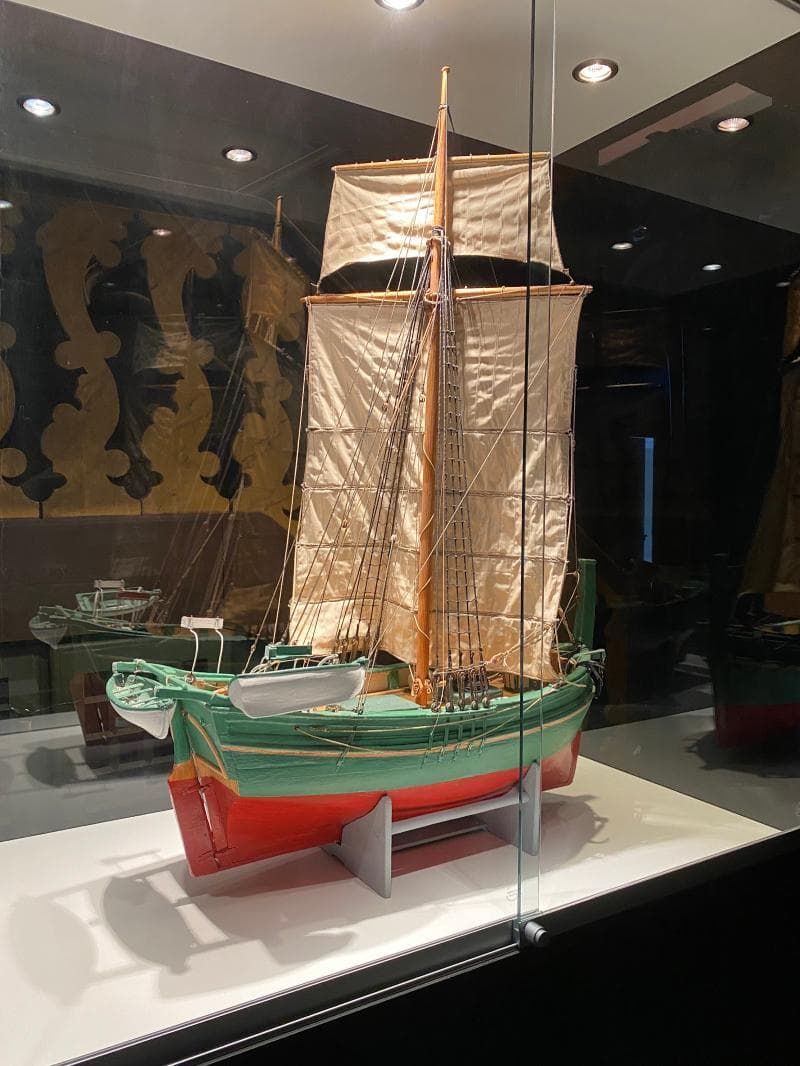
Explore Schøtstuene Assembly Rooms, the last Hanseatic assembly halls in the world, located in Bryggen, Bergen, Norway. Discover centuries of trade history.
Overview
Tucked within the vibrant UNESCO World Heritage Site of Bryggen in Bergen, Norway, lie the historic Schøtstuene Assembly Rooms. These beautifully preserved buildings offer a profound glimpse into the daily lives and powerful influence of the Hanseatic merchants who dominated trade in Bergen for nearly four centuries. As part of the Hanseatic Museum, Schøtstuene serves as a unique testament to a bygone era, allowing visitors to step back in time and experience the communal spaces where these German traders gathered, dined, and conducted their important affairs.
Today, Schøtstuene stands as a captivating museum, providing clear explanations and cultural context for understanding Bergen's pivotal role in the Hanseatic League. It is a place where history comes alive, showcasing not just structures, but the very essence of a community that shaped a city.
History & Cultural Background
The story of Schøtstuene is inextricably linked to the Hanseatic League, a powerful medieval trading confederation. In 1350, the Hanseatic League established one of its four main overseas offices in Bergen, marking the beginning of nearly 400 years of significant commercial and cultural impact on the city.
The German merchants who settled in Bryggen lived in tightly packed wooden buildings that also served as their offices and warehouses. However, due to the constant threat of fire in these wooden structures, strict regulations prohibited the use of open flames for cooking or heating in their private dwellings. This necessity led to the creation of the Schøtstuene – separate, communal assembly halls where fire was permitted. Here, merchants would gather for their daily meals, hold important meetings, conduct legal proceedings, and even attend religious ceremonies. The current Schøtstuene buildings largely date from after the devastating city-wide fire of 1702, which rebuilt much of Bryggen on its medieval foundations.
What Makes It Special
Schøtstuene's significance extends far beyond its historical architecture; it is globally unique. These are recognized as the last surviving Hanseatic assembly rooms in the world, offering an unparalleled insight into the social and administrative heart of the Hanseatic Kontor in Bergen.
The site provides a tangible link to the impressive trading network of the Hanseatic League and the daily routines of the merchants. Within the museum, you can explore the meticulously restored assembly rooms, two cookhouses, and a charming garden. A fascinating detail for visitors is the medieval ruin dating from around 1280, discovered and preserved beneath a glass floor, offering a direct connection to Bergen's even earlier past. The museum's collection includes authentic trading rooms, a merchant's office, and original artifacts from the period, many of which were collected from Bryggen itself or surrounding farms.
Stories, Fun Facts & Local Details
Imagine the scene within these very walls: Hanseatic merchants, primarily young, unmarried men from Northern Germany, gathering around long tables. Their living quarters were often described as dark and cramped, making the Schøtstuene a vital social hub where they could relax, play games, and share warm, communal meals.
Their primary trade was stockfish from Northern Norway, which they exchanged for grain and other goods from continental Europe, establishing Bergen as a crucial trading post. The atmosphere of these gatherings was vibrant, filled with discussions in Low German, the language of the Hanseatic League. The museum today goes to great lengths to recreate this experience, employing sound installations and even 'smell boxes' to transport visitors back to the sights, sounds, and scents of medieval Bryggen. You might almost hear the rolling barrels and creaking cart wheels that once filled the narrow alleyways.
Visitor Perspective
A visit to Schøtstuene is an immersive journey rather than just a historical observation. Guided tours, often offered in multiple languages, enhance the experience, starting within the assembly rooms and winding through the picturesque, narrow passages of Bryggen. These tours illuminate the life of the Hanseatic merchants and the lasting importance of Bryggen as a World Heritage Site.
The museum is designed to be accessible and engaging, appealing to curious travelers keen to understand the cultural and economic forces that shaped Bergen. Exploring Schøtstuene provides an authentic and deeply atmospheric encounter with a pivotal chapter in European history, offering a genuine sense of what Bergen was like during its Hanseatic era. It's an essential stop for anyone wishing to connect with the soul of this historic Norwegian city.
Coordinates: 5.323692, 60.398396
View on Google Maps💬 How Travelers Describe This Place
Based on community votes
Interesting
996Photogenic
726Beautiful
494Unique
193Must See
125
Traveler Stories
Discover memorable experiences shared by travelers who have visited this place.
No traveler stories yet.
Be the first traveler to share what made this place memorable.

Tour
By
Spot
Discover amazing places around the world. Your journey starts here.
Explore
© 2026 TourBySpot. All rights reserved.