Sarcophagi of Perge
Antalya, Turkey
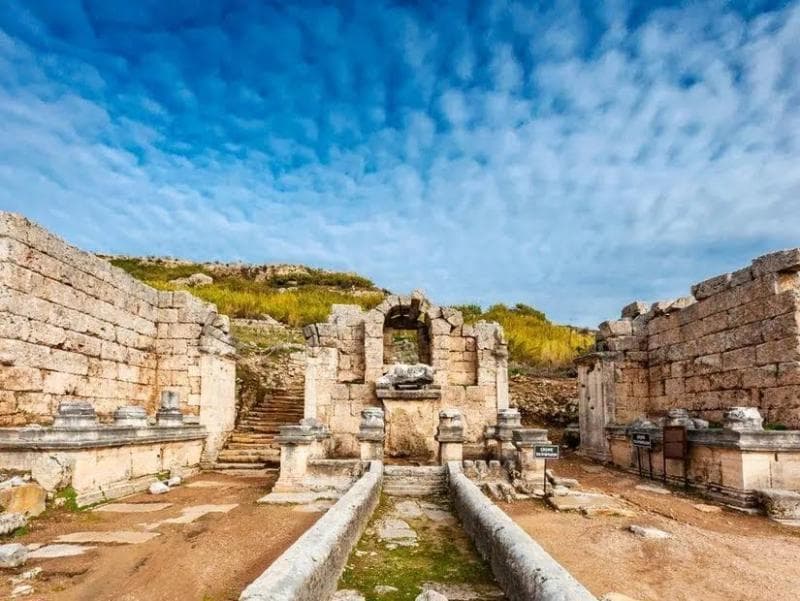
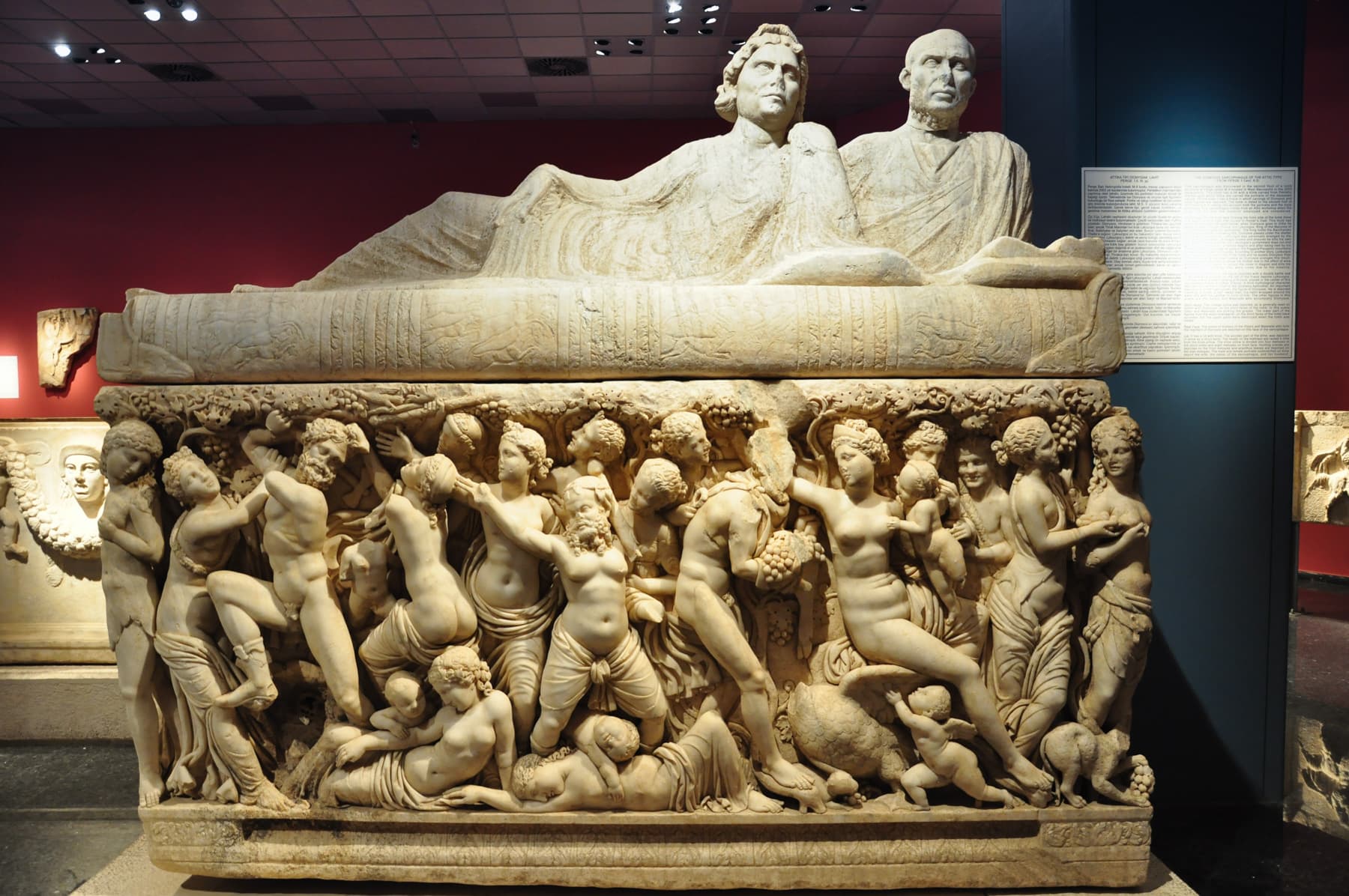
Explore the Sarcophagi of Perge at the Antalya Museum, Turkey, showcasing exquisite Roman funerary art and mythological narratives from ancient Perge.
Overview
Deep within the Antalya Museum, nestled in the vibrant city of Antalya, Turkey, lies a profound collection that transports visitors back to the opulence and funerary artistry of the Roman era: the Sarcophagi of Perge. These monumental stone coffins, primarily unearthed from the ancient city of Perge, represent a pinnacle of Roman funerary art in Anatolia. Each intricately carved masterpiece offers a profound glimpse into the lives, beliefs, and artistic sensibilities of the wealthy elite who once inhabited the region of Pamphylia, now known as Antalya. As a central exhibit within one of Turkey's largest museums, they command attention, inviting contemplation on eternal themes of life, death, and remembrance.
Please note: The Antalya Museum is currently closed for major renovation and rebuilding due to seismic vulnerability, with a reopening expected by the end of 2026. All artifacts, including the Sarcophagi of Perge, have been securely relocated to temporary storage. Visitors are advised to check the museum's official website for the most current information regarding its status and reopening dates before planning a visit.
History & Cultural Background
The ancient city of Perge, located just east of modern-day Antalya, flourished as a major urban center during the Roman period, particularly from the 2nd to the 3rd centuries AD. Its strategic location and prosperity fostered a thriving artistic tradition, especially in sculpture. Perge became a significant production hub for sarcophagi, which were not only used locally but also exported across the Roman Empire, even reaching Rome itself.
The Roman custom of elaborate burials for prominent citizens and their families gave rise to these grand sarcophagi. They were often commissioned to reflect the deceased's status, virtues, and connection to classical mythology. The themes depicted on these stone tombs frequently draw from Greek mythology, showcasing epic narratives and symbolic representations of heroism, grief, and the afterlife. Many of these artworks found their way to the Antalya Museum after systematic excavations at Perge, which have been ongoing since 1946.
What Makes It Special
The Sarcophagi of Perge are renowned for their exceptional artistic quality and diverse styles. Visitors to the collection can observe three main types, each with distinctive features. The Pamphylian garland sarcophagi are characterized by elegant garlands and figures of Nike (Victory) and Eros. The Sidemara columnar sarcophagi resemble miniature temples, featuring elaborate columned facades and reliefs that depict scenes from the deceased's life. The Attic-type sarcophagi are typically adorned with rich mythological scenes.
Each sarcophagus is a masterpiece, carved from a single block of marble, demonstrating the extraordinary skill of Roman craftsmen. The intricate details, from flowing drapery to expressive faces, breathe life into ancient myths and personal histories, making them compelling objects of study and admiration. The sheer variety and artistic prowess displayed highlight Perge's crucial role as a center of sculptural production in antiquity.
Stories, Fun Facts & Local Details
Beyond their artistic merit, many of the Perge sarcophagi carry fascinating stories, some extending far beyond their original purpose. A remarkable tale is that of the Heracles Sarcophagus, depicting the Twelve Labours of Hercules. This monumental marble sarcophagus, believed to originate from Perge in the 2nd century AD, measures an imposing 235 cm in height and weighs three tons. It was illegally smuggled out of Turkey in the 1960s but was eventually recovered after a seven-year legal battle and triumphantly returned to the Antalya Museum in 2017, serving as a powerful symbol of cultural heritage repatriation.
Another poignant story involves the Aurelia Botiane Demetria Sarcophagus. It was unfortunately looted from the Perge Western Necropolis in 1997 by treasure hunters. Though later recovered by authorities before it could be sold, it sustained significant damage during its illicit journey. The Dionysus Sarcophagus, discovered in 2003, is another Attic-style gem. It depicts scenes with the Greek god of wine and fertility, and uniquely features a lid carved in the form of a triclinium with a Roman couple, offering a deeply personal touch to the grand funerary art. These individual stories underscore the enduring value and turbulent history many ancient artifacts have faced.
Visitor Perspective
Stepping into the Sarcophagus Hall, even a temporary one during the museum's renovation, is an awe-inspiring experience. The monumental scale and exquisite detail of the Sarcophagi of Perge transport visitors into the heart of Roman Anatolian culture. One can spend a considerable amount of time deciphering the narratives etched into the marble – from the heroic deeds of Hercules to the convivial scenes of Dionysus, and the poignant tributes to the deceased. The collection offers a tangible connection to a civilization that expressed its beliefs about life and death through magnificent art. The fact that some of these treasures have been repatriated further adds a layer of emotional significance, highlighting global efforts to preserve and respect cultural heritage. It's a journey through history, mythology, and the enduring human quest for remembrance, offering a profound appreciation for the artistic and cultural legacy of ancient Perge.
Coordinates: 30.6797, 36.8856
View on Google Maps💬 How Travelers Describe This Place
Based on community votes
Photogenic
931Unique
692Interesting
491Beautiful
261Must See
49
Traveler Stories
Discover memorable experiences shared by travelers who have visited this place.
No traveler stories yet.
Be the first traveler to share what made this place memorable.

Tour
By
Spot
Discover amazing places around the world. Your journey starts here.
Explore
© 2026 TourBySpot. All rights reserved.