Saparmurat Niyazov Mausoleum
Ashgabat, Turkmenistan
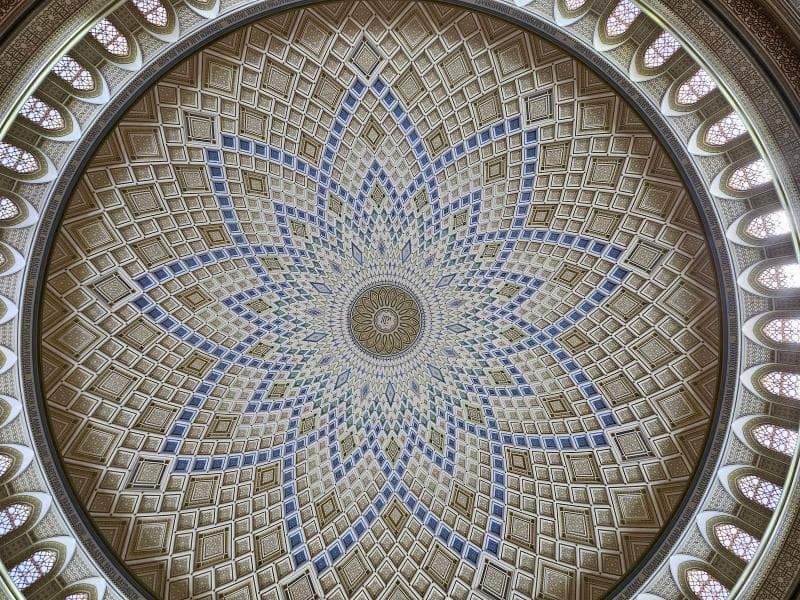
Explore the Saparmurat Niyazov Mausoleum in Ashgabat, Turkmenistan, located within the grand Türkmenbaşy Ruhy Mosque. Discover its history and unique cultural significance.
Overview
Nestled within the serene complex of the Türkmenbaşy Ruhy Mosque in Gypjak, just west of Ashgabat, Turkmenistan, lies the Saparmurat Niyazov Mausoleum. This significant sub-spot serves as the final resting place of Saparmurat Niyazov, the first president of independent Turkmenistan, often known by his self-proclaimed title, Türkmenbaşy, or 'Leader of the Turkmen.' The mausoleum is an integral part of the larger Türkmenbaşy Ruhy Mosque, a grand architectural marvel itself, recognized as one of the largest mosques in Central Asia. Built from gleaming white marble, the entire complex stands as a powerful symbol of national identity and historical legacy in the heart of Turkmenistan.
History & Cultural Background
The Türkmenbaşy Ruhy Mosque and its accompanying mausoleum were commissioned by Saparmurat Niyazov, intended to be his final resting place even before his passing. Constructed by the French company Bouygues and completed in 2004, the mosque is located in Niyazov's hometown, the village of Gypjak. Following his death in December 2006, Niyazov was interred here on December 24, 2006. Beyond his own tomb, the mausoleum also houses the remains of his mother and two brothers, who tragically perished in the devastating Ashgabat earthquake of 1948. While his father, who died during World War I, has a commemorative marker, his body is not interred within the mausoleum. This personal aspect intertwines the site with Niyazov's personal history, positioning him as a leader who overcame early hardship to guide the nation.
What Makes It Special
The Saparmurat Niyazov Mausoleum holds a unique position due to its direct association with the Türkmenbaşy Ruhy Mosque. The mosque itself is a monumental structure, boasting a capacity for 10,000 worshippers, adorned with a golden dome and four towering minarets, each 91 meters high, symbolizing Turkmenistan's independence in 1991. What truly sets this complex apart, however, is a controversial architectural detail: the inclusion of inscriptions from Niyazov's philosophical-spiritual guide, the 'Ruhnama,' alongside verses from the Quran. This juxtaposition, which many find blasphemous, was a deliberate act by Niyazov to elevate his own writings to a sacred status, integral to his extensive personality cult. The mausoleum, though modest in size compared to the colossal mosque, reflects this blend of political and religious symbolism, encased in pristine white marble, signifying both purity and national grandeur.
Stories, Fun Facts & Local Details
Saparmurat Niyazov, known as Türkmenbaşy, cultivated one of the modern world's most elaborate personality cults, positioning himself as the 'father' of the Turkmen nation. The Ruhnama, his personal book, was not only inscribed on the mosque walls but also made compulsory reading in schools and even for driving tests, highlighting its profound, albeit enforced, influence on Turkmen society. The location of the complex in Gypjak is significant as it was Niyazov's birthplace, further rooting the site in his personal narrative. Inside the mausoleum, aside from the tombs, there's a poignant marble sculpture commemorating the 1948 Ashgabat earthquake, a tragedy that deeply affected Niyazov and his family. This subtle detail provides a human touch to an otherwise politically charged monument, reminding visitors of a shared national trauma alongside a leader's legacy.
Visitor Perspective
For a curious traveler, a visit to the Saparmurat Niyazov Mausoleum offers a unique glimpse into Turkmenistan's modern history and its complex political-cultural landscape. While the mausoleum is guarded by soldiers and photography inside is generally prohibited, the sheer scale and dazzling white marble of the Türkmenbaşy Ruhy Mosque complex are impressive from the exterior. The atmosphere is typically quiet, with few local visitors, offering a contemplative, if somewhat surreal, experience. Travelers often combine a visit here with other attractions outside Ashgabat, making it a thoughtful stop on a wider exploration of Turkmenistan. It's an opportunity to observe a place where grand architecture, personal ambition, and national identity converge, prompting reflection on the power of symbolism and the stories leaders create for their nations. The mausoleum, in essence, is not just a burial site but a monument to a specific era of Turkmen history, reflecting the unique vision of its builder.
Coordinates: 58.2517, 38.0173
View on Google Maps💬 How Travelers Describe This Place
Based on community votes
Photogenic
755Must See
728Beautiful
481Unique
183Interesting
28
Traveler Stories
Discover memorable experiences shared by travelers who have visited this place.
No traveler stories yet.
Be the first traveler to share what made this place memorable.

Tour
By
Spot
Discover amazing places around the world. Your journey starts here.
Explore
© 2026 TourBySpot. All rights reserved.