San Agustin Museum
Manila, Philippines
Explore San Agustin Museum in Manila, Philippines. Discover centuries of history, 'Earthquake Baroque' architecture, and a rich collection of religious art and artifacts in this UNESCO World Heritage site.
Overview
Nestled within the historic walled city of Intramuros in Manila, Philippines, the San Agustin Museum offers a profound journey into the country's rich colonial and religious past. It is an integral part of the San Agustin Church complex, which stands as the oldest stone church in the Philippines, officially completed in 1607. This venerable site, alongside three other churches, was inscribed as a UNESCO World Heritage Site in 1993, recognized collectively as the 'Baroque Churches of the Philippines' for their unique blend of European Baroque design adapted to local conditions. The museum itself is housed within the former Augustinian monastery, a structure that echoes centuries of spiritual devotion and cultural exchange. Here, visitors can explore extensive collections of religious art, ecclesiastical artifacts, and historical documents that vividly tell the story of Catholicism's deep roots in the archipelago.
History & Cultural Background
The history of San Agustin is one of remarkable resilience. The very first structure on this site, a church made of bamboo and nipa, was built in 1571 but was tragically destroyed by fire during Limahong's attempted invasion in 1574. A second wooden church met a similar fate. The construction of the current, more enduring stone edifice began in 1586, culminating in its completion in 1607. This robust 'earthquake Baroque' design allowed it to famously withstand numerous powerful earthquakes that rocked Manila throughout the centuries, including significant tremors in 1645, 1699, 1754, 1796, 1825, 1852, 1863, and 1880. Perhaps its most iconic act of survival occurred during the devastating Battle of Manila in 1945, when it stood as the sole church in Intramuros left relatively intact amidst widespread destruction. Beyond its architectural fortitude, the church served as a field hospital during the 1863 earthquake and was the setting where the terms for Manila's surrender to the United States were drafted in 1898. The adjoining monastery, steeped in four centuries of Augustinian presence and missionary work dating back to 1565, was thoughtfully converted into the San Agustin Museum in 1973, preserving its sacred and historical legacy for future generations.
What Makes It Special
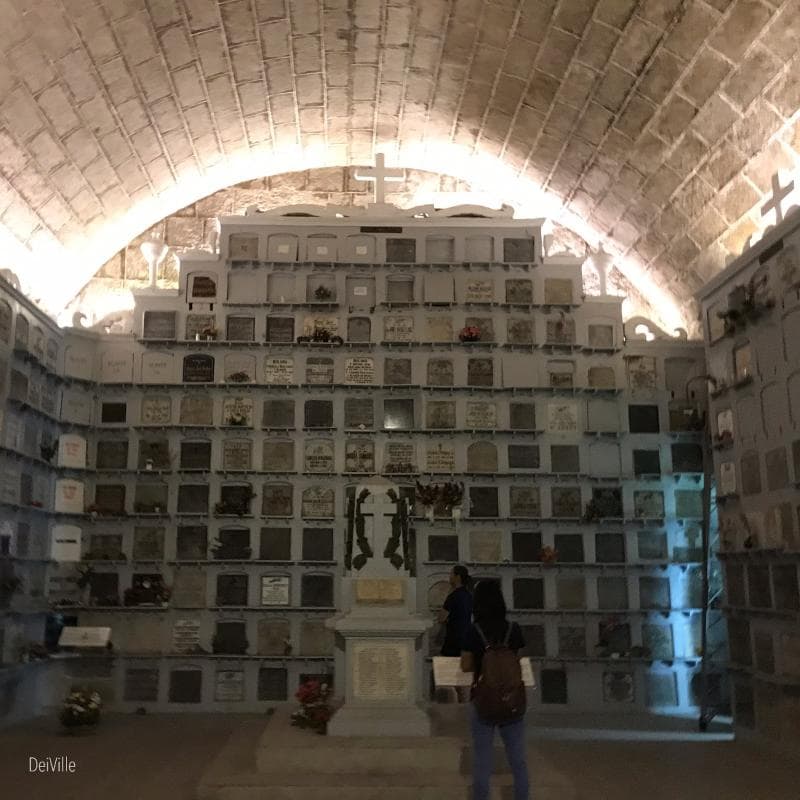
The San Agustin Museum and its encompassing church are truly exceptional. It proudly holds the title of the oldest stone church in the Philippines. Its UNESCO World Heritage status highlights its architectural and historical significance. The church's 'earthquake Baroque' style is a testament to ingenious engineering, designed to endure the Philippines' seismic activity. Inside, the church is a visual feast, from the intricate trompe l'oeil murals on its vaulted ceilings that create a stunning illusion of depth, to the ornate Baroque pulpit and the grand altarpiece that commands attention. The carved wooden doors, crafted from durable Molave wood in the 1770s, showcase elaborate Rococo designs. The museum, housed in the beautifully restored monastery, boasts an astounding collection spanning centuries. Visitors can marvel at religious sculptures, paintings, ancient documents, liturgical vestments, and colonial furniture. A notable highlight is the replica of the Santo Niño de Cebu, considered the oldest Christian relic in the Philippines, and the museum's library, which houses thousands of rare books and manuscripts, some dating back to the 16th century. Moreover, the church serves as the final resting place for significant historical figures, including Miguel López de Legazpi, the founder of Manila, and Juan de Salcedo.
Stories, Fun Facts & Local Details
Beyond its grand history, San Agustin holds captivating stories and intriguing details. Look closely at the main church doors, crafted from Molave hardwood; these replaced the originals destroyed by the British in 1762. They feature beautiful Rococo carvings and emblems of the Augustinian order, such as a flaming heart pierced by an arrow, alongside depictions of Saint Augustine and his mother, Saint Monica. An interesting cultural blend is evident in the presence of Chinese 'fu' dogs guarding the courtyard entrances and pineapples carved onto the pulpit, reflecting the early interactions between Asian and European influences in the Philippines. The museum itself is a 'memory theater,' preserving artifacts from over 400 years of Augustinian missionary work, despite suffering losses from various historical events like looting and wars. A particularly poignant detail is found in the former refectory of the monastery, which tragically became a site where Japanese soldiers massacred Filipinos during World War II, a somber reminder of a tumultuous past. As you begin your museum tour, you'll pass through the 'Door of Love,' carved from Molave wood, setting a symbolic tone for the historical journey within. The choir loft, accessible through the museum, not only houses a restored 18th-century pipe organ but also offers a unique, elevated perspective of the church's interior, providing a different appreciation for its architectural grandeur.
Visitor Perspective
Visiting the San Agustin Museum is an immersive cultural experience that typically takes between 1.5 to 2.5 hours to fully appreciate. Travelers are encouraged to dress modestly, reflecting respect for this active religious site. The museum's entrance fee is currently ₱200 for regular admission, with a discounted rate of ₱160 available for students, senior citizens, persons with disabilities, and government employees upon presentation of a valid ID. Operating hours are generally from 8:00 AM to 12:00 PM and 1:00 PM to 5:00 PM daily, though it is always advisable to check official channels for the most up-to-date schedule, as the church observes a noon break and may have restricted access during religious ceremonies. While there aren't specific tour guides for the museum, the exhibits are well-documented, allowing for a self-guided exploration of its numerous chambers, which were once the friars' living quarters. Located conveniently within Intramuros, the San Agustin Museum pairs wonderfully with other nearby historical attractions such as Casa Manila, Manila Cathedral, and Fort Santiago, making it an essential stop for anyone seeking to delve into the heart of Manila's enduring heritage.
Coordinates: 120.975184, 14.5891514
View on Google Maps💬 How Travelers Describe This Place
Based on community votes
Photogenic
794Beautiful
785Interesting
571Unique
546Must See
103
Traveler Stories
Discover memorable experiences shared by travelers who have visited this place.
No traveler stories yet.
Be the first traveler to share what made this place memorable.

Tour
By
Spot
Discover amazing places around the world. Your journey starts here.
Explore
© 2026 TourBySpot. All rights reserved.