Samuel Oschin Planetarium
Los Angeles, United States
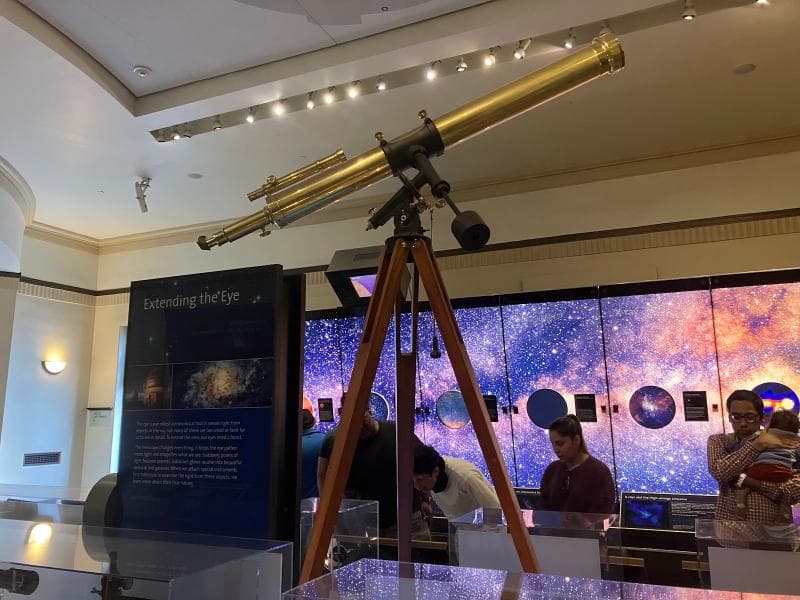
Explore the Samuel Oschin Planetarium at Griffith Observatory in Los Angeles, United States. Witness live, immersive shows under a state-of-the-art dome, discovering the cosmos.
Overview
Nestled within the iconic Griffith Observatory in Los Angeles, United States, the Samuel Oschin Planetarium stands as a premier gateway to the cosmos. This state-of-the-art facility invites visitors on an immersive journey through space and time, offering a profound exploration of astronomical wonders. With its 290-seat theater, the planetarium boasts a spectacular Zeiss star projector and an advanced digital projection system, all housed beneath a cutting-edge seamless aluminum dome. It is renowned for its live, engaging shows that transport audiences from familiar constellations to the farthest reaches of the universe, making complex astronomical concepts accessible and awe-inspiring.
History & Cultural Background
The story of the Samuel Oschin Planetarium is intertwined with the visionary legacy of Griffith J. Griffith, who bequeathed the land and funds to the City of Los Angeles for an observatory and exhibition hall accessible to all. The Griffith Observatory first opened its doors in 1935, and its original planetarium was groundbreaking for its time, marking the third such facility in the United States and the first on the Pacific Rim. For decades, it served as a beacon of public astronomy, evolving with the advancement of science and technology. However, by the turn of the 21st century, a comprehensive renovation and expansion became necessary to modernize its capabilities.
From 2002 to 2006, the observatory underwent a significant transformation, during which the original planetarium theater was completely reinvented and reopened as the Samuel Oschin Planetarium. This revitalization included replacing the vintage Zeiss Mark IV star projector with a new, advanced Zeiss system, upgrading to sophisticated digital projection, and installing a new, comfortable seating arrangement – a welcome change from the 'most uncomfortable seats in the Milky Way Galaxy' of the previous era. The planetarium was named in honor of the Mr. and Mrs. Samuel Oschin Family Foundation, recognizing their significant philanthropic contributions to astronomy, education, and other vital causes.
What Makes It Special
The Samuel Oschin Planetarium distinguishes itself through several unique features that elevate the visitor experience. Foremost among these is its unwavering commitment to live presentations. Unlike many planetariums that rely on prerecorded shows, every program here is delivered by a knowledgeable and passionate storyteller. This human element fosters a dynamic and interactive experience, allowing for direct engagement and a more profound connection with the cosmos.
Technologically, the planetarium is a marvel, combining the precision of a state-of-the-art Zeiss star projector with the versatility of an all-dome digital projection system. This dual-system approach allows for breathtakingly realistic starry night skies as well as dynamic, full-dome video sequences that simulate journeys through nebulae, galaxies, and planetary landscapes. The 75-foot diameter dome itself is a feat of engineering, crafted from seamless aluminum panels that hide speakers and ventilation, creating an unobstructed and truly immersive visual field. Popular shows like 'Centered in the Universe', 'Water is Life', and 'Signs of Life' delve into fundamental questions about our existence and the universe, blending scientific accuracy with compelling narratives.
Stories, Fun Facts & Local Details
For over 85 years, the Griffith Observatory, and by extension its planetarium, has been at the forefront of public astronomy, even pioneering concepts of space travel and special effects in its early shows. This long-standing tradition of innovation continues to define the Samuel Oschin Planetarium's offerings. One fascinating detail from its renovation involved the replacement of the old planetarium dome. The original plaster dome, while impressive for its time, created acoustic challenges. Its replacement with a perforated aluminum dome not only improved acoustics but also allowed for equipment like speakers to be hidden, enhancing the visual spectacle.
The mission of the planetarium is not just to educate, but to inspire wonder and encourage visitors to ponder humanity's place in the vast universe. While admission to the Griffith Observatory's grounds and exhibits is free, tickets are required for the planetarium shows, ensuring a dedicated and focused experience within the dome. Furthermore, beyond the cosmic voyages within, the observatory's location offers unparalleled panoramic views of Los Angeles, including the iconic Hollywood Sign and the Pacific Ocean, adding another layer of wonder to any visit.
Visitor Perspective
A visit to the Samuel Oschin Planetarium is an unforgettable experience for curious travelers of all ages. Stepping into the darkened theater, guests are enveloped in a universe brought to life with stunning visuals and engaging narratives. The live presenters, a hallmark of the planetarium, skillfully guide audiences through celestial phenomena, making even complex scientific topics accessible and exciting.
Tickets for the planetarium shows are purchased on-site at the observatory's box office for that day's showings, with multiple shows scheduled throughout the day. It is worth noting that while older children and adults will find the experience captivating, the intense visuals and sound design mean that shows are generally not recommended for children under five years old, with the exception of the very first show of the day, which caters to younger audiences. To enhance the visit, guests often combine a planetarium show with exploration of the observatory's free exhibits, gazing through telescopes, and enjoying the breathtaking views from the observatory terraces. Given its popularity, especially on weekends and during sunset, planning ahead for your visit can ensure a smoother and more enjoyable journey to the stars.
Coordinates: -118.3004, 34.1186
View on Google Maps💬 How Travelers Describe This Place
Based on community votes
Unique
958Beautiful
794Must See
571Photogenic
565Interesting
157
Traveler Stories
Discover memorable experiences shared by travelers who have visited this place.
No traveler stories yet.
Be the first traveler to share what made this place memorable.

Tour
By
Spot
Discover amazing places around the world. Your journey starts here.
Explore
© 2026 TourBySpot. All rights reserved.