Sacristy
Zagreb, Croatia
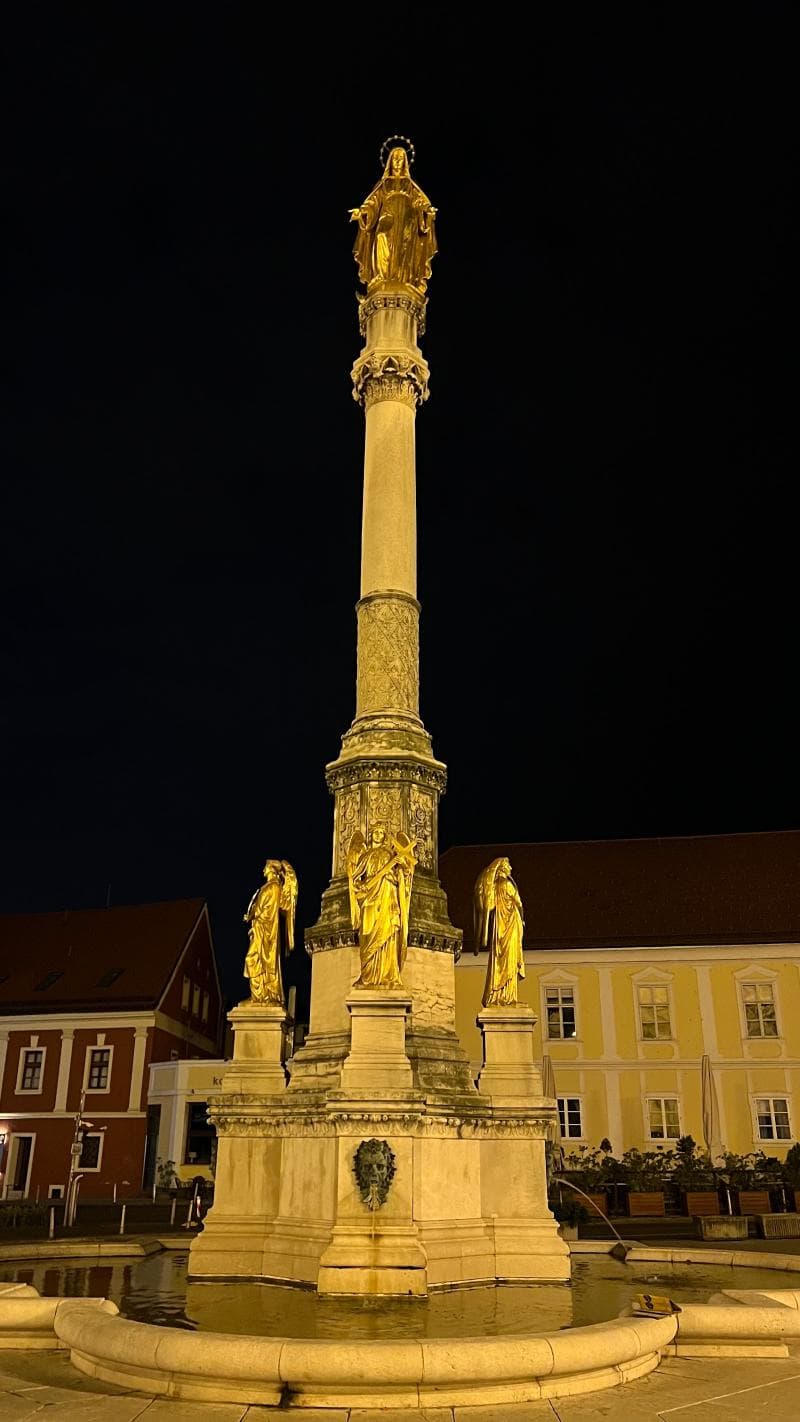
Explore the Sacristy of Zagreb Cathedral in Zagreb, Croatia, home to 13th-century frescoes and medieval artworks, revealing centuries of history.
Overview
Tucked within the grand expanse of the Zagreb Cathedral in Croatia lies the sacristy, a space of profound historical and architectural significance. It forms the northern part of the cathedral complex, situated along the outer wall of the northern nave. Often overlooked by visitors rushing through the main nave, the sacristy is an architectural gem that offers a unique glimpse into the cathedral's earliest periods. While the towering Neo-Gothic spires of the cathedral dominate Zagreb's skyline, the sacristy reveals an older, more intimate story through its preserved medieval elements and rich artistic heritage. It stands as a testament to centuries of change, restoration, and enduring faith within the heart of Croatia's capital. The sacristy is notably recognized for its great architectural value, showcasing a distinct Gothic style that sets it apart.
History & Cultural Background
The history of the Sacristy is intricately woven with the very origins of Zagreb Cathedral. Following the devastating Tatar invasion of 1242, which severely damaged the existing Romanesque cathedral, Bishop Timotej (who served from 1263 to 1287) initiated a monumental reconstruction. During his episcopate, Bishop Timotej was responsible for building the sacristy in a transitional Romanesque-Gothic style. This construction phase is particularly significant, as it predates many of the later Gothic and Neo-Gothic additions that define the cathedral today. The sacristy was part of Timotej's extensive efforts, which included the construction of three polygonal apses in an early Gothic style. Over the centuries, like the rest of the cathedral, the sacristy endured various modifications and challenges, including fires and the catastrophic 1880 Zagreb earthquake. This earthquake led to a comprehensive renovation project led by the renowned architect Hermann Bollé, under whose guidance the sacristy attained its present form. Bollé's restoration efforts were crucial in preserving its historical integrity while integrating it into the cathedral's broader Neo-Gothic transformation. The sacristy's architectural features, such as the ribbed vaults, reflect this rich and layered history.
What Makes It Special
The Sacristy of Zagreb Cathedral is particularly distinguished by its remarkable medieval frescoes, which are considered the oldest in northern Croatia. These precious wall paintings, dating back to the second half or third quarter of the 13th century during Bishop Timotej's time, adorn the vault and part of the southern wall of the eastern section. They depict individual apostles, prophets, and patriarchs of the Old Testament on the vault fields, alongside what is believed to be Christ and the holy founders of the Franciscan and Dominican orders on the southern wall. These vibrant murals offer an invaluable window into the artistic and religious sensibilities of medieval Croatia. Over time, these frescoes were regrettably covered, only to be rediscovered and meticulously restored by Hermann Bollé during his extensive renovation of the cathedral. Beyond the frescoes, the sacristy also houses significant artworks, including a 15th-century winged altarpiece depicting the 'Crucifixion on Golgotha' and a 17th-century painting titled 'Descent from the Cross.' The winged altarpiece underwent remodeling during the late-19th-century renovation based on designs by Bollé and Enrico Nordio. Some travel guides also suggest the presence of an 'Albrecht Dürer triptych' within the sacristy, specifically an altar painting of Golgotha, adding another layer of artistic intrigue to this sacred space. The unique transitional Romanesque-Gothic style of its construction, with vault ribs flowing into the key of a circular concave shape, further underscores its architectural distinctiveness.
Stories, Fun Facts & Local Details
The sacristy holds many silent stories, having witnessed centuries of clerical preparations, silent prayers, and significant moments in the cathedral's life. The survival of its 13th-century frescoes is a 'lucky' tale in itself; they were painted over and largely forgotten until their rediscovery and restoration during the late 19th and 20th centuries. This act of restoration not only brought forgotten art back to light but also connected contemporary Zagreb with its deep medieval roots. Another fascinating detail concerns the preservation of some of the sacristy's wooden artworks. The 'Descent from the Cross' and the 'winged altarpiece' have faced challenges due to the microclimatic conditions within the sacristy, such as heating and humidity fluctuations. Conservation efforts have been ongoing to protect these delicate pieces, highlighting the continuous care required to maintain such historical treasures. The very act of Bishop Timotej building the sacristy along the northern nave speaks to the practical and spiritual needs of the early cathedral, providing a dedicated area for vestments and sacred vessels away from the main worship space. Its inclusion in the overall Gothic reconstruction after the Tatar invasion solidified its enduring presence and importance in the cathedral's layout and function.
Visitor Perspective
For a curious traveler, stepping into the Sacristy of Zagreb Cathedral offers a journey back in time, away from the grandeur of the main cathedral. It is a quieter, more reflective space where the ancient whispers of history feel palpable. The modest scale of the sacristy allows for a more intimate encounter with its art and architecture. The 13th-century frescoes, with their aged colors and biblical narratives, invite contemplation, connecting visitors to the spiritual devotion of bygone eras. Viewing these oldest surviving wall paintings in northern Croatia is a profound experience, revealing the artistic prowess and religious fervor of medieval artisans. While the sacristy is typically Gothic in its overall character, discerning visitors will appreciate the subtle Romanesque influences in its structure, reflecting its construction during a transitional period of architectural styles. Observing the details of the ribbed vaults and the arrangement of its space helps one understand the functional and aesthetic considerations that shaped early church architecture. Taking a moment to appreciate the venerable wooden altarpieces, despite the conservation challenges they've faced, adds another layer to the visit, offering a sense of the continuity of sacred art through centuries. The sacristy provides a valuable complement to the experience of the larger cathedral, emphasizing the depth of its history and the wealth of its artistic treasures in a more contained and historically focused setting. It serves as a reminder that even within monumental structures, smaller, often overlooked, spaces can hold some of the most significant stories and artistic marvels.
Coordinates: 15.97974, 45.81447
View on Google Maps💬 How Travelers Describe This Place
Based on community votes
Photogenic
980Unique
963Beautiful
663Must See
503Interesting
201
Traveler Stories
Discover memorable experiences shared by travelers who have visited this place.
No traveler stories yet.
Be the first traveler to share what made this place memorable.

Tour
By
Spot
Discover amazing places around the world. Your journey starts here.
Explore
© 2026 TourBySpot. All rights reserved.