Sabatini Gardens
Madrid, Spain
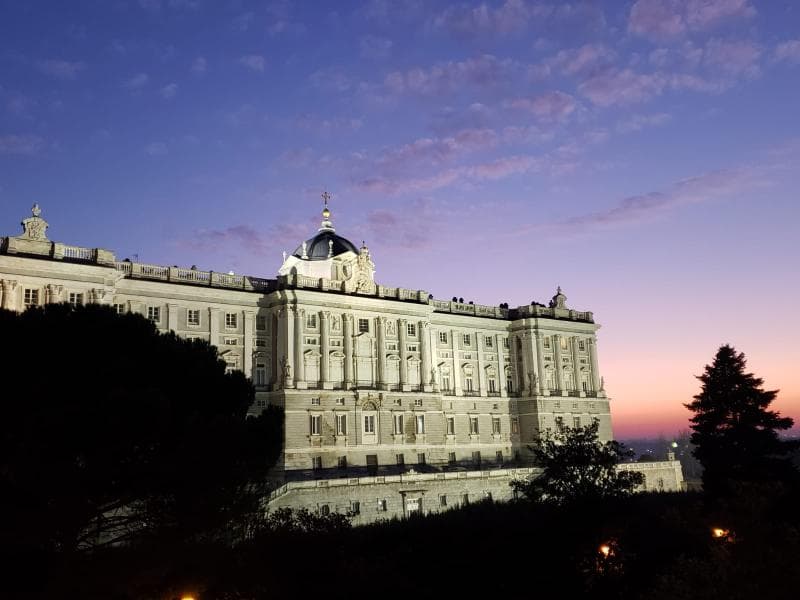
Discover Sabatini Gardens, a tranquil neoclassical oasis within the Royal Palace grounds in Madrid, Spain, offering stunning views and rich history.
Overview
Nestled beside the majestic Royal Palace in Madrid, Spain, the Sabatini Gardens (Jardines de Sabatini) offer a tranquil neoclassical oasis in the heart of the bustling city. Located prominently on the palace's north facade, between Calle Bailén and Cuesta de San Vicente, these immaculately maintained gardens are a cherished public space. They were officially opened to the public by King Juan Carlos I in 1978, transforming a former royal enclosure into a serene retreat for all to enjoy.
With their formal French-inspired design, the gardens provide an elegant foreground to the impressive Royal Palace, making them a popular spot for both quiet contemplation and capturing breathtaking photographs of the historic landmark.
History & Cultural Background
The history of the Sabatini Gardens is a tale of transformation, closely tied to the Spanish monarchy and the political shifts of the 20th century. Ironically, despite their name, the gardens were not designed by Francesco Sabatini. The 18th-century Italian architect Francesco Sabatini did, however, design the royal stables that once occupied this very site.
The concept for the gardens emerged after the proclamation of the Second Spanish Republic in 1931, when royal properties were nationalized. The decision was made to demolish the stables and create a public green space. Construction began in 1933, with Aragonese architect Fernando García Mercadal responsible for the design, drawing inspiration from classical French gardens like those at Versailles.
Progress was halted by the Spanish Civil War, and the gardens were only completed and officially inaugurated decades later, in 1978, by King Juan Carlos I. This opening symbolized the democratization of spaces once exclusively reserved for royalty.
What Makes It Special
The Sabatini Gardens are celebrated for their striking neoclassical style, characterized by strict symmetry and geometric precision. Visitors are greeted by meticulously trimmed hedges, lush trees including cypress, pine, boxwood, and privet, arranged in elegant patterns.
A prominent feature is the large central rectangular pond, which acts like a mirror, reflecting the grand facade of the Royal Palace. This tranquil body of water is flanked by four fountains and surrounded by an array of white marble statues depicting Spanish monarchs. These sculptures, initially crafted in the 18th century, were actually intended to adorn the cornice of the Royal Palace but were deemed too heavy and were eventually placed here and in other Madrid parks.
The gardens are laid out across three distinct terraces, each offering unique perspectives and atmospheres. The lowest terrace showcases the reflective pond and symmetrical parterres, while the higher terraces provide exceptional panoramic views of the palace and the surrounding cityscape.
Stories, Fun Facts & Local Details
Beyond their formal beauty, the Sabatini Gardens hold fascinating tales and local secrets. Many locals consider them one of the best places in Madrid to witness a spectacular sunset. As the sun descends, its golden light bathes the palace's grey stone, transforming it into hues of yellow and red, creating a truly magical scene against the backdrop of Casa de Campo Park.
The very ground upon which the gardens stand has a long history, dating back over a thousand years. It was once the site of an observation post for Moorish troops when Madrid was founded, adding a layer of ancient significance to this royal setting.
A popular legend attributes the relocation of the statues of Spanish kings from the palace roof to a premonitory dream by Isabella Farnese, mother of King Charles III, who feared they might fall. Sabatini himself is said to have overseen their transfer, making their current placement a unique historical detail.
During the warmer months, the gardens also transform into a vibrant cultural venue, hosting events such as 'Los Veranos de la Villa' (Summers of the Villa), featuring concerts and artistic performances, further solidifying their role as a social and cultural meeting place.
Visitor Perspective
The Sabatini Gardens offer a welcoming experience for all visitors, with free admission year-round. They typically open daily from 9:00 AM, with closing times varying seasonally, usually between 9:00 PM in winter and 10:00 PM in summer.
The gardens are generally wheelchair accessible, ensuring that everyone can enjoy their beauty and tranquility. Conveniently located, they are easily reachable by Madrid's extensive public transport network, with nearby metro stations and bus stops.
For those seeking a peaceful respite from the city's energy, or a picturesque location for photography, the Sabatini Gardens are an ideal destination. Their serene atmosphere and stunning views of the Royal Palace make them a must-visit spot within Madrid's rich historical landscape.
Coordinates: -3.71394, 40.42021
View on Google Maps💬 How Travelers Describe This Place
Based on community votes
Photogenic
446Unique
152Interesting
33Must See
30Beautiful
16
Traveler Stories
Discover memorable experiences shared by travelers who have visited this place.
No traveler stories yet.
Be the first traveler to share what made this place memorable.

Tour
By
Spot
Discover amazing places around the world. Your journey starts here.
Explore
© 2026 TourBySpot. All rights reserved.