Sabatini Building
Madrid, Spain
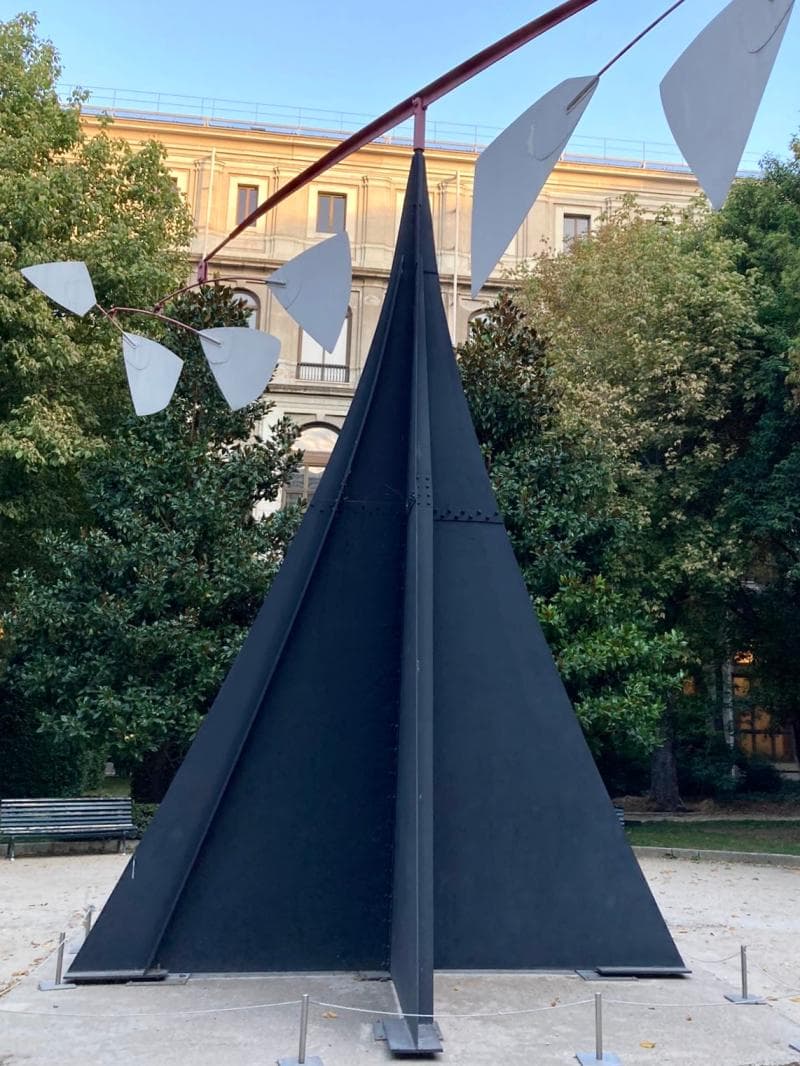
Explore the historic Sabatini Building within the Reina Sofía Museum, Madrid, Spain. Discover its past as a hospital and iconic art collections.
Overview
The Sabatini Building stands as a cornerstone of the illustrious Reina Sofía Museum in Madrid, Spain, offering visitors a profound journey into 20th-century Spanish art. More than just a gallery space, this magnificent structure is integral to the museum's identity, housing some of its most pivotal collections, including Pablo Picasso's monumental 'Guernica'. Situated conveniently near Madrid's Atocha train station, the Sabatini Building is a key component of the city's famed 'Golden Triangle of Art', alongside the Prado and Thyssen-Bornemisza Museums. Its historic walls invite exploration, revealing layers of architectural heritage and artistic expression that define modern Spain.
History & Cultural Background
The story of the Sabatini Building begins not as a museum, but as an ambitious 18th-century hospital. Conceived by King Charles III, the original plan aimed to centralize and enhance Madrid's healthcare facilities. The design of this grand institution, initially known as the Hospital General and later as the Hospital de San Carlos, was largely overseen by the Italian architect Francesco Sabatini, after whom the building is now named. Construction commenced in the mid-18th century, building upon earlier plans by José de Hermosilla.
For nearly two centuries, the building served its original purpose as a provincial hospital, operating until 1965. Following its closure, the structure faced an uncertain future, with proposals for its demolition gaining traction. However, its historical and artistic value was ultimately recognized, leading to its declaration as a Historic-Artistic Monument in 1977. A meticulous renovation process began in the 1980s, transforming the former hospital into a cultural hub. It opened its doors as the Centro de Arte Reina Sofía in 1986 and was officially inaugurated as the Museo Nacional Centro de Arte Reina Sofía in 1990 or 1992, solidifying its role as Spain's national museum of 20th-century art.
What Makes It Special
The Sabatini Building is distinguished by its neoclassical design, a testament to 18th-century grandeur. Yet, what truly makes it special is the dynamic interplay between this historical foundation and striking modern architectural additions. The building seamlessly integrates with the contemporary Nouvel Building and features iconic glass elevator towers designed by British architect Ian Ritchie, creating a visual dialogue between past and present.
Within its historic walls, the Sabatini Building hosts a significant portion of the Reina Sofía Museum's permanent collection. This includes the universally acclaimed 'Guernica' by Pablo Picasso, a powerful anti-war masterpiece, alongside pivotal works by Spanish masters such as Salvador Dalí, Joan Miró, and Juan Gris. The building's interior courtyards offer peaceful retreats, adorned with outdoor sculptures, providing serene spaces for reflection amidst the artistic immersion. More than just an art venue, the Sabatini Building, and indeed the entire museum, symbolizes Spain's journey towards democracy, offering a powerful narrative through its art and architecture.
Stories, Fun Facts & Local Details
Imagine the Sabatini Building not as a quiet museum, but as a bustling hospital. In its original incarnation, it was a state-of-the-art facility for its time, incorporating advanced hygiene and sanitation measures such as natural cross-ventilation, broad spaces, and high ceilings – revolutionary concepts for 18th-century healthcare.
One fascinating anecdote involves the building's narrow escape from demolition. After its closure as a hospital, the site was eyed for other developments, with several proposals advocating for its destruction. It was strong public and professional protest, coupled with its eventual declaration as a Historic-Artistic Monument, that saved this architectural gem and paved the way for its transformation into the cultural institution we know today. The striking glass elevator towers, which now offer panoramic views and have become one of the museum's most recognizable features, were a later addition during its renovation into an art center, deliberately contrasting with the neoclassical stone facade. The museum's collections, particularly those housed in the Sabatini Building, often reflect the tumultuous political and social history of Spain, providing a poignant artistic chronicle of events like the Spanish Civil War.
Visitor Perspective
For any curious traveler, the Sabatini Building serves as a primary gateway to the Reina Sofía Museum's treasures. It is often one of the main access points, and its layout is designed to help visitors navigate the extensive collections. The building is thoughtfully connected to the more contemporary Nouvel Building on every floor, ensuring a cohesive and continuous visitor experience.
You'll find significant galleries on multiple levels within the Sabatini Building, including the second and fourth floors, which display key sections of the permanent collection. While photography is generally permitted in many areas, it's always wise to observe any specific restrictions posted for particular exhibitions. To make the most of your visit and avoid larger crowds, consider arriving early in the morning or planning your trip for a weekday. The building also provides welcoming rest areas within its cloister and a charming garden, perfect for a momentary pause. Should you have any questions, multilingual information points are available, offering support in Spanish and English to enhance your exploration of this incredible institution.
Coordinates: -3.694555, 40.407916
View on Google Maps💬 How Travelers Describe This Place
Based on community votes
Interesting
996Must See
658Unique
585Photogenic
143Beautiful
69
Traveler Stories
Discover memorable experiences shared by travelers who have visited this place.
No traveler stories yet.
Be the first traveler to share what made this place memorable.

Tour
By
Spot
Discover amazing places around the world. Your journey starts here.
Explore
© 2026 TourBySpot. All rights reserved.