Rural Workshops
Bucharest, Romania
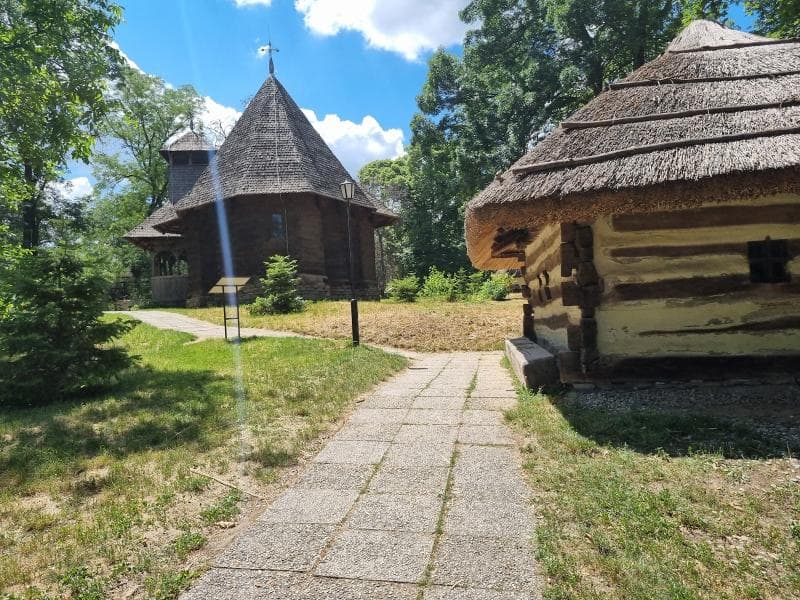
Explore the Rural Workshops at Bucharest's Dimitrie Gusti National Village Museum, discovering traditional Romanian crafts and cultural heritage.
Overview
Deep within Bucharest's expansive King Michael I Park, visitors can step back in time at the National Museum of the Village 'Dimitrie Gusti', more commonly known as the Village Museum. This remarkable open-air ethnographic museum offers a unique journey through rural Romania, showcasing traditional peasant life and architecture. Among its most captivating features are the Rural Workshops, vibrant hubs where ancient crafts are kept alive and shared with curious visitors.
These 'ateliere meșteșugărești', or craft workshops, provide an immersive experience, allowing guests to witness and even participate in the creation of traditional Romanian handmade goods. Far from a static display, the workshops are dynamic spaces where skilled artisans demonstrate techniques passed down through generations, making the museum a living testament to Romania's rich cultural heritage.
History & Cultural Background
The Village Museum was founded in 1936 by sociologist Dimitrie Gusti, driven by a vision to preserve and present the authentic rural life of Romania in the heart of the capital. It was an ambitious undertaking: traditional houses, churches, and technical installations were meticulously disassembled from various regions across the country, transported to Bucharest, and painstakingly reassembled on the museum grounds. This innovative approach ensured that the structures retained their original charm and historical integrity.
The cultural significance of these rural workshops is profound. They represent the ingenuity and artistic spirit of Romanian villagers, whose daily lives were intertwined with their crafts. From the practical necessity of weaving textiles and crafting tools to the artistic expression of painted icons and intricate pottery, each craft tells a story of a community's heritage and resourcefulness. The workshops today continue this legacy, offering a tangible connection to the country's agrarian past and the customs that shaped its identity.
What Makes It Special
What sets the Rural Workshops apart is their commitment to authenticity and direct engagement. Unlike many museums where artifacts are behind glass, here you can often see the creation process firsthand, hearing the stories behind each technique and material. It's a place where history isn't just observed; it's experienced through the senses. The smell of fresh wood, the feel of clay, the intricate patterns of woven fabrics – these elements combine to create a deeply personal and educational encounter.
The diversity of crafts on display is astounding, reflecting the varied traditions of Romania's ethnographic regions. Visitors might encounter master potters shaping clay, skilled weavers at their looms, or artisans delicately painting icons on glass. These aren't just demonstrations; they're windows into a way of life that, while rooted in the past, continues to inspire and inform contemporary Romanian culture. The hands-on aspect, where visitors can try their hand at a craft, transforms a simple visit into a memorable cultural exchange.
Stories, Fun Facts & Local Details
Imagine a time when entire families would contribute to crafting everything they needed, from their clothes to their household items. Early in the museum's history, some original peasant families even lived in the relocated houses, bringing their livestock and traditions with them, offering an unparalleled 'living museum' experience.
The workshops often coincide with traditional Romanian fairs and holidays, adding another layer of festivity and cultural immersion. During these times, the museum buzzes with life, offering not only craft demonstrations but also traditional food and music. It's a wonderful opportunity to witness celebrations like the making of mărțișoare – spring talismans – or the intricate art of painting Easter eggs, a cherished tradition in Romania. Children and adults alike can discover the joy of creating something beautiful with their own hands, learning ancient skills such as wool felting, crafting puppets from string, or even basic beekeeping.
One particularly renowned craft often highlighted is Horezu ceramics, a unique type of Romanian pottery recognized by UNESCO for its cultural significance. Witnessing the creation of these vibrant, intricate pieces offers a glimpse into a world-class artisanal tradition.
Visitor Perspective
A visit to the Rural Workshops within the Village Museum is an enriching experience for any traveler seeking a deeper understanding of Romania. It's an opportunity to slow down, engage with local culture, and appreciate the artistry and resilience of rural traditions. Wandering through the museum's pathways, shaded by old trees, and stumbling upon an artisan at work feels like discovering a hidden gem.
The workshops cater to a wide audience, with activities designed for both young visitors and adults, fostering creativity and a connection to heritage. Whether you're actively participating in a weaving class, watching a woodcarver bring a piece of timber to life, or simply browsing the authentic handmade creations available for purchase, the Rural Workshops offer a delightful and educational escape. It's a place where the past feels present, inviting you to connect with the soul of Romania, one crafted item at a time.
Coordinates: 26.076521, 44.472324
View on Google Maps💬 How Travelers Describe This Place
Based on community votes
Unique
685Photogenic
472Beautiful
446Interesting
399Must See
33
Traveler Stories
Discover memorable experiences shared by travelers who have visited this place.
No traveler stories yet.
Be the first traveler to share what made this place memorable.

Tour
By
Spot
Discover amazing places around the world. Your journey starts here.
Explore
© 2026 TourBySpot. All rights reserved.