Royal Stables
Copenhagen, Denmark
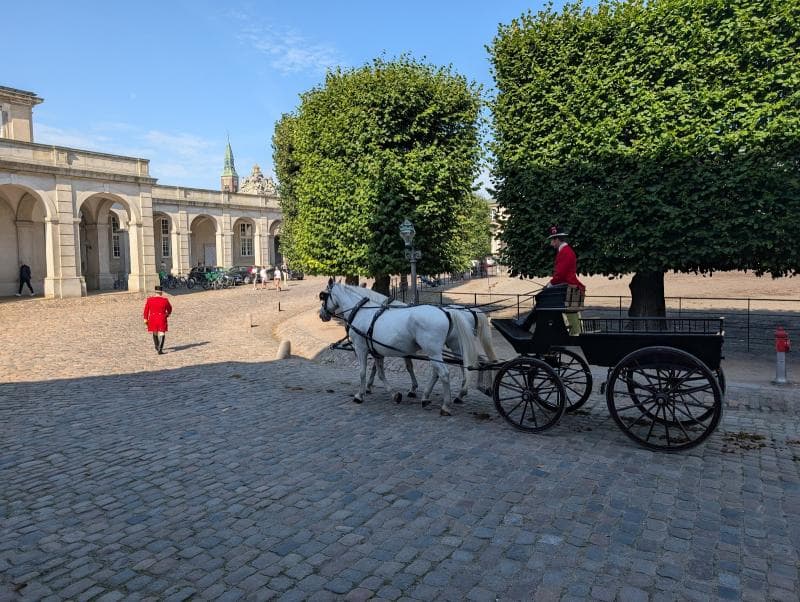
Explore Copenhagen's Royal Stables at Christiansborg Palace, Denmark. Witness majestic Kladruber horses and historic carriages in a living royal tradition.
Overview
The Royal Stables, nestled within the magnificent Christiansborg Palace in Copenhagen, Denmark, offer a unique journey into royal equestrian heritage. Far from being a relic of the past, these stables are a vibrant, living part of the Danish monarchy, housing the horses and carriages actively used for official state occasions and royal events. Visitors step into a world where tradition, elegance, and the majestic presence of royal horses converge, providing a fascinating glimpse into the operational side of a contemporary monarchy. It's a place where history is not just preserved but continually enacted, making it a compelling stop for anyone curious about Danish royal customs and equestrian culture.
History & Cultural Background
The history of the Royal Stables at Christiansborg Palace is deeply intertwined with the story of the Danish monarchy itself. Their origins can be traced back to the earliest royal residences in Copenhagen, evolving alongside the various iterations of the palace. The current Baroque-style stable complex, a significant part of the grand Christiansborg Palace, dates primarily from the early 18th century, built after the devastating fire of 1794. This architectural period reflects the grandeur and power of the Danish kings who commissioned it. Over centuries, the stables have served as the heart of royal transport and ceremony, witnessing countless historical moments. They embody a rich cultural legacy, showcasing the meticulous care given to royal steeds and the elaborate craftsmanship of the carriages that have transported generations of Danish royalty.
What Makes It Special
What truly sets the Royal Stables apart is their dual identity as both a historical museum and a fully functional, active stable. Unlike many historical exhibits, the horses you see here are not just statues; they are living, breathing participants in royal life. This unique blend allows visitors to experience history not just as a static display but as a dynamic, ongoing tradition. The blend of opulent architecture, the smell of hay and horse leather, and the knowledge that these animals and vehicles still perform their ceremonial duties creates an immersive atmosphere. It offers an authentic, behind-the-scenes look at the preparations for state visits, parliamentary openings, and other significant royal events, making the past feel incredibly present.
Stories, Fun Facts & Local Details
- The Kladruber Horses: The primary breed housed in the Royal Stables is the elegant Kladruber, a Czech warmblood known for its stately appearance and calm temperament, ideal for ceremonial duties. These horses are specifically bred for their role and have been a staple of European royal courts for centuries.
- The Gold State Coach: Among the most prized possessions in the Carriage Museum, part of the Royal Stables, is the Gold State Coach. Lavishly decorated with gold leaf and intricate carvings, it is reserved for the most significant state occasions, such as royal weddings and jubilees. Its opulence is a testament to the monarchy's enduring grandeur.
- Daily Routines: A visit often coincides with the daily grooming and exercise routines of the horses, offering a lively and authentic experience. The dedicated stablehands and coachmen maintain ancient traditions, providing a glimpse into a highly specialized world.
- Royal Processions: The stables are the starting point for magnificent royal processions through Copenhagen, drawing crowds and adding a spectacular element to important national events. Observing the preparations provides a unique insight into this cherished tradition.
Visitor Perspective
As a curious traveler, a visit to the Royal Stables offers a deeply engaging and memorable experience. You can stroll through the impeccably maintained stable yard, observe the majestic Kladruber horses in their stalls, and even witness the intricate process of their daily care. The adjoining Carriage Museum is a highlight, presenting a stunning collection of historical coaches, including the famous Gold State Coach, and various liveries and harnesses. Knowledgeable staff are often on hand to share insights and answer questions, enhancing the educational value of the visit. It's a journey through Danish royal history, equestrian excellence, and living tradition, providing a tangible connection to the pomp and ceremony that define the Danish monarchy. Allow ample time to absorb the details and appreciate the grandeur of this active royal institution.
Coordinates: 12.5808, 55.6766
View on Google Maps💬 How Travelers Describe This Place
Based on community votes
Must See
934Beautiful
276Photogenic
152Unique
30Interesting
16
Traveler Stories
Discover memorable experiences shared by travelers who have visited this place.
No traveler stories yet.
Be the first traveler to share what made this place memorable.

Tour
By
Spot
Discover amazing places around the world. Your journey starts here.
Explore
© 2026 TourBySpot. All rights reserved.