Royal Regalia
Yangon, Myanmar
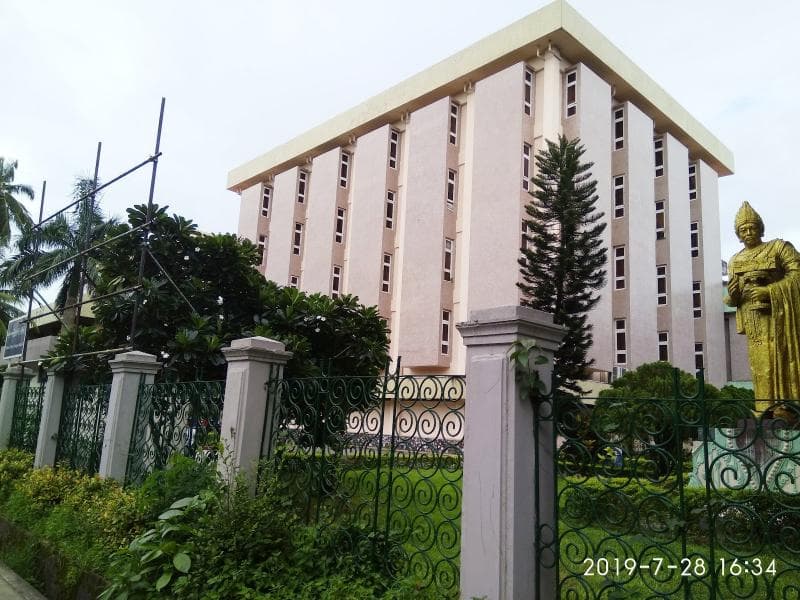
Explore the Royal Regalia at the National Museum of Myanmar in Yangon, showcasing King Thibaw's Lion Throne and exquisite royal artifacts.
Overview
Stepping into the National Museum of Myanmar in Yangon offers a profound journey through the nation's rich tapestry of history and culture. Among its many treasures, the Royal Regalia exhibit stands as a captivating highlight, drawing visitors into the opulent world of Myanmar's ancient monarchs. Here, the sheer artistry and historical weight of the objects on display paint a vivid picture of royal life and governance.
This dedicated section showcases an array of beautifully ornamented artifacts that once played pivotal roles in the ceremonies and daily lives of Burmese kings and queens. It is a place where the grandeur of a bygone era is meticulously preserved, allowing a curious traveler to connect with the deep-rooted traditions and the magnificent heritage of Myanmar.
History & Cultural Background
The history of Myanmar's Royal Regalia is deeply intertwined with the nation's dynastic past, particularly the Konbaung Dynasty, which was the last royal house to rule Myanmar. These sacred objects were more than mere adornments; they were potent symbols of kingship, power, and the majesty of the monarchy. Each piece embodied the spiritual and temporal authority of the ruler, playing an indispensable role in coronation ceremonies and important state occasions.
A significant portion of the Royal Regalia on display has a compelling story of removal and return. Following the Third Anglo-Burmese War in 1885, many of these precious artifacts, including parts of King Thibaw's regalia, were seized by the British and taken to museums abroad, notably the Indian Museum in Kolkata and the Victoria & Albert Museum. Their eventual return to Myanmar after the country gained independence in 1947 was a moment of profound cultural reclamation, signifying the restoration of a vital part of the nation's identity and sovereignty. The National Museum in Yangon proudly houses 141 such royal objects from the Konbaung dynasty, now safely back on their native soil.
What Makes It Special
The centerpiece of the Royal Regalia collection, and arguably the entire museum, is the magnificent Royal Lion Throne, known as the Sihasana. This awe-inspiring throne belonged to King Thibaw Min, the last monarch of Myanmar. Standing tall and imposing, it is a truly spectacular sight, crafted from smooth-grained 'Yamanay' timber and heavily gilded with gold, featuring intricate lion carvings at its base. What makes this Lion Throne particularly special is its unique status: it is the only one of the original nine royal thrones of Burmese kings that remains intact today. The other eight, tragically, were destroyed during the Second World War.
Beyond its rarity, the Lion Throne embodies centuries of royal tradition and power, having been used by King Thibaw in the Hluttaw Hall, the Council of Ministers, for deliberating state affairs and delivering judgments. Its presence offers a direct, tangible link to the final days of Myanmar's monarchy. The exhibit also features other remarkable items, such as a royal gilded betel box, shaped like the mythical Brahminy (Hamsa) bird and embedded with valuable gems, showcasing the exquisite craftsmanship of the era.
Stories, Fun Facts & Local Details
The Royal Regalia hall goes beyond displaying objects; it tells stories of power, artistry, and symbolic importance. For instance, the traditional crowns of Myanmar had distinct names and significances: the Baung for ministers and princes, the Magaik as a hallmark for kings, and the Tharaphu, often influenced by Thai designs and used in arts. Royal women also wore symbolic headpieces like the Seepon and Ukkatdaw, each reflecting their status.
A fascinating detail is the original purpose of items like the jeweled betel box. Betel, a mild stimulant, was a common part of court life, and its ornate containers were symbols of status and wealth. The return of these pieces from colonial possession underscores their profound cultural value and the deep reverence the Myanmar people hold for their royal heritage. Visitors can appreciate not only the material value but also the meticulous attention to detail in royal fashion and courtly custom.
Visitor Perspective
Visiting the Royal Regalia exhibit is an immersive cultural experience. It is a chance to step back in time and witness the grandeur of Myanmar's royal past firsthand. The sheer scale and intricate detail of the Lion Throne are breathtaking, inviting contemplation about the lives of the monarchs who once sat upon it. Seeing the ceremonial swords, crowns, robes, and other embellished objects provides a tangible connection to the ancient royal ceremonies and the sophisticated artistry of the Burmese people.
As you wander through the hall, observing these relics, you gain a deeper understanding of the traditions, beliefs, and artistic expressions that shaped a significant period of Myanmar's history. It is an opportunity to appreciate the legacy of a civilization that valued beauty, symbolism, and elaborate ceremony, offering a unique glimpse into the soul of this enchanting country.
Coordinates: 96.1425, 16.78861
View on Google Maps💬 How Travelers Describe This Place
Based on community votes
Unique
958Beautiful
794Must See
571Photogenic
565Interesting
157
Traveler Stories
Discover memorable experiences shared by travelers who have visited this place.
No traveler stories yet.
Be the first traveler to share what made this place memorable.

Tour
By
Spot
Discover amazing places around the world. Your journey starts here.
Explore
© 2026 TourBySpot. All rights reserved.