Royal Reception Rooms
Copenhagen, Denmark
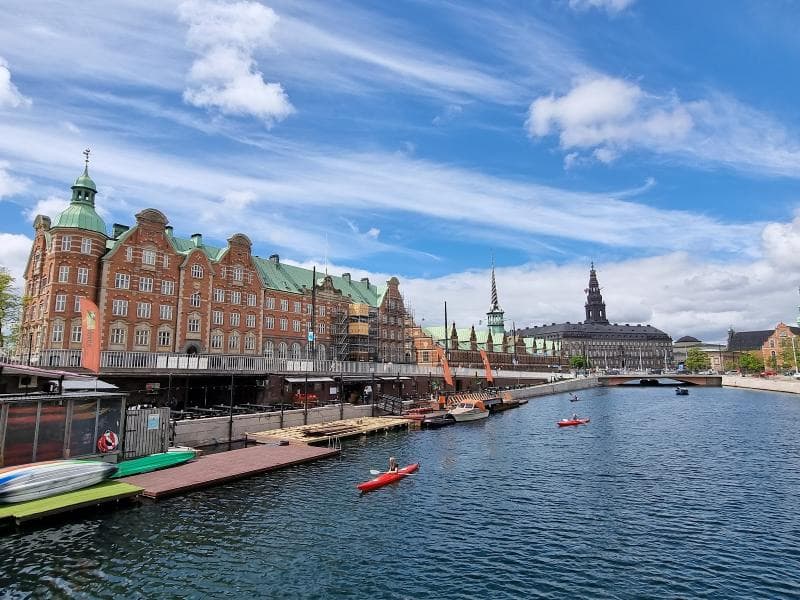
Explore the Royal Reception Rooms at Christiansborg Palace in Copenhagen, Denmark. Discover royal history, grand halls, and exquisite art.
Overview
Nestled within the grand Christiansborg Palace in Copenhagen, Denmark, the Royal Reception Rooms offer a captivating glimpse into Danish royal history and contemporary ceremonial life. These magnificently adorned spaces are where the Danish monarch performs official duties, hosting state dinners, New Year's levees, and receiving ambassadors. Rich in artistic detail and historical resonance, they serve as a living testament to Denmark's enduring monarchy and its deep cultural heritage. Visitors are invited to step into these storied halls, experiencing the grandeur and tradition that define this central part of Danish national life.
History & Cultural Background
The history of Christiansborg Palace, and by extension its Royal Reception Rooms, is one marked by both splendor and resilience. The current palace stands as the third iteration on the islet of Slotsholmen, a site that has been Denmark's center of power for over 800 years since the first castle was built in 1167. The two preceding palaces were tragically destroyed by fires in 1794 and 1884, leading to repeated reconstruction efforts. The present Christiansborg Palace, completed in 1928, was designed to house not only the Royal Reception Rooms but also the Danish Parliament (Folketinget), the Prime Minister's Office, and the Supreme Court. This unique arrangement makes it the only building in the world to accommodate all three branches of a nation's government alongside royal functions, symbolizing the close historical ties between the monarchy and the state in Denmark. Many of the artworks and furnishings within the Royal Reception Rooms were salvaged from the earlier palaces, blending centuries of royal heritage with the Neo-baroque style of the current structure.
What Makes It Special
The Royal Reception Rooms are a breathtaking ensemble of historical elegance and artistic achievement, each room possessing its own distinct character and purpose. Visitors typically begin their journey via the King's Staircase, which leads to the richly decorated halls. Among the most prominent is the Great Hall, the largest of the Reception Rooms, stretching an impressive 40 meters in length with a soaring 10-meter high ceiling. This majestic space is dominated by Bjørn Nørgaard's renowned 17 tapestries, a gift to Queen Margrethe II for her 50th birthday from the Danish business community. These vibrant tapestries vividly depict 1000 years of Danish history, from the Viking Age to modern times, offering a compelling visual narrative of the nation's past.
Another highlight is the oval Throne Room, a setting for significant diplomatic events. Here, foreign ambassadors present their credentials to the monarch, and from its balcony, Danish monarchs are publicly proclaimed upon succession. The room features two exquisite thrones and a grand ceiling painting by Kræsten Iversen, which beautifully illustrates the legend of the Dannebrog, the Danish flag, falling from the sky in Estonia in 1219.
Other notable rooms include the Tower Room, adorned with tapestries by Joakim Skovgaard depicting Danish folk ballads, and various apartments furnished with portraits and busts of previous monarchs, such as Christian IX and Queen Louise. The careful preservation of furniture and works of art from the previous palaces, combined with the contributions of renowned Danish artists, ensures that every corner of the Royal Reception Rooms is a feast for the eyes, reflecting centuries of royal patronage and national pride.
Stories, Fun Facts & Local Details
While the Royal Family no longer resides at Christiansborg Palace, the Royal Reception Rooms remain very much a vibrant center of their official activities. It is here that the monarch hosts significant events like the traditional New Year's Levee, gala banquets, and audiences with newly appointed ambassadors, preserving centuries-old traditions. The palace's dual role as a royal venue and the seat of government has earned it the colloquial nickname 'Borgen,' meaning 'the castle,' often used as a metonym for the Danish political system. A particularly moving tradition associated with the Throne Room is the proclamation of new Danish monarchs from its balcony, a moment that connects the present sovereign directly with their predecessors and the people. The tapestry series in the Great Hall, depicting a millennium of Danish history, stands as a modern masterpiece that continually engages both royal guests and visitors with the nation's rich narrative.
Visitor Perspective
Visiting the Royal Reception Rooms is an immersive experience, inviting you to literally walk in the footsteps of royalty. As you wander through the gilded rooms and decorated salons, you can almost feel the echoes of grand historical events and diplomatic gatherings. The sheer scale and intricate details of the artwork and furnishings inspire a sense of awe and connection to Denmark's past. These rooms are accessible to the public during specific hours, provided they are not in use by the Royal Family for official functions, offering a unique opportunity to witness the blend of tradition and modernity that characterizes the Danish monarchy.
Coordinates: 12.58026, 55.67629
View on Google Maps💬 How Travelers Describe This Place
Based on community votes
Photogenic
869Beautiful
445Unique
416Must See
141Interesting
33
Traveler Stories
Discover memorable experiences shared by travelers who have visited this place.
No traveler stories yet.
Be the first traveler to share what made this place memorable.

Tour
By
Spot
Discover amazing places around the world. Your journey starts here.
Explore
© 2026 TourBySpot. All rights reserved.