Royal Portraits
Copenhagen, Denmark
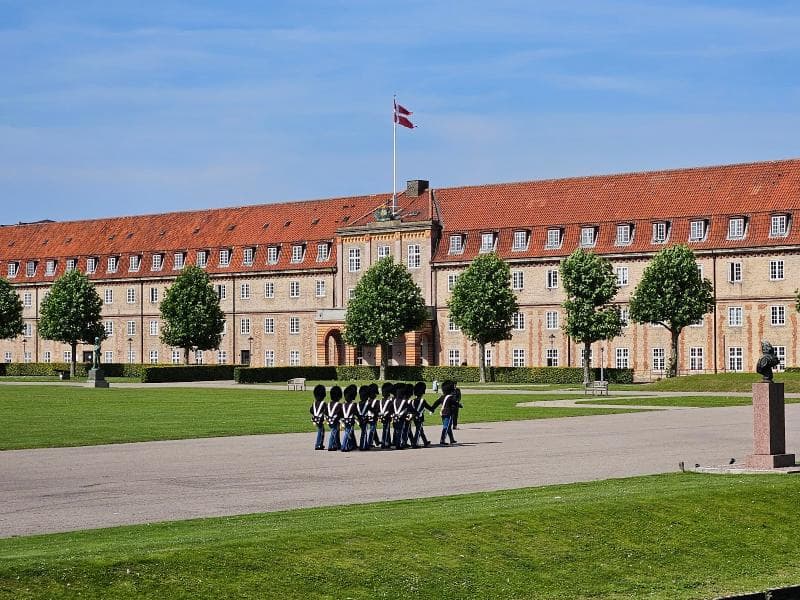
Explore the captivating Royal Portraits at Rosenborg Castle in Copenhagen, Denmark, revealing centuries of Danish royal history and intriguing stories.
Overview
Stepping into Rosenborg Castle in Copenhagen, Denmark, offers a unique journey through centuries of Danish royal history, with its collection of royal portraits serving as a captivating visual narrative. These portraits are not merely decorative pieces; they are an integral part of The Royal Danish Collection, meticulously preserving the likenesses and legacies of Denmark's monarchs and their families. As visitors wander through the well-preserved rooms of this Renaissance castle, they encounter a silent assembly of kings, queens, and royal consorts, each canvas whispering tales of power, personal lives, and pivotal moments in the nation's past.
The collection provides an intimate glimpse into the royal lineage, stretching across 400 years, offering a direct connection to the individuals who shaped Denmark's destiny. From formal regal depictions to more personal portrayals, these artworks invite contemplation on the evolving styles of portraiture and the changing perceptions of royalty over time. They underscore Rosenborg Castle's role as a treasure trove of cultural heritage, where art and history intertwine to create an immersive experience for any curious traveler.
History & Cultural Background
Rosenborg Castle itself was built by King Christian IV between 1606 and 1634, originally as a country summerhouse, evolving into the grand Dutch Renaissance-style castle seen today. It served as a royal residence until around 1710, after which it primarily housed royal treasures and was opened to the public as a museum in 1833. This transformation was pivotal for the portrait collection, as many older paintings associated with the Royal House were transferred to Rosenborg, solidifying its role as a key repository of royal art. The collection grew through items from deceased royalty and from Christiansborg Palace after a fire in 1794.
The portraits chronicle the Danish monarchy from Christian IV's era onwards, showcasing the artistry of various Danish and foreign painters. This historical arrangement, displaying the royal family's history chronologically, was a pioneering concept in European museum history when Rosenborg opened its doors. Therefore, the royal portraits are not just individual pieces but a carefully curated timeline reflecting the continuity and changes within the Danish royal family and their artistic patronage.
What Makes It Special
What sets the Royal Portraits at Rosenborg Castle apart is their profound ability to humanize history. Unlike static historical texts, these paintings offer a direct, albeit artistic, encounter with figures like Christian IV, who oversaw the castle's construction and made it his favorite residence. The collection spans from the 17th century to the 19th century, before newer royal history was moved to Amalienborg. This provides a comprehensive visual record of the Oldenborg kings and their families, depicted by esteemed artists such as Karel van Mander and Jens Juel.
Furthermore, some portraits are imbued with dramatic personal stories, adding layers of intrigue. For instance, the castle displays portraits of Johan Friedrich Struensee and Queen Caroline Mathilde, figures central to a notorious royal scandal involving a fatal love affair and political upheaval. These particular paintings go beyond mere representation, serving as tangible links to a turbulent period in Danish history, allowing visitors to ponder the complex lives of those depicted. The collection's chronological arrangement also provides a unique opportunity to observe the evolution of European portraiture through the lens of Danish royalty.
Stories, Fun Facts & Local Details
Among the most compelling narratives woven into Rosenborg's portrait collection is the scandalous tale of Queen Caroline Mathilde and Johan Friedrich Struensee. Caroline Mathilde, married to the controversial King Christian VII, engaged in a love affair with the king's physician, Struensee, who effectively governed the country during the king's illness. Their portraits, including Jens Juel's 1771 depiction of the queen and a copy of Struensee's portrait by Hans Hansen, silently testify to this dramatic chapter, which ended with Struensee's execution and Caroline Mathilde's exile.
Another fascinating detail comes from the work of Jens Juel, a court portrait painter who captured numerous members of the Danish royal family. One unusual painting by Juel, acquired by Rosenborg, depicts Crown Princess Marie and her daughter Princess Caroline on an everyday stroll through a garden, devoid of typical status symbols. This reflects a shift in artistic trends around the turn of the 19th century, where family feelings and more realistic depictions gained prominence, even for royalty. These pieces offer a rare, humanizing perspective on figures often seen only in their regal splendor, showcasing intimate moments alongside grandiosity.
Visitor Perspective
For visitors, exploring the Royal Portraits at Rosenborg Castle is an immersive experience that complements the castle's other treasures, such as the Danish Crown Jewels and Royal Regalia. As you ascend through the castle's levels, each room presents a new array of historical artifacts, with the portraits forming a continuous thread. The preserved interiors, including King Christian IV's private writing cabinet and even his bathroom, offer context to the lives of the individuals peering from the canvases.
The sheer volume and historical depth of the portraits allow for a profound connection to Denmark's royal past, making it feel less like a museum visit and more like walking through the generations of a powerful family. Visitors can observe the fashion, hairstyles, and artistic conventions of different eras, all while contemplating the personal stories and political landscapes these royals navigated. It's an opportunity to reflect on the enduring legacy of the Danish monarchy and the artistic heritage that beautifully preserves it for centuries to come.
Coordinates: 12.57778, 55.68556
View on Google Maps💬 How Travelers Describe This Place
Based on community votes
Photogenic
981Must See
958Unique
565Beautiful
157Interesting
28
Traveler Stories
Discover memorable experiences shared by travelers who have visited this place.
No traveler stories yet.
Be the first traveler to share what made this place memorable.

Tour
By
Spot
Discover amazing places around the world. Your journey starts here.
Explore
© 2026 TourBySpot. All rights reserved.