Royal Palace
Amsterdam, Netherlands
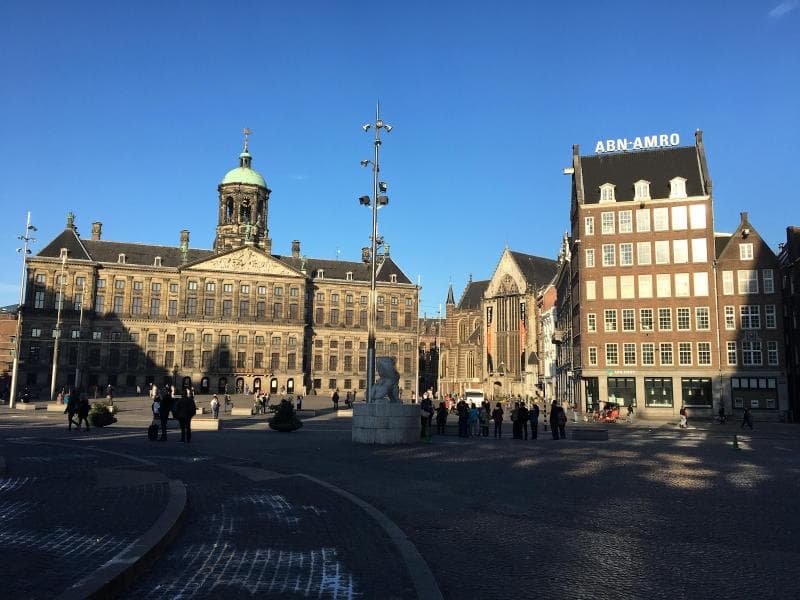
Explore the Royal Palace of Amsterdam on Dam Square, Netherlands. Discover its rich history as a city hall turned royal residence and stunning Dutch Golden Age architecture.
Overview
Standing proudly on the historic Dam Square in the heart of Amsterdam, the Royal Palace of Amsterdam, known locally as Paleis op de Dam, is an architectural marvel and a cornerstone of Dutch history. Initially conceived not as a royal residence but as the city's grand town hall during the Dutch Golden Age, it has evolved into one of the Netherlands' most significant national monuments. Today, it serves as His Majesty King Willem-Alexander's official reception palace, hosting state visits, award ceremonies, and other important royal functions. When not in use for official duties, this majestic building opens its doors to the public, offering a fascinating glimpse into its rich past and opulent interiors.
Its monumental facade and richly decorated halls reflect the immense power and wealth that Amsterdam commanded in the 17th century. Visitors can explore the impressive architecture and the stories embedded within its walls, experiencing a tangible connection to both civic pride and royal heritage.
History & Cultural Background
The story of the Royal Palace begins in 1648, a pivotal year that marked the end of the Eighty Years' War and the dawn of the Dutch Golden Age. With Amsterdam flourishing as a global trading hub, the city council commissioned architect Jacob van Campen to design a new, imposing city hall that would symbolize its newfound status and prosperity. The construction was a monumental undertaking, built upon 13,659 wooden piles driven deep into the marshy Amsterdam soil to ensure its stability.
Completed in 1655, the building served as Amsterdam's city hall for over 150 years. Its role dramatically shifted in 1808 when Louis Bonaparte, brother of Emperor Napoleon and King of Holland, transformed it into his Royal Palace. After Napoleon's fall, the building was temporarily returned to the city but eventually became available for royal use again at the request of King William I. It was officially designated state property in 1936, solidifying its place as one of the three palaces at the disposal of the Dutch monarch by Act of Parliament.
What Makes It Special
What truly sets the Royal Palace of Amsterdam apart is its dual identity and profound symbolism. Originally built as the largest secular building in 17th-century Europe, it was even considered by some as the 'eighth wonder of the world'. Its Dutch Classicist design, characterized by austere elegance and rationalism, was a deliberate statement of the Republic's values.
Inside, the palace reveals a world of splendor, contrasting with its somewhat reserved exterior. The grand Citizen's Hall (Burgerzaal) is particularly striking, with its massive marble floors featuring intricate inlaid maps of the Eastern and Western hemispheres. These maps vividly illustrate Amsterdam's central role in global trade during the Golden Age. The palace also houses one of the largest collections of Empire style furniture outside France, much of which was acquired by King Louis Bonaparte himself. This exquisite collection adds to the palace's unique charm and historical depth, offering a tangible link to a tumultuous period of European history.
Stories, Fun Facts & Local Details
- The Foundation of Amsterdam's Grandeur: The palace stands on an astonishing 13,659 wooden piles. A local anecdote helps remember this number: '1-365-9' for 'one year, 365 days, plus nine'.
- Atlas Bearing the World: On the palace's roof, a colossal statue of Atlas holds a celestial sphere, symbolizing Amsterdam's global reach and ambition. A matching statue is also found within the Civic Hall, serving as the model for the rooftop bronze. Legend has it that if Atlas were to drop his globe, Amsterdam would perish.
- The Night Watch's Close Shave: In 1715, Rembrandt's iconic painting 'The Night Watch' was brought to the city hall. However, it was too large for its intended spot between two doors in the Small Council Chamber, so sections were unceremoniously cut off to make it fit. The version seen today in the Rijksmuseum is therefore smaller than the original.
- Royal Separation: King Louis Bonaparte and his wife Hortense were known to have separate bedrooms located in the furthest corners of the palace, as far apart as possible.
- Distinguished Guests: The palace has hosted many prominent figures throughout history, including Winston Churchill, who stayed in one of its guest bedrooms in 1946.
Visitor Perspective
For the curious traveler, a visit to the Royal Palace Amsterdam offers an immersive journey through history and art. The palace is generally open to the public for most of the year, although it is advisable to check the official website for current opening hours and potential closures due to official royal events. A complimentary audio guide is provided, leading visitors through key rooms like the Citizen's Hall, Throne Room, and the Balcony Chamber, offering detailed historical context and stories.
A typical visit lasts between one and two hours, making it an ideal addition to a day spent exploring Dam Square and its surroundings. The palace is also well-equipped to accommodate visitors with disabilities, offering lifts, accessible restrooms, and wheelchairs. When planning your visit, remember that only small bags are permitted inside the palace, with larger items needing to be stored in a free cloakroom or external lockers. Exploring the Royal Palace provides a unique opportunity to walk through spaces where history was made and continues to unfold, leaving a lasting impression of Amsterdam's enduring legacy.
Coordinates: 4.8913114, 52.3731507
View on Google Maps💬 How Travelers Describe This Place
Based on community votes
Beautiful
623Interesting
545Unique
343Must See
302Photogenic
20
Traveler Stories
Discover memorable experiences shared by travelers who have visited this place.
No traveler stories yet.
Be the first traveler to share what made this place memorable.

Tour
By
Spot
Discover amazing places around the world. Your journey starts here.
Explore
© 2026 TourBySpot. All rights reserved.