Royal Mausoleum
Oslo, Norway
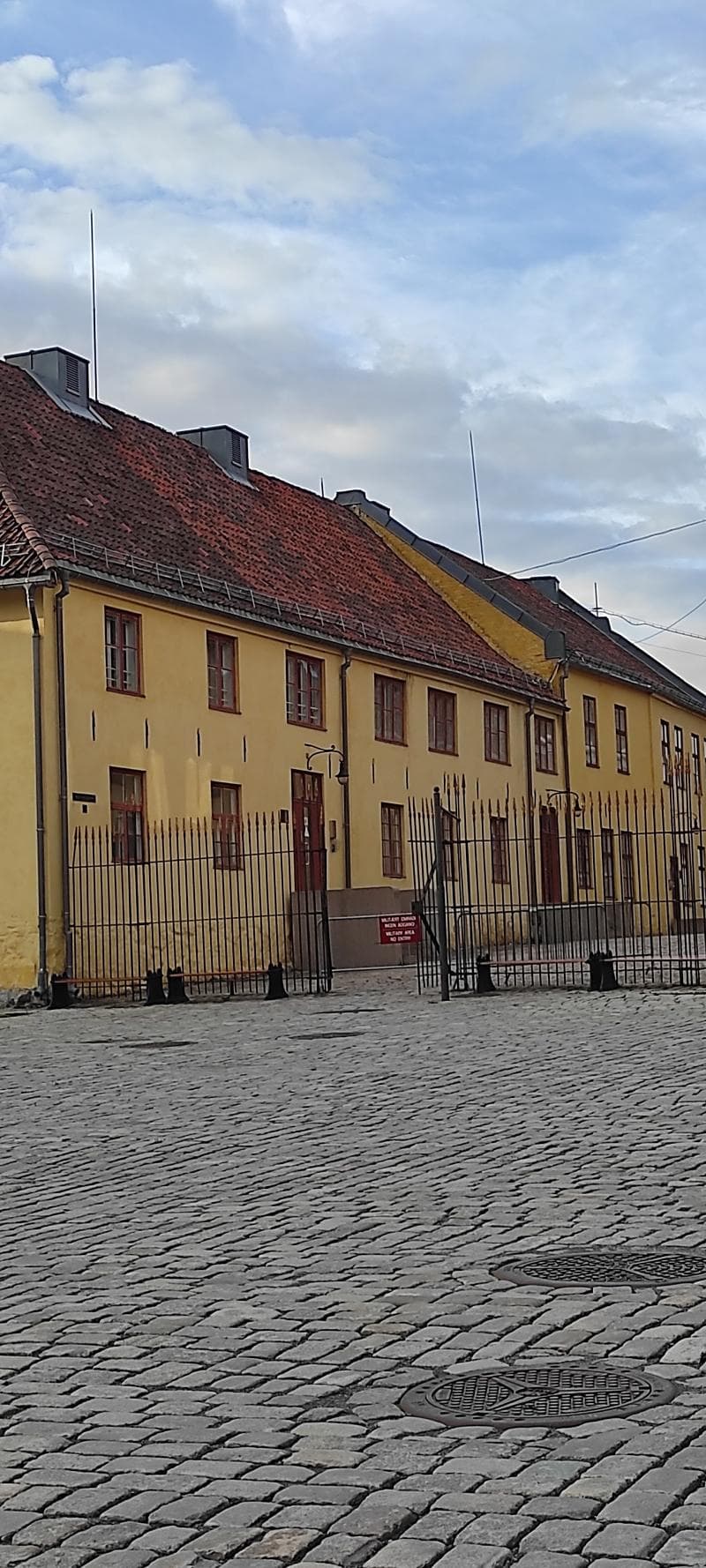
Discover the Royal Mausoleum within Akershus Fortress in Oslo, Norway, the solemn resting place of modern and ancient Norwegian royalty.
Overview
Tucked away within the historic walls of Akershus Fortress in Oslo, Norway, lies the Royal Mausoleum, a solemn and significant resting place for several members of the modern Norwegian royal family. This small, yet profoundly impactful, burial chapel was established in 1948 and serves as a poignant reminder of the nation's royal heritage and continuity. It is a place where centuries of Norwegian history converge, offering visitors a quiet space for reflection amidst the grandeur of the ancient fortress.
The Royal Mausoleum is an integral part of Akershus Castle, which itself has stood guard over Oslo's harbor since the late 13th century. While the fortress grounds are open daily to the public, accessing the interior of the castle, including the Royal Mausoleum, typically requires a ticket and is part of a guided experience.
History & Cultural Background
Akershus Fortress, where the Royal Mausoleum resides, boasts a rich history dating back to its construction around the late 1290s under King Haakon V. Initially built as a medieval castle and royal residence, its strategic location on the Akersneset peninsula was crucial for protecting Oslo. Over the centuries, it evolved into a formidable fortress and was later rebuilt into a Renaissance castle between 1637 and 1648.
For much of its history, Norwegian monarchs were often buried abroad due to unions with Denmark and/or Sweden, with burial sites found in places like Roskilde Cathedral in Denmark or Riddarholmen Church in Sweden. The establishment of the Royal Mausoleum in Akershus Castle in 1948 marked a significant moment, providing a dedicated, national resting place for Norway's re-established independent monarchy. Architect Arnstein Rynning Arneberg designed the chapel, creating a space of dignified remembrance.
What Makes It Special
What truly makes the Royal Mausoleum special is its role as the final resting place for Norway's most recent monarchs, symbolizing the unbroken line of the modern Norwegian royal house. It houses two prominent sarcophagi. In a white marble sarcophagus lie King Haakon VII (1872–1957) and his wife, Queen Maud (1869–1938). Beside them, a green sarcophagus contains King Olav V (1903–1991) and his wife, Crown Princess Märtha (1901–1954), who passed away before her husband ascended the throne.
Beyond these modern royals, the mausoleum also cradles the remains of much older figures who shaped Norway's early history. The remains of King Sigurd I (c. 1090–1130), King Haakon V (1270–1319) – the original builder of Akershus Fortress – and his wife Queen Euphemia (c. 1280–1312) were transferred from their original burial sites, such as St. Mary's Church and St. Hallvard's Cathedral, and now rest in crypts within the mausoleum's walls. This blend of ancient and modern royalty under one roof underscores a powerful connection to Norway's past and present.
Stories, Fun Facts & Local Details
The decision to create the Royal Mausoleum within Akershus Fortress reflects a conscious effort to root the monarchy deeply within Norwegian soil and history, especially after Norway regained its full independence in 1905. King Haakon VII, originally Prince Carl of Denmark, was elected King of Norway following the dissolution of the union with Sweden. His interment here alongside Queen Maud, a granddaughter of Queen Victoria of the United Kingdom, connects Norway's royal lineage to broader European royal houses.
The integration of the remains of medieval kings like Haakon V, the fortress's founder, into the modern mausoleum creates a powerful historical narrative. It emphasizes a continuity of royal presence in Oslo, even though many centuries passed with Norwegian monarchs buried abroad during periods of union with other Scandinavian kingdoms. The relatively small size of the mausoleum, noted by some visitors, adds to its intimate and contemplative atmosphere, distinguishing it from the grander, more ornate royal burial sites found elsewhere in Europe.
Visitor Perspective
For visitors to Akershus Fortress, the Royal Mausoleum offers a unique opportunity to connect with Norway's royal past in a profound way. Located within the Akershus Castle church, it forms part of the guided tour of the castle interior. While the fortress grounds are free to explore, entry into the castle and mausoleum requires a ticket, often integrated into the castle tour fee.
Walking through the quiet confines of the mausoleum, one can appreciate the solemnity and historical weight of the space. It is not an overtly opulent display, but rather a dignified tribute to those who have led the nation. Visitors can reflect on the lives and legacies of the monarchs interred here, gaining insight into the historical trajectory of Norway and the enduring significance of its royal family. The experience is typically peaceful, allowing for personal contemplation of history and heritage.
Coordinates: 10.73667, 59.90762
View on Google Maps💬 How Travelers Describe This Place
Based on community votes
Must See
950Beautiful
287Photogenic
255Unique
231Interesting
86
Traveler Stories
Discover memorable experiences shared by travelers who have visited this place.
No traveler stories yet.
Be the first traveler to share what made this place memorable.

Tour
By
Spot
Discover amazing places around the world. Your journey starts here.
Explore
© 2026 TourBySpot. All rights reserved.